
In today’s world, where water scarcity is becoming an increasingly pressing issue, the role of efficient irrigation systems cannot be overstated. These systems not only conserve water but also enhance agricultural productivity, making them crucial for sustainable farming practices. This article delves into the various types of irrigation systems, their benefits, and how they can be optimized for better results.
Understanding Different Types of Irrigation Systems
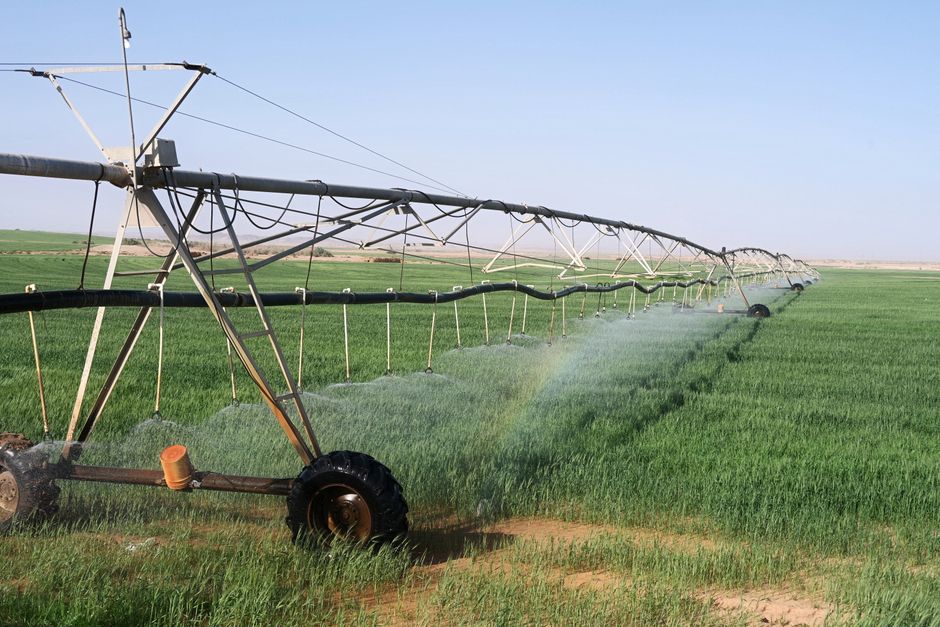
Irrigation systems can be broadly categorized into several types, each with its unique advantages and applications. The most common types include surface irrigation, drip irrigation, and sprinkler irrigation. Surface irrigation involves the direct application of water to the soil surface, allowing it to flow over the field by gravity. This method is simple and cost-effective but can lead to water wastage if not managed properly.
Drip irrigation, on the other hand, is a more advanced technique that delivers water directly to the plant roots through a network of tubing and emitters. This method significantly reduces water consumption and is ideal for high-value crops in arid regions. Sprinkler irrigation simulates rainfall by spraying water over crops through a system of pipes and pumps. It is versatile and can cover large areas, making it suitable for various agricultural practices.
Each type of irrigation system has its own set of requirements and efficiencies, thus understanding them is vital for farmers looking to improve their yield while conserving water resources. For instance, choosing the right irrigation system can lead to substantial savings on water bills and increase crop quality.
The Benefits of Efficient Irrigation
Implementing an efficient irrigation system offers numerous benefits. Firstly, it helps in conserving water, which is becoming an increasingly scarce resource globally. According to the Food and Agriculture Organization (FAO), agriculture accounts for about 70% of global freshwater withdrawals. By optimizing irrigation practices, farmers can significantly reduce their water usage.
Secondly, efficient irrigation systems can enhance crop yields. Studies have shown that crops irrigated through advanced systems like drip irrigation can yield up to 30-50% more than those using traditional methods. This is particularly important in regions facing food security challenges.
Moreover, these systems can improve soil health by preventing over-irrigation, which can lead to soil erosion and nutrient leaching. By applying the right amount of water at the right time, farmers can maintain soil moisture levels that promote healthy plant growth.
Technological Advances in Irrigation Systems
The evolution of technology has led to significant advancements in irrigation systems. Automation and smart irrigation technologies are at the forefront of this evolution. These systems utilize sensors and data analytics to optimize water usage based on real-time soil moisture levels and weather conditions.
For example, soil moisture sensors can provide data that helps farmers determine when and how much to irrigate, thereby minimizing water wastage. Additionally, GPS technology can aid in the precise application of water, ensuring that every plant receives the right amount of moisture.
Furthermore, the integration of renewable energy sources, such as solar-powered pumps, can make irrigation more sustainable and cost-effective. Farmers can harness solar energy to power their irrigation systems, reducing their reliance on fossil fuels and cutting down operational costs.
Best Practices for Implementing an Irrigation System
When implementing an irrigation system, it is crucial to follow best practices to maximize efficiency. First, conducting a thorough assessment of the land and crop requirements is essential. This includes understanding the soil type, crop water needs, and local climate conditions.
Secondly, regular maintenance of the irrigation system is vital to ensure its longevity and efficiency. This includes checking for leaks, clogs, and ensuring that all components are functioning correctly. Neglecting maintenance can lead to significant water loss and decreased system performance.
Lastly, educating farmers about the importance of irrigation management and water conservation techniques can foster a culture of sustainability in agriculture. Workshops and training programs can equip farmers with the knowledge they need to make informed decisions regarding their irrigation practices.
Conclusion
In conclusion, efficient irrigation systems play a critical role in modern agriculture. As water scarcity continues to pose a threat to food production, adopting advanced irrigation technologies and practices becomes essential. By understanding the different types of irrigation systems and their benefits, farmers can make informed choices that not only improve their crop yields but also contribute to sustainable water management. Investing in the right irrigation system is not just a smart business decision; it is a responsibility towards our environment and future generations.