
In recent years, the emergence of Bitcoin as a digital currency has revolutionized the landscape of investment. With its meteoric rise in value and the increasing acceptance of cryptocurrencies in mainstream finance, many investors are now considering Bitcoin as a viable option for diversifying their portfolios. However, the world of Bitcoin investment can be complex and daunting for newcomers. This article aims to unpack the intricacies of investing in Bitcoin, providing practical insights and strategies for both novice and seasoned investors.
The Fundamentals of Bitcoin
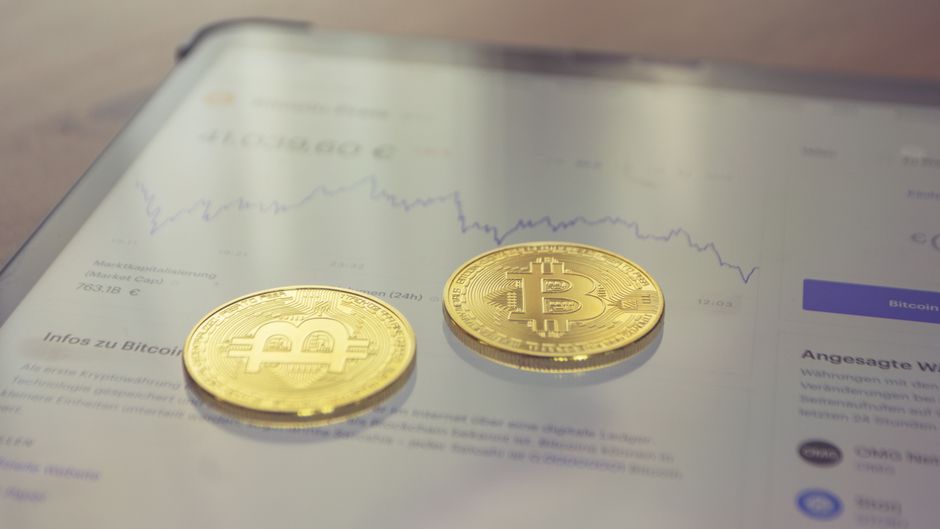
Before diving into the specifics of Bitcoin investment, it is essential to understand what Bitcoin is and how it operates. Created in 2009 by an anonymous entity known as Satoshi Nakamoto, Bitcoin is a decentralized digital currency that allows peer-to-peer transactions without the need for intermediaries like banks. Transactions are verified by network nodes through cryptography and recorded in a public distributed ledger called the blockchain.
The limited supply of Bitcoin, capped at 21 million coins, contributes to its scarcity and potential as an investment. As more people become aware of Bitcoin’s existence, demand increases, often leading to significant price fluctuations. Investors need to stay informed about these dynamics to make educated decisions.
Moreover, understanding the technology behind Bitcoin is crucial. The blockchain technology that underpins Bitcoin ensures security and transparency, making it resistant to fraud. However, potential investors must also be aware of the risks associated with this technology, such as the potential for hacks and regulatory changes.
Why Invest in Bitcoin?
Investing in Bitcoin offers several potential benefits that make it an attractive option for many. Firstly, Bitcoin is often viewed as a hedge against inflation. As central banks continue to print money, the value of fiat currencies may decline, whereas Bitcoin’s fixed supply may help preserve its value over time.
Secondly, Bitcoin has the potential for high returns. Historically, Bitcoin has exhibited significant price growth, with early investors seeing massive returns on their investment. For instance, in 2010, Bitcoin’s price was around $0.08, and by late 2021, it had surged to nearly $64,000, highlighting its potential as a lucrative investment.
Additionally, Bitcoin is becoming increasingly accepted by businesses and institutions, further legitimizing its status as a form of investment. Companies like Tesla and Square have invested in Bitcoin, and PayPal now allows users to buy, sell, and hold Bitcoin, indicating a growing acceptance of cryptocurrency in the financial ecosystem.
Strategies for Investing in Bitcoin
Investing in Bitcoin requires carefully considered strategies to mitigate risks and maximize potential returns. One common approach is dollar-cost averaging (DCA), where investors purchase a fixed dollar amount of Bitcoin at regular intervals, regardless of its price. This strategy can help reduce the impact of market volatility.
Another strategy is to set clear investment goals and stick to them. Investors should determine their risk tolerance and time horizon before entering the market. For example, if an investor aims for short-term gains, they may need to be more active in monitoring market trends and news.
Moreover, diversifying one’s investment portfolio is crucial. While Bitcoin can be a significant component of an investment strategy, it is essential not to put all funds into one asset. Including a mix of traditional assets and other cryptocurrencies can help balance risk and reward.
Risks and Challenges of Bitcoin Investment
Despite its potential rewards, Bitcoin investment is not without risks. One of the primary concerns is market volatility. Bitcoin’s price can swing dramatically within short periods, leading to potential losses for investors who are not prepared for such fluctuations.
Additionally, regulatory uncertainty poses a challenge. Governments worldwide are still figuring out how to regulate cryptocurrencies, and changes in regulations can significantly impact Bitcoin’s value. Investors need to stay informed about legal developments and potential regulations that could affect their investments.
Security is another crucial factor to consider. While the blockchain technology behind Bitcoin is secure, investors must take precautions to protect their holdings from hacks and theft. Using reputable wallets and exchanges and enabling two-factor authentication can help safeguard investments.
Conclusion
In conclusion, Bitcoin investment offers a unique opportunity for individuals seeking to diversify their portfolios and potentially achieve significant returns. However, it is essential to approach this investment with a solid understanding of the underlying technology, market dynamics, and associated risks. By employing sound investment strategies and remaining informed, investors can navigate the complexities of Bitcoin investment successfully. For those looking to delve deeper into this subject, resources like bitcoin investment can provide valuable insights and guidance.