
Home improvement is not just about enhancing the aesthetic appeal of your space; it also involves increasing functionality and value. Whether you are planning a major renovation or just a few minor upgrades, understanding the basics of home improvement can help you create a space that truly feels like home. In this article, we will explore essential tips, popular trends, and practical advice to enhance your living environment.
Understanding Your Home’s Needs
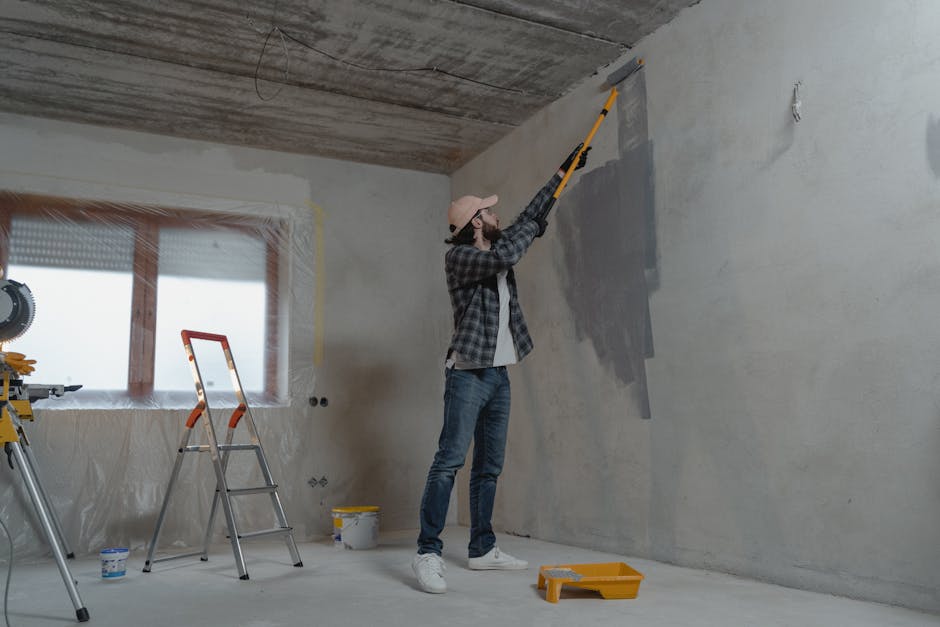
Before diving into any home improvement project, it’s crucial to assess what your home truly needs. Start by examining your space and identifying areas that require attention. Are the walls peeling? Is there insufficient storage? By creating a list of priorities, you can develop a focused approach to your renovations.
For instance, if you find that your kitchen feels cramped, consider ways to optimize the layout. This could involve removing non-load-bearing walls to create an open floor plan or adding shelves to utilize vertical space more effectively. Homeowners often underestimate the potential of their existing spaces, making it essential to explore options thoroughly.
Choosing the Right Materials
When it comes to home improvement, the materials you choose can make a significant difference in both aesthetics and durability. Selecting high-quality materials may require a larger upfront investment, but it often pays off in the long run. For example, using hardwood flooring instead of laminate can enhance the value of your home and provide lasting beauty.
Additionally, consider sustainable materials that not only look good but are also eco-friendly. Bamboo flooring, reclaimed wood, and recycled glass tiles are excellent options that contribute to a greener home. Homeowners are increasingly opting for such materials, as they align with modern sustainability trends.
Popular Trends in Home Improvement
The world of home improvement is constantly evolving, with new trends emerging each year. Currently, open-concept living spaces, multifunctional furniture, and smart home technology are at the forefront. Homeowners are looking for ways to create spaces that not only look good but also serve multiple purposes.
For example, a kitchen island can function as both a cooking space and a dining area, making it an essential feature in many modern homes. Similarly, smart home technology, such as programmable thermostats and security systems, allows homeowners to enhance convenience while increasing energy efficiency.
Budgeting for Your Home Improvement Project
One of the most critical aspects of home improvement is budgeting. Without a clear budget, it’s easy to overspend and derail your project. Begin by estimating the costs associated with your desired renovations, including materials, labor, and unexpected expenses.
Consider setting aside a contingency fund, typically around 10-20% of your total budget, to account for unforeseen costs that may arise during the renovation process. This preparation can help you stay on track financially and avoid the stress of unexpected expenses.
Finding Inspiration and Resources
Inspiration for home improvement can come from various sources, including home improvement shows, magazines, and online platforms. Websites like Pinterest and Houzz are valuable resources for discovering new ideas and trends. They offer countless images and articles to help you visualize your project.
Moreover, don’t hesitate to seek advice from professionals. Hiring an interior designer or a contractor can provide you with insights and expertise that can elevate your project. For those interested in design and style, following a fashion blog can also inspire creative ideas for merging style with functionality in your home improvements.
Conclusion
Home improvement is an exciting journey that can transform your living space into a more functional, beautiful, and valuable asset. By understanding your home’s needs, choosing the right materials, staying updated on trends, budgeting effectively, and seeking inspiration, you can embark on successful projects that enhance your quality of life. Remember, every improvement, no matter how small, contributes to creating a home that reflects your personal style and meets your needs.