
Chemical peel treatments have gained immense popularity in recent years, especially among individuals seeking to rejuvenate their skin. These treatments, which involve the application of chemical solutions to exfoliate the skin, can significantly improve various skin concerns, including acne scars, sun damage, and uneven skin tone. As more people become aware of their benefits, understanding the different types of chemical peels and their applications is essential for making informed decisions about skin care.
What is a Chemical Peel?
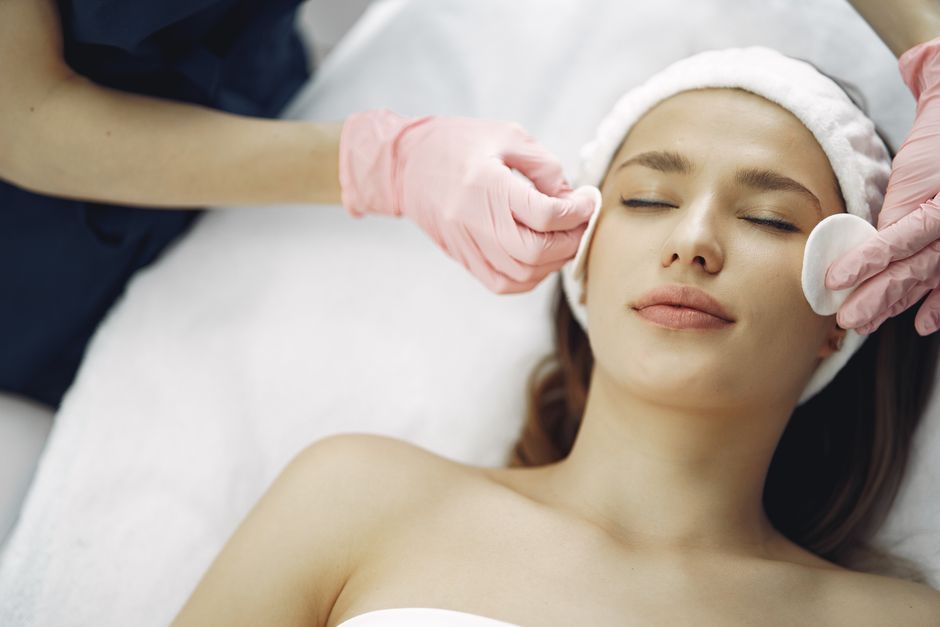
A chemical peel is a cosmetic procedure that uses a chemical solution to remove dead skin cells, promoting the growth of new, healthier skin. There are three main types of chemical peels: superficial, medium, and deep. Superficial peels use mild acids like alpha hydroxy acids (AHAs) to gently exfoliate the outer layer of skin. Medium peels penetrate deeper, often using trichloroacetic acid (TCA) to address more severe skin issues. Deep peels, on the other hand, utilize phenol for significant skin resurfacing, but they require more downtime for recovery.
The choice of peel depends on the individual’s skin type, the specific skin concerns they wish to address, and the desired outcome. Consulting with a qualified dermatologist is crucial to determine which type of chemical peel is most suitable for each individual.
Benefits of Chemical Peels
Chemical peels offer numerous benefits, making them a favored choice for skin rejuvenation. One of the most significant advantages is their ability to enhance skin texture and tone. Regular treatments can help to reduce the appearance of fine lines, wrinkles, and uneven pigmentation caused by sun exposure or aging.
Additionally, chemical peels can effectively treat acne, reduce scarring, and minimize the size of pores. According to a study published in the Journal of Clinical and Aesthetic Dermatology, patients who underwent chemical peels reported a 50% improvement in acne scars after a series of treatments.
Moreover, chemical peels can boost the efficacy of other skin care products, allowing them to penetrate deeper and work more effectively. This aspect is particularly beneficial for individuals looking to enhance their overall skincare routine.
Preparing for a Chemical Peel
Preparation is key to achieving the best results from a chemical peel. Before undergoing the procedure, it is advisable to avoid sun exposure, use sun protection, and refrain from using certain skin care products, such as retinoids or exfoliants, for at least one week prior to the treatment. These precautions help to minimize the risk of complications and enhance the effectiveness of the peel.
During the consultation with a dermatologist, patients should discuss their medical history, including any skin conditions or allergies. This information will help the doctor tailor the treatment plan to meet the patient’s specific needs.
What to Expect After a Chemical Peel
Post-treatment care is crucial for ensuring optimal results after a chemical peel. After the procedure, patients may experience redness, peeling, and sensitivity in the treated area. The extent of these effects will depend on the depth of the peel. Superficial peels typically have minimal downtime, while deep peels may require several weeks for complete healing.
Patients are advised to keep the skin moisturized and to avoid direct sun exposure during the healing process. It is essential to follow the dermatologist’s aftercare instructions closely to achieve the desired results and reduce the risk of complications.
Conclusion
Chemical peel treatments offer a range of benefits for those looking to improve their skin’s appearance and texture. By understanding the different types of peels, their advantages, and the necessary preparations, individuals can make informed decisions about their skin care. For those considering a chemical peel, consulting with a qualified professional is the best way to ensure a safe and effective treatment experience. Remember, the journey to healthier skin begins with the right information and professional guidance.
For more information on chemical peel treatment, consult your dermatologist or healthcare provider.