
The construction industry is undergoing a significant transformation driven by technological advancements, changing consumer preferences, and sustainable practices. As we move further into the 21st century, it is essential for stakeholders within this sector to stay informed about emerging trends and innovations that are reshaping how construction projects are conceived and executed. This article explores the most notable trends in the construction industry and their implications for the future.
1. Embracing Technology
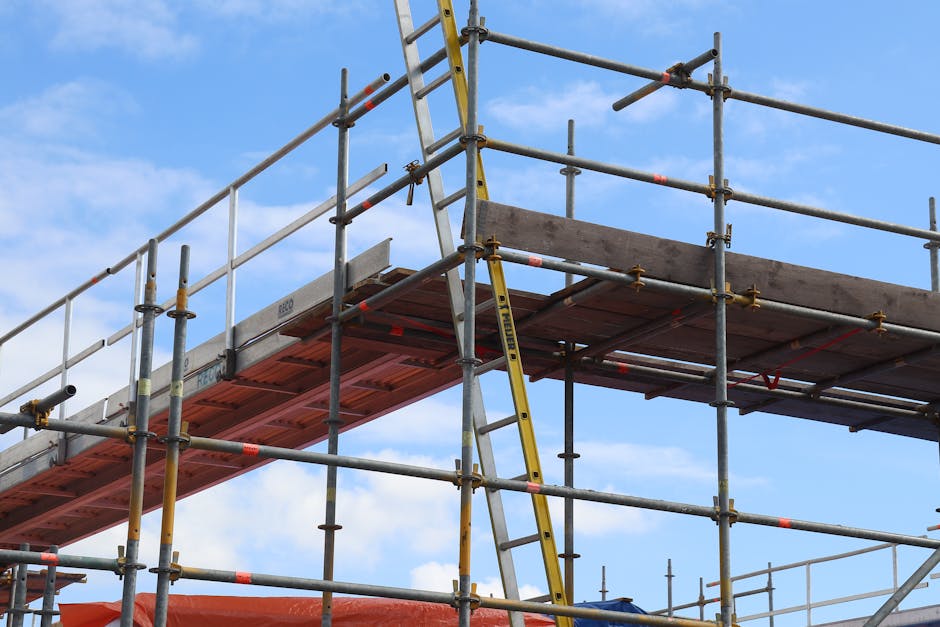
One of the most critical developments in the construction industry is the integration of technology. From Building Information Modeling (BIM) to drones and 3D printing, technology is revolutionizing how projects are planned and executed. BIM allows for detailed digital representations of buildings, enabling better collaboration among architects, engineers, and contractors. Drones are being used for site surveys and inspections, significantly reducing the time and labor required for these tasks.
Furthermore, the advent of 3D printing in construction is a game changer. This technology allows for the rapid production of building components, reducing waste and costs. According to a report by the McKinsey Global Institute, 3D printing could reduce construction costs by as much as 40% and time by 70%. These advancements not only enhance efficiency but also drive sustainability efforts by minimizing material waste.
As projects become more complex, the need for integrated technologies grows. For instance, the use of augmented reality (AR) and virtual reality (VR) is becoming more prevalent, allowing stakeholders to visualize projects before they are built. This leads to better decision-making and fewer costly changes during the construction phase.
2. Sustainable Construction Practices
As environmental concerns continue to rise, sustainability has become a central focus in the construction industry. Green building practices are no longer optional; they are essential. Many governments and organizations are implementing strict regulations to promote sustainable construction practices, which include the use of environmentally friendly materials and energy-efficient designs.
A notable example of sustainable construction is the use of recycled materials. According to the U.S. Green Building Council, buildings that incorporate recycled materials can significantly reduce their carbon footprint. Additionally, innovative insulation materials are being developed that not only reduce energy consumption but also enhance the overall durability of buildings.
The concept of circular economy is also gaining traction in the construction industry. This approach emphasizes the importance of reusing and recycling materials rather than following a linear model of consumption. By adopting these sustainable practices, the construction industry can contribute to a healthier planet and create long-term cost savings for developers and owners.
3. Workforce Development and Training
As technology evolves, so does the skill set required for workers in the construction industry. The demand for skilled labor is at an all-time high, leading to a significant skills gap that needs to be addressed. Organizations are investing in workforce development programs to ensure that employees are equipped with the necessary skills to adapt to new technologies.
Training programs that focus on technology use, safety protocols, and sustainable practices are essential for maintaining a competitive edge. For instance, the National Center for Construction Education and Research (NCCER) offers various certifications that help workers gain the skills needed in today’s construction landscape. By providing ongoing education and training, companies can not only improve productivity but also enhance employee satisfaction and retention.
Moreover, attracting younger generations to the construction workforce is a challenge that requires innovative solutions. Engaging high school students through internships or partnerships with vocational schools can help build interest in construction careers. Such initiatives are crucial for ensuring a robust workforce that can meet the demands of future construction projects.
4. The Rise of Modular Construction
Modular construction is quickly gaining popularity as a viable alternative to traditional building methods. This approach involves prefabricating building sections in a factory setting, which are then transported and assembled on-site. Modular construction can significantly reduce construction time and costs while maintaining quality and safety standards.
According to a report by Market Research Future, the modular construction market is expected to grow at a compound annual growth rate (CAGR) of over 6% from 2020 to 2027. This growth is driven by various factors, including the need for faster construction timelines and cost efficiency. Additionally, modular construction is often more sustainable, as it generates less waste and allows for better resource management.
As urban areas continue to expand and the demand for affordable housing increases, modular construction offers a practical solution. It allows for the rapid deployment of housing units, schools, and healthcare facilities, addressing critical needs in communities worldwide.
5. The Importance of Collaboration
Collaboration is becoming increasingly vital in the construction industry as projects grow in complexity. Stakeholders, including architects, engineers, contractors, and clients, must work together seamlessly to ensure project success. Effective communication and collaboration can lead to better outcomes, reduced delays, and lower costs.
Tools that facilitate collaboration, such as project management software and communication platforms, are essential in this regard. These tools help teams stay on the same page, share updates, and manage tasks efficiently. For instance, platforms like Procore and Autodesk Construction Cloud provide integrated solutions that enhance collaboration and streamline workflows.
Furthermore, fostering a collaborative culture within organizations can lead to increased innovation and problem-solving. When team members feel empowered to share ideas and solutions, it can result in more creative approaches to challenges faced in construction projects.
Conclusion
The construction industry is at a pivotal moment, with emerging trends and innovations reshaping how projects are designed, executed, and maintained. As technology continues to advance and sustainability becomes a priority, stakeholders must adapt to these changes to remain competitive. By embracing technology, investing in workforce development, and fostering collaboration, the construction industry can navigate the challenges ahead and build a more efficient and sustainable future.
As part of this evolution, connecting with others in the field can be invaluable. For those looking to expand their networks, participating in a construction network charlotte nc can provide opportunities for collaboration and knowledge sharing, essential for thriving in today’s dynamic construction landscape.