
Aviation insurance is a specialized form of insurance designed to cover the unique risks associated with flying and aircraft operations. In a world where air travel is increasing exponentially, the importance of understanding aviation insurance cannot be overstated. This article delves into the intricacies of aviation insurance, exploring its types, coverage options, and the factors influencing premiums.
What is Aviation Insurance?
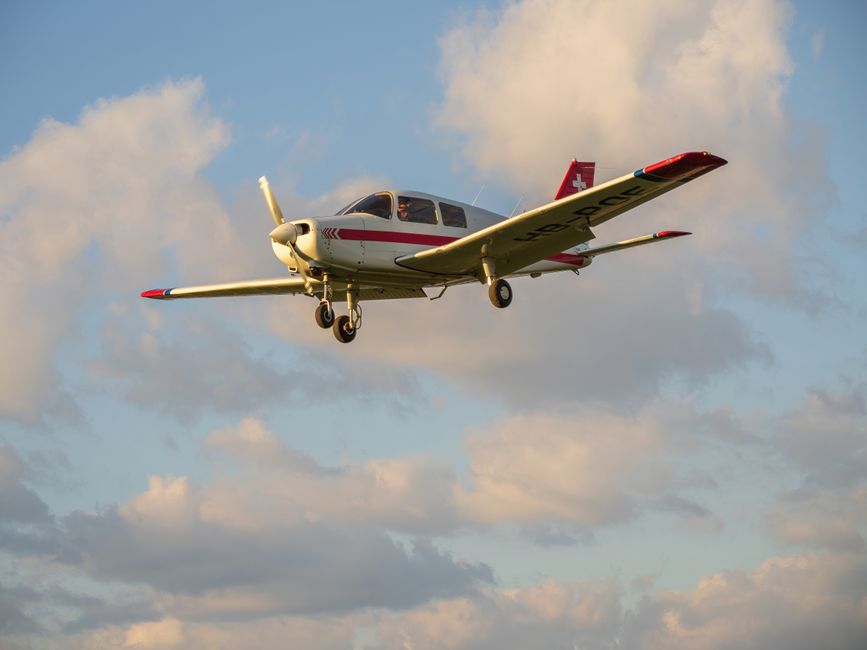
Aviation insurance is tailored to meet the needs of aircraft owners, operators, and passengers by providing protection against various risks. Unlike standard property insurance, aviation insurance covers specific liabilities and damages related to aircraft operations. It encompasses a broad range of coverage options, including liability for physical damage to the aircraft, third-party liability, and passenger liability.
For instance, in the event of an accident, aviation insurance can cover damages to the aircraft itself as well as any injuries sustained by passengers or third parties. This makes it a crucial investment for anyone involved in aviation, whether they are commercial airlines, private pilots, or flight schools.
Types of Aviation Insurance
There are primarily two types of aviation insurance: hull insurance and liability insurance. Hull insurance covers physical damage to the aircraft itself, while liability insurance protects against claims made by third parties for damages or injuries resulting from aircraft operations.
Additionally, aviation insurance can also include coverage for specific scenarios such as ground operations, flight training, and even non-owned aircraft liability. This comprehensive range of options allows policyholders to customize their coverage based on their unique needs and operations.
Factors Influencing Aviation Insurance Premiums
The cost of aviation insurance premiums can vary widely based on several factors. Key considerations include the type of aircraft, its usage, the experience of the pilots, and the geographical location of operations. For example, a commercial airline operating internationally may face higher premiums compared to a private pilot flying a small aircraft locally.
Moreover, the safety record of the operator and the aircraft also plays a significant role in determining premiums. Insurers often assess past claims history and overall risk profile before setting rates. As a result, maintaining a good safety record can lead to more favorable insurance terms.
Importance of Aviation Insurance for Businesses
For businesses involved in aviation, having adequate insurance coverage is not just a legal requirement; it’s a critical component of risk management. In the event of an accident, the financial repercussions can be devastating. Aviation insurance provides a safety net that allows businesses to operate with greater confidence.
For example, a charter flight company must ensure that it has sufficient liability coverage to protect against potential claims from passengers. Without proper insurance, a single incident could jeopardize the entire operation, leading to significant financial loss.
Choosing the Right Aviation Insurance Policy
When selecting an aviation insurance policy, it is essential to work with a knowledgeable broker who specializes in aviation. These professionals can help identify the specific needs of the operator and recommend appropriate coverage options. Additionally, it is crucial to read the policy details carefully to understand the exclusions and limitations.
A prudent approach is to compare multiple quotes from different insurers to ensure that you are getting the best coverage at a competitive rate. A well-structured aviation insurance policy not only protects against financial loss but also ensures compliance with regulatory requirements.
For those looking to explore options for aviation insurance, it is advisable to consult with experts who can provide tailored recommendations based on specific operational needs.
Conclusion
Aviation insurance is a vital aspect of the aviation industry, safeguarding against the myriad risks associated with flying. Understanding the various types of coverage, the factors influencing premiums, and the importance of adequate protection is essential for anyone involved in aviation. As the industry continues to evolve, staying informed about aviation insurance will empower operators and businesses to navigate challenges effectively and ensure safety in the skies.