
In the fast-paced world of dining, the role of technology has never been more critical. Restaurant owners are constantly seeking ways to enhance customer experiences and streamline operations. One of the most significant advancements in recent years is the adoption of Point of Sale (POS) systems. These systems not only facilitate transactions but also provide valuable insights into business performance. As the restaurant industry evolves, understanding the importance of a robust POS system becomes essential for success.
Understanding POS Systems
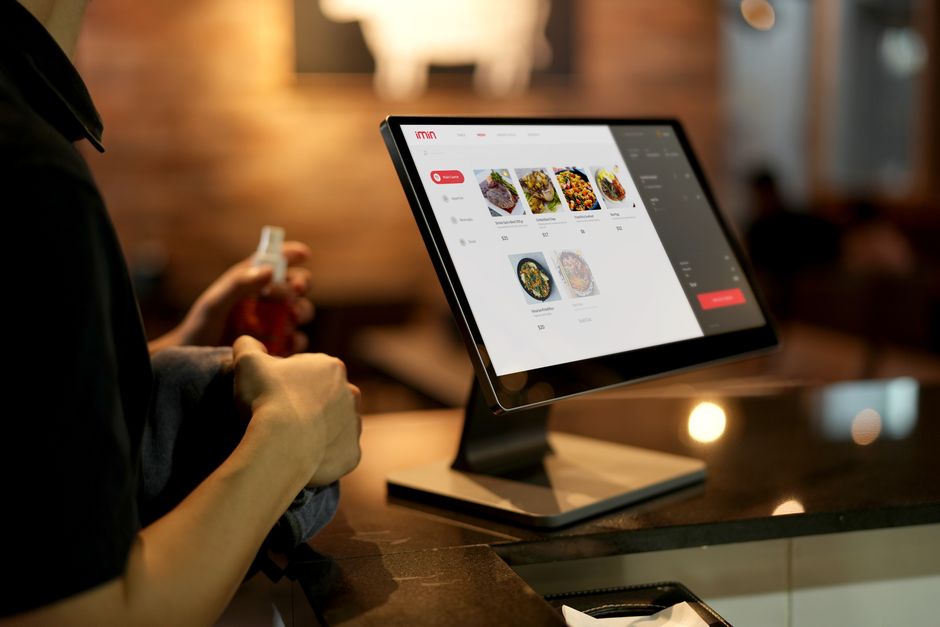
A Point of Sale system is a combination of hardware and software that allows businesses to process transactions. In a restaurant setting, a POS system typically includes a terminal, a cash drawer, a receipt printer, and sometimes even mobile devices for tableside ordering. These systems are designed to simplify the payment process and manage various aspects of restaurant operations.
Modern POS systems go beyond just handling payments. They can track inventory, manage staff schedules, and provide detailed sales reports. This level of integration helps restaurant owners make informed decisions based on real-time data, ultimately improving efficiency and profitability.
The Benefits of Implementing a Restaurant POS System
One of the primary advantages of a restaurant POS system is its ability to streamline operations. With a centralized platform, staff can quickly input orders, process payments, and manage inventory. This efficiency can significantly reduce wait times for customers, enhancing their overall dining experience. According to a recent study, restaurants that implemented advanced POS systems reported a 20% increase in customer satisfaction.
Moreover, these systems offer valuable analytics that help restaurant owners understand their business better. By analyzing sales trends and customer preferences, owners can adjust their menus, optimize pricing, and make data-driven marketing decisions. For instance, if a particular dish consistently sells well, a restaurant can highlight it in promotions or consider offering similar items.
Choosing the Right POS System for Your Restaurant
When selecting a POS system for your restaurant, it’s crucial to consider several factors. First, assess your specific needs. Are you a small café or a large fine-dining establishment? Different types of restaurants may require varying functionalities from their POS systems.
Additionally, look for systems that offer scalability. As your restaurant grows, your POS should be able to adapt to increased volume and complexity. Features such as online ordering integration, loyalty programs, and employee management capabilities can also be beneficial.
Lastly, ensure that the system is user-friendly. Training staff on a complicated interface can be time-consuming and counterproductive. A POS system should empower your team to serve customers efficiently rather than hinder their performance.
Cost Considerations and ROI
Investing in a restaurant POS system does come with costs, but the potential return on investment (ROI) can be substantial. Costs typically include hardware, software licenses, and possibly transaction fees. However, the efficiencies gained through faster service, reduced errors, and improved inventory management can quickly offset these initial expenses.
Data shows that restaurants that utilize a POS system can see an increase in revenue of up to 15% within the first year of implementation. This statistic highlights the importance of viewing a POS system as an investment rather than just an expense. The long-term benefits, such as enhanced customer loyalty and operational efficiency, contribute to sustained profitability.
Future Trends in Restaurant POS Technology
The landscape of restaurant POS systems is continually evolving. One emerging trend is the integration of artificial intelligence (AI) and machine learning. These technologies can analyze customer data to predict trends and personalize marketing efforts. For example, AI can suggest menu items based on past customer preferences, increasing the likelihood of additional sales.
Furthermore, contactless payment options have gained popularity, especially in the wake of the COVID-19 pandemic. Consumers increasingly prefer touchless transactions, prompting many restaurants to adopt systems that support digital wallets and QR code payments.
Lastly, the rise of cloud-based POS systems offers restaurants greater flexibility and accessibility. Owners can access their data remotely, allowing for real-time decision-making regardless of location.
Conclusion
In conclusion, a modern POS system is an invaluable asset for any restaurant looking to thrive in today’s competitive market. From enhancing customer experiences to providing critical business insights, the benefits are clear. As technology continues to advance, staying informed about the latest POS innovations will be crucial for restaurant owners. By embracing these systems, businesses can not only improve their operations but also set themselves up for long-term success in the ever-evolving dining landscape. For those considering a robust solution, exploring options like a restaurant POS system can be a significant step forward.