
In the ever-evolving landscape of agriculture, crop insurance has emerged as a crucial safety net for farmers. This financial tool is designed to protect farmers against losses caused by unforeseen events such as natural disasters, pests, and diseases. With the increasing unpredictability of climate patterns and market fluctuations, understanding the significance of crop insurance is more important than ever.
The Basics of Crop Insurance
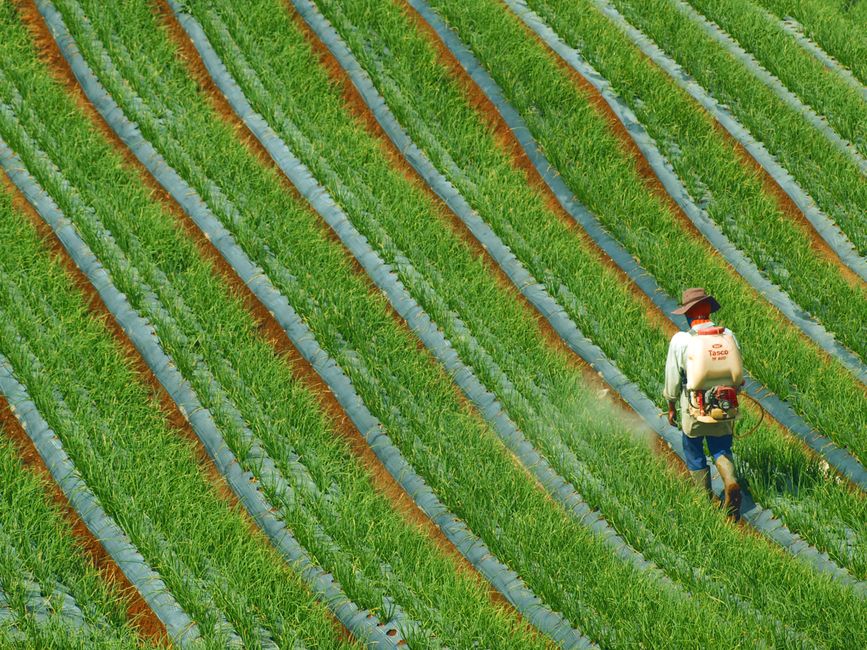
Crop insurance is essentially a risk management tool that provides farmers with coverage against the loss of their crops. It typically comes in two main forms: yield-based insurance and revenue-based insurance. Yield-based insurance protects against a decrease in the quantity of the crop produced, while revenue-based insurance covers losses in income due to both yield loss and price fluctuations.
Farmers can choose from various policies depending on their specific needs and the crops they cultivate. Understanding the different types of policies available and their coverage limits can help farmers make informed decisions about their insurance options.
Moreover, crop insurance is often subsidized by the government, making it more affordable for farmers. This means that not only does it provide a safety net, but it also encourages farmers to invest in this critical resource.
Why Crop Insurance Matters
The importance of crop insurance cannot be overstated. According to the United States Department of Agriculture (USDA), crop insurance has become the primary risk management tool for farmers across the nation. In 2021 alone, over 1.2 million policies were sold, covering approximately 300 million acres of farmland.
One of the key benefits of crop insurance is its ability to stabilize farmers’ income. When faced with a natural disaster, such as a drought or flood, farmers without insurance may find themselves in dire financial situations. In contrast, those with coverage can recover more quickly and continue their operations.
Additionally, crop insurance allows farmers to take calculated risks. With the assurance of coverage, farmers may be more inclined to invest in new technologies or practices that can enhance productivity, ultimately benefiting the agricultural sector as a whole.
Challenges in Crop Insurance
Despite its many advantages, crop insurance is not without challenges. One significant issue is the complexity of the policies. Many farmers, particularly those who are new to the industry, may struggle to navigate the various options and understand the terms of their coverage.
Furthermore, there can be gaps in coverage that leave certain risks unaddressed. For instance, while crop insurance may cover losses from natural disasters, it might not cover losses due to market fluctuations. This can leave farmers vulnerable, particularly in volatile markets.
To address these challenges, it is crucial for farmers to seek guidance from agricultural professionals or insurance agents who can help them choose the right policies and ensure comprehensive coverage.
The Future of Crop Insurance
Looking ahead, the future of crop insurance appears promising, especially with advancements in technology. Innovations such as satellite imagery and data analytics are making it easier to assess crop health and predict potential risks.
Moreover, as climate change continues to impact agricultural practices, crop insurance will likely evolve to meet the changing needs of farmers. New policies may be developed to cover emerging risks, ensuring that farmers remain protected in an unpredictable environment.
Additionally, increased awareness and education about crop insurance can lead to greater participation among farmers, ultimately strengthening the agricultural sector.
Conclusion
In conclusion, crop insurance is an essential component of modern farming. It provides a crucial safety net for farmers, enabling them to manage risks and stabilize their income. As the agricultural landscape continues to change, it is vital for farmers to understand their options and take advantage of the protections offered by crop insurance. By doing so, they can ensure their long-term sustainability and contribute to a resilient food system. For more information on available policies and resources, farmers can explore various platforms that provide insights into crop insurance.