
The luxury fashion industry has always been a beacon of exclusivity, craftsmanship, and social status. However, the emergence of luxury brand resellers has shifted the dynamics of this industry, creating new opportunities and challenges for both consumers and brands. This article explores the rise of luxury brand resellers, their impact on the market, and what it means for the future of luxury fashion.
Understanding Luxury Brand Reselling
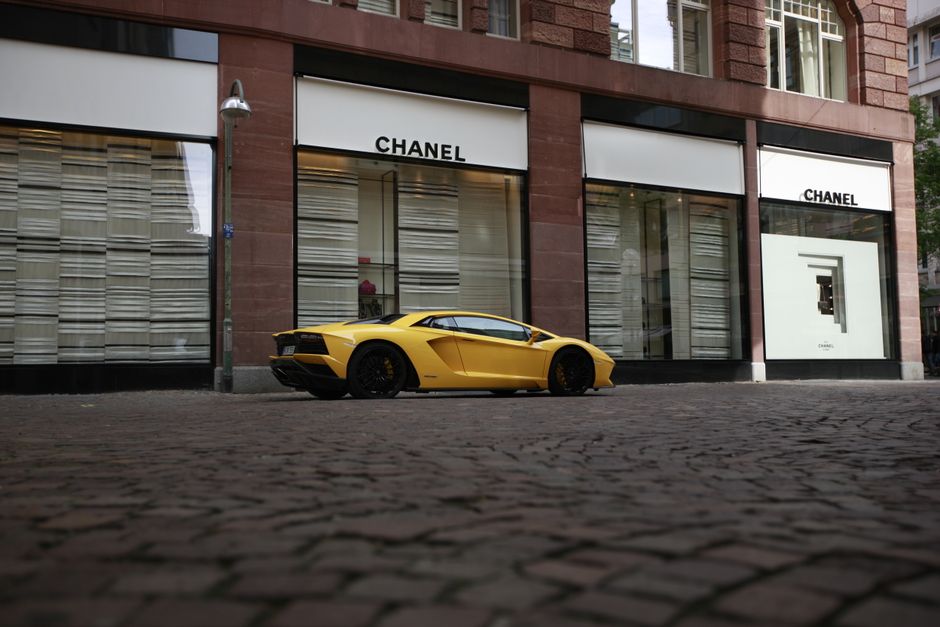
Luxury brand reselling refers to the practice of selling pre-owned or vintage luxury items, often through online platforms or brick-and-mortar stores. These resellers carefully curate collections of high-end products—from designer handbags to rare sneakers—allowing consumers to access luxury goods at a more affordable price point. This practice not only provides an alternative shopping option for consumers but also contributes to sustainability in fashion by extending the lifecycle of luxury items.
According to a recent report by Bain & Company, the global resale market for pre-owned luxury goods is projected to reach $64 billion by 2024, growing at a rate of 15-20% annually. This growth can be attributed to a variety of factors, including the increasing popularity of sustainable fashion and the desire for unique, one-of-a-kind pieces.
The Benefits of Purchasing from Resellers
One of the primary advantages of buying from a luxury brand reseller is the potential for significant cost savings. Many luxury items depreciate in value after their initial purchase, allowing consumers to find high-quality pieces at a fraction of their retail price. For example, a designer handbag that originally sold for $2,500 might be available for $1,500 or less on a reseller platform.
Moreover, resellers often provide authentication services to ensure that the items they sell are genuine. This added layer of security can help buyers feel more confident in their purchases, as counterfeiting is a prevalent issue in the luxury goods market. As a result, consumers are increasingly turning to reputable resellers to make informed and secure purchases.
The Role of Technology in Reselling
Technology has played a crucial role in the growth of the luxury brand reseller market. Online platforms, mobile applications, and social media have made it easier than ever for consumers to browse and buy pre-owned luxury items. Websites like The RealReal and Vestiaire Collective have gained popularity by offering user-friendly interfaces, extensive product selections, and community-driven features that foster trust among buyers and sellers.
Additionally, technologies such as artificial intelligence and blockchain are being integrated into resale platforms to enhance the authentication process. AI can analyze images and product descriptions to identify potential counterfeits, while blockchain technology can provide a secure, tamper-proof record of an item’s provenance, ensuring buyers that they are purchasing authentic luxury goods.
Challenges Faced by Luxury Brands
Despite the benefits of luxury brand reselling, traditional luxury brands face challenges due to this growing trend. One of the main concerns is the potential devaluation of their products. When consumers can purchase pre-owned luxury items at a lower price, it may diminish the perceived value of new products, affecting brand prestige.
Furthermore, luxury brands must navigate the complexities of resale channels. Some brands have responded by implementing official resale programs, allowing them to maintain control over the resale of their products. For instance, brands like Gucci and Burberry have launched initiatives that encourage consumers to return used items for resale, promoting sustainability while maintaining brand integrity.
Future Trends in Luxury Reselling
As the luxury resale market continues to evolve, several trends are likely to shape its future. First, the demand for transparency and sustainability will only increase, prompting more brands to engage in ethical practices. Consumers are becoming more conscious of their purchasing decisions, favoring brands that prioritize sustainability and social responsibility.
Additionally, the integration of technology in the resale process will continue to advance, making it easier for consumers to authenticate items and shop confidently. As the lines between new and pre-owned luxury goods blur, we may also see a shift in consumer attitudes, with pre-owned items becoming more accepted and desirable.
Conclusion
The rise of luxury brand resellers has transformed the landscape of the fashion industry, offering consumers more choices and promoting sustainability. As the market continues to grow, both consumers and brands must adapt to the changing dynamics. By understanding the benefits and challenges of luxury reselling, stakeholders can navigate this new era in fashion effectively. Whether you’re a savvy shopper looking for a deal or a brand seeking to maintain your prestige, the luxury resale market presents opportunities for all.
For those interested in exploring this burgeoning market, consider connecting with a reputable luxury brand reseller to discover unique pieces that align with your style and values.