
Organic farming has gained immense popularity in recent years, as consumers become more conscious of the food they eat and its impact on the environment. This shift has led to a growing demand for organic products, and as a result, many farmers are transitioning to organic practices. However, successful organic farming requires not just passion but also the right supplies. In this article, we will delve into the essential supplies needed for organic farming and how they can optimize your farming practices.
Understanding Organic Farming Supplies
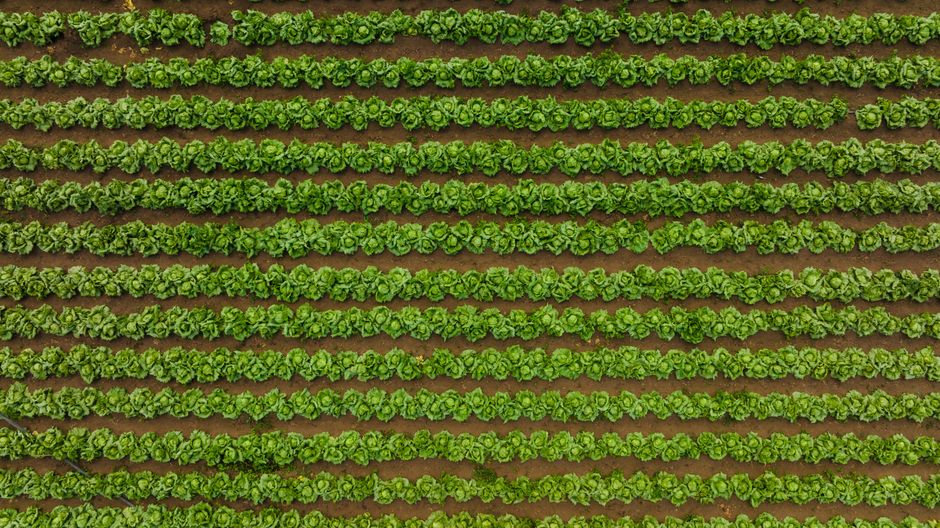
Organic farming supplies encompass a wide range of products necessary for the cultivation of crops without synthetic fertilizers or pesticides. These supplies include seeds, soil amendments, pest control solutions, and tools that help in maintaining an organic farm. Choosing high-quality supplies is crucial, as they directly influence the health of the crops and the sustainability of the farming practices.
The Importance of Organic Seeds
One of the most fundamental components of organic farming is the selection of organic seeds. Organic seeds are produced without the use of synthetic fertilizers or pesticides and are essential for ensuring the integrity of the organic farming process. Farmers should look for reputable suppliers that offer a variety of organic seeds suitable for their climate and soil conditions. For example, heirloom varieties not only enhance biodiversity but also provide unique flavors and increased nutritional value.
Moreover, organic seeds are often more resilient to pests and diseases, which can reduce the need for chemical interventions. According to a study by the Organic Trade Association, using organic seeds can lead to a 15-20% increase in crop yield compared to conventional seeds. This statistic highlights the importance of selecting the right seeds for successful organic farming.
Soil Health and Amendments
Healthy soil is the cornerstone of any successful organic farm. Soil amendments such as compost, manure, and organic fertilizers play a critical role in enhancing soil fertility and structure. By enriching the soil with organic matter, farmers can improve water retention, promote beneficial microbial activity, and ensure that plants have access to the nutrients they need to thrive.
For instance, compost not only provides essential nutrients but also helps to suppress diseases and pests naturally. Farmers can create their own compost by recycling kitchen scraps and garden waste, or they can purchase high-quality compost from suppliers. Organic farming supplies that include various soil amendments can significantly enhance soil quality, leading to healthier plants and better yields.
Natural Pest Control Solutions
Pest management is a significant challenge for organic farmers. Unlike conventional farming, where synthetic pesticides can be used, organic farming relies on natural pest control solutions. This can include introducing beneficial insects, using plant-based insecticides, and employing cultural practices that deter pests.
For example, planting companion crops can naturally repel pests while attracting beneficial insects. Neem oil is another effective organic pesticide that can manage a variety of pests without harming beneficial insects. Farmers should research and invest in a range of natural pest control products to protect their crops effectively while adhering to organic standards.
Essential Tools for Organic Farming
Having the right tools is essential for maintaining an efficient organic farm. Basic tools such as hoes, rakes, and shovels are necessary for soil preparation, while more specialized tools like seeders and weeders can greatly enhance productivity. Additionally, investing in organic farming supplies such as organic mulch can help retain moisture in the soil, suppress weeds, and maintain a stable soil temperature.
Furthermore, modern technologies like drip irrigation systems can optimize water usage, which is critical in organic farming where sustainability is key. By selecting high-quality tools and equipment, farmers can improve their workflow and ultimately increase their yield.
Conclusion
In conclusion, successful organic farming hinges on the selection of the right supplies. From organic seeds to soil amendments and natural pest control solutions, each component plays a vital role in creating a sustainable and productive farming system. By investing in quality organic farming supplies, farmers can enhance their crop yields, promote soil health, and contribute to a more sustainable food system. As the demand for organic products continues to rise, now is the perfect time for farmers to explore the plethora of resources available to support their organic farming journey.