
In recent years, LED technology has revolutionized the way we illuminate our environments. From homes to businesses and even outdoor spaces, LEDs have become the go-to choice for efficient and versatile lighting solutions. This article explores the various aspects of LED technology, its benefits, applications, and future trends, providing a comprehensive overview of why LEDs are essential in today’s world.
Understanding LED Technology
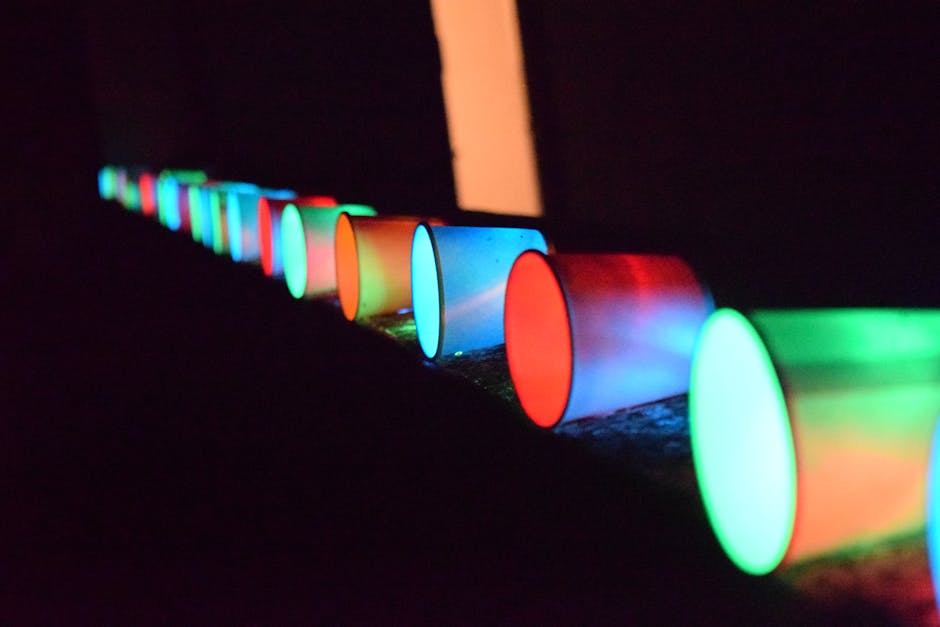
Light Emitting Diodes (LEDs) are semiconductor devices that emit light when an electric current passes through them. Unlike traditional light sources, such as incandescent and fluorescent bulbs, LEDs convert a higher percentage of electricity into light, making them significantly more energy-efficient. In fact, according to the U.S. Department of Energy, LEDs use at least 75% less energy than incandescent lighting, leading to substantial cost savings over time.
One of the fascinating aspects of LEDs is their lifespan. While traditional bulbs may last for around 1,000 hours, LEDs can last up to 25,000 hours or more, depending on the usage and conditions. This longevity not only reduces the frequency of replacements but also minimizes waste, making LEDs a more environmentally friendly option.
Benefits of LED Lighting
The advantages of LED lighting extend beyond energy efficiency and lifespan. LEDs offer superior brightness and clarity compared to traditional lighting solutions. This makes them ideal for various applications, from residential to commercial and industrial settings. Additionally, LEDs emit light in a specific direction, reducing the need for reflectors and diffusers that can trap light. This directional lighting capability enhances efficiency and effectiveness.
Another significant benefit of LEDs is their versatility. They come in a wide range of colors and can be used for various purposes, including mood lighting, task lighting, and decorative accents. For instance, using benzi LED RGB strips allows users to customize their lighting to match any occasion or aesthetic preference. The ability to change colors and brightness adds a dynamic element to spaces, enhancing overall ambiance.
Applications of LEDs
The applications of LED technology are vast and varied. In residential settings, LEDs are used for everything from ceiling fixtures to outdoor landscape lighting. Their energy efficiency translates to lower electricity bills, making them an attractive option for homeowners looking to reduce costs.
In commercial spaces, LEDs have become the standard for office lighting due to their low maintenance and energy-saving properties. Retailers also utilize LED signage to attract customers, leveraging the bright and eye-catching nature of LED displays. Additionally, automotive manufacturers have adopted LED technology for headlights and taillights, improving visibility and safety on the roads.
Future Trends in LED Technology
The future of LED technology looks promising, with continuous advancements expected in the coming years. Innovations in smart lighting systems are becoming increasingly prevalent, allowing users to control their lighting through apps and voice commands. This integration of technology enhances convenience and energy management in both residential and commercial settings.
Moreover, as sustainability becomes a more significant concern globally, the demand for energy-efficient lighting solutions will continue to rise. LED technology aligns perfectly with this trend, providing an eco-friendly alternative that meets both consumer needs and environmental standards.
Conclusion
In conclusion, LED technology has transformed the lighting landscape with its energy efficiency, longevity, and versatility. As we move towards a more sustainable future, LEDs will play a crucial role in shaping how we illuminate our world. With ongoing advancements and increasing adoption across various sectors, it is clear that LEDs are not just a passing trend but a fundamental component of modern lighting solutions.