
In the world of culinary delights, few dishes evoke as much passion and creativity as handmade pizza. This artisanal approach to pizza-making not only emphasizes the quality of ingredients but also the skill and creativity of the chef. Handmade pizza allows for a unique expression of flavors and textures, making each pie a personal masterpiece. In this article, we’ll explore the nuances of handmade pizza, from the dough to the toppings, and provide tips for creating your own delicious versions at home.
The Foundation: Perfecting the Dough
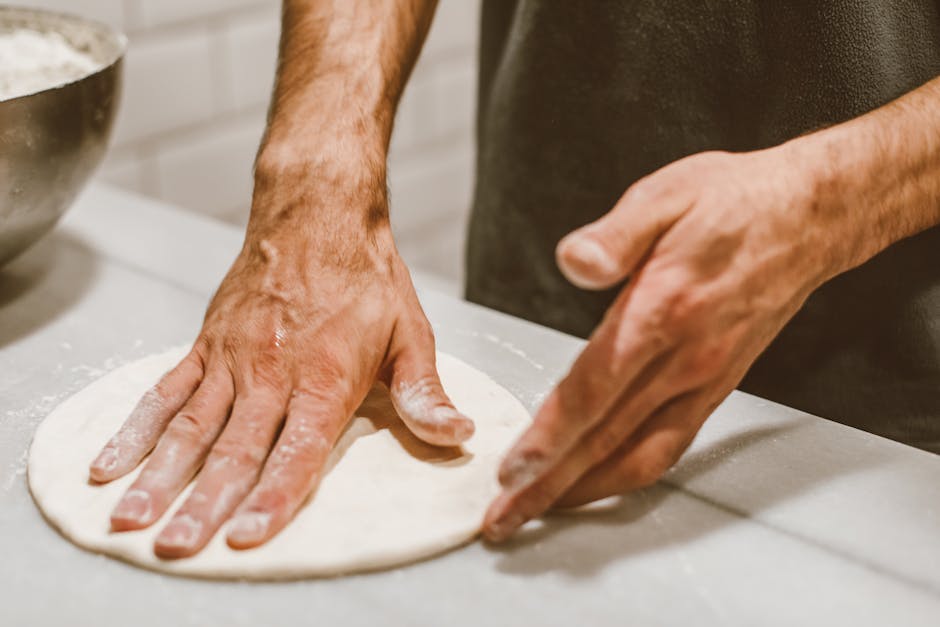
The dough is the heart of any pizza, and perfecting it is an art form in itself. Handmade pizza dough typically requires just four basic ingredients: flour, water, yeast, and salt. However, the ratios and techniques used can dramatically affect the final product. For a soft, chewy crust, many chefs recommend using high-protein bread flour, which gives the dough its elasticity and strength.
Let’s talk about fermentation. Allowing the dough to rise for an extended period, preferably overnight in the refrigerator, enhances the flavor and texture. This slow fermentation process breaks down the starches and proteins, resulting in a more complex flavor profile. According to a study by the American Institute of Baking, dough that rises for 24 hours can develop up to 60% more flavor than dough that rises for only a few hours.
Once your dough has risen, it’s crucial to knead it properly. Kneading develops the gluten, which helps create that delightful chewiness we all love in a pizza crust. Aim for a smooth and elastic dough that springs back when you poke it. After kneading, let the dough rest briefly before shaping it into your desired pizza form.
Choosing the Right Sauce
While the dough sets the stage, the sauce is where the flavor begins to shine. Traditional tomato sauce is a popular choice, but handmade pizza allows for endless creativity. You can opt for a rich marinara, a spicy arrabbiata, or even a white sauce made with cream and garlic.
Using fresh, high-quality ingredients is essential for the best flavor. San Marzano tomatoes, often regarded as the best for pizza sauce, offer a sweet and balanced taste. To create a simple yet flavorful sauce, crush the tomatoes, add a pinch of salt, and let them simmer with garlic and basil. This method highlights the natural flavors without overpowering the dough.
For those looking to venture beyond tomato sauce, consider unique alternatives like pesto, barbecue sauce, or even a spicy harissa. These options can elevate your handmade pizza, introducing new flavor profiles that surprise and delight your guests.
Toppings: A Canvas for Creativity
The real beauty of handmade pizza lies in the toppings. This is where you can truly express your culinary creativity. While classic options like pepperoni, mushrooms, and bell peppers are always crowd-pleasers, don’t shy away from experimenting.
Consider using gourmet cheeses such as goat cheese, gorgonzola, or burrata for a rich and creamy texture. Pair these with seasonal vegetables like arugula, zucchini, or roasted red peppers to add freshness and color. For protein lovers, try incorporating grilled chicken, prosciutto, or even seafood like shrimp for a unique twist.
Don’t forget about finishing touches! A drizzle of high-quality olive oil, a sprinkle of fresh herbs, or a pinch of chili flakes can take your handmade pizza to the next level. The combination of flavors and textures is what makes each pizza unique and a true reflection of your taste.
Cooking Techniques: Achieving the Perfect Bake
Cooking your handmade pizza correctly is crucial for capturing that perfect crust and melty toppings. The most traditional method is using a wood-fired oven, which can reach temperatures of 800°F (427°C) or higher. This intense heat cooks the pizza quickly, creating a crispy crust while keeping the toppings fresh.
If you don’t have access to a wood-fired oven, don’t worry! A conventional oven can also yield fantastic results. Preheat your oven to the highest setting, ideally around 500°F (260°C), and use a pizza stone or steel to mimic the effects of a wood-fired oven. Preheating the stone ensures that the crust cooks evenly and develops a lovely char.
For best results, stretch your pizza dough rather than rolling it out. This technique keeps the air pockets intact, resulting in a lighter and airier crust. Once assembled, bake your pizza for about 8-12 minutes, keeping an eye on the crust to ensure it doesn’t overcook.
A Final Touch: The Experience of Handmade Pizza
Creating handmade pizza is not just about the end product; it’s about the entire experience. From selecting quality ingredients to experimenting with flavors, each step brings joy and satisfaction. Engaging family and friends in the pizza-making process can also turn dinner into a fun and interactive event.
Finally, as you enjoy your handmade pizza, consider pairing it with a suitable wine or craft beer. A light, crisp white wine or a hoppy IPA can complement the flavors beautifully, enhancing the overall dining experience.
For those looking to explore more gourmet options, consider visiting restaurants that specialize in artisanal pizzas, such as those found at LUXURY 777. These establishments often take pride in their handcrafted techniques and can serve as inspiration for your own kitchen experiments.
Conclusion
Handmade pizza is more than just a meal; it’s a journey of creativity and flavor. By mastering the dough, selecting quality ingredients, and experimenting with toppings, anyone can create delicious, artisanal pizzas at home. Embrace the art of pizza-making, and let your culinary skills shine. Whether enjoyed in solitude or shared with loved ones, each handmade pizza is a reflection of your unique taste and passion.