In the realm of modern manufacturing, the advent of technology has transformed how products are designed and produced. Among these innovations, 3D printing stands out as a revolutionary process that allows for the creation of complex structures with remarkable precision. This article delves into the world of 3D printing services, exploring their applications, advantages, and the future they hold for various industries.
Understanding 3D Printing Technology
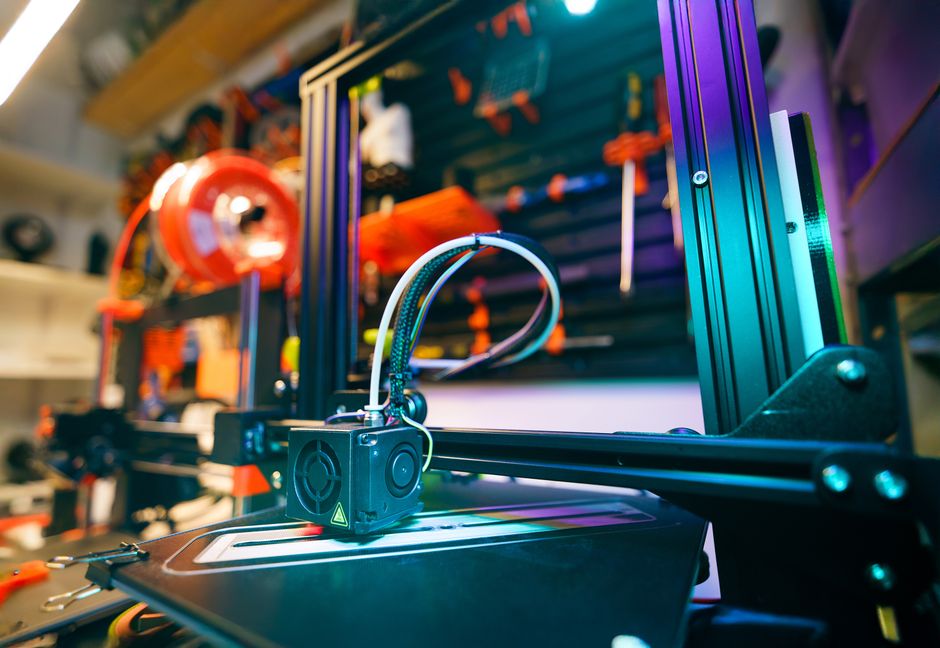
3D printing, also known as additive manufacturing, involves creating three-dimensional objects from a digital file. The process is accomplished by layering materials, such as plastic, metal, or resin, to construct the desired shape. One of the most exciting aspects of 3D printing is its ability to produce intricate designs that would be impossible or prohibitively expensive to create using traditional manufacturing techniques.
Various methods of 3D printing exist, including Fused Deposition Modeling (FDM), Stereolithography (SLA), and Selective Laser Sintering (SLS). Each method has its unique advantages and is suited for different applications. For instance, FDM is widely used for prototyping due to its cost-effectiveness, while SLA is favored for high-precision applications.
Applications of 3D Printing Services
The applications of 3D printing are vast and continue to expand across multiple sectors. In the healthcare industry, for example, 3D printing is used to create custom prosthetics and dental implants that fit patients perfectly, enhancing comfort and functionality. According to a report by Wohlers Associates, the medical sector is expected to be one of the largest markets for 3D printing, with an annual growth rate exceeding 20%.
In the automotive industry, manufacturers utilize 3D printing to produce lightweight components that improve fuel efficiency and reduce emissions. Companies like Ford and BMW have already integrated 3D printed parts into their production lines, showcasing the technology’s potential to streamline manufacturing processes.
Benefits of Utilizing 3D Printing Services
One of the most significant advantages of 3D printing services is their ability to reduce lead times. Traditional manufacturing processes often involve lengthy setups and tooling, which can delay production. However, with 3D printing, once the design is finalized, products can be printed on demand, significantly shortening the time from concept to market.
Furthermore, 3D printing is a sustainable manufacturing option. It minimizes material waste by using only the necessary amount of material for production. This feature is particularly beneficial in industries where reducing waste is crucial for both economic and environmental reasons.
Challenges Facing 3D Printing Services
Despite its numerous advantages, 3D printing services also face challenges. One of the primary concerns is the scalability of production. While 3D printing is ideal for small batches and prototypes, scaling up for mass production can be complex and costly. Additionally, ensuring the quality and consistency of printed products remains a hurdle that manufacturers must overcome.
Intellectual property issues also pose a challenge in the 3D printing landscape. As designs can be easily replicated, protecting proprietary designs becomes increasingly difficult. Companies must navigate these legal complexities to safeguard their innovations.
The Future of 3D Printing Services
Looking ahead, the future of 3D printing services appears promising. Innovations in materials science are paving the way for new applications, such as 3D printing with biocompatible materials for medical use. Additionally, advancements in automation and AI are expected to enhance the efficiency of 3D printing processes.
As industries continue to embrace digital transformation, the integration of 3D printing services into supply chains will likely become more prevalent. Companies are already exploring hybrid manufacturing models that combine traditional methods with 3D printing to maximize efficiency and flexibility.
For those considering the implementation of 3D printing in their operations, partnering with a reliable provider can streamline the process. Services that offer a range of solutions, including design support and post-processing, can help businesses leverage the full potential of 3D printing technology. One such provider is 3D printing service, which specializes in customized solutions for various industries.
Conclusion
In conclusion, 3D printing services are revolutionizing the way products are manufactured across diverse sectors. With their ability to create complex designs, reduce waste, and shorten production times, they offer distinct advantages that traditional manufacturing methods cannot match. As technology continues to advance, the possibilities for 3D printing are limitless, promising a future where manufacturing is faster, more efficient, and more sustainable.