
CNC machining services have revolutionized the manufacturing industry, offering precision and efficiency that traditional methods simply cannot match. As businesses seek to innovate and streamline their production processes, the demand for CNC machining continues to rise. This article delves into the various aspects of CNC machining services, their benefits, applications, and the future of this technology in the manufacturing landscape.
Understanding CNC Machining
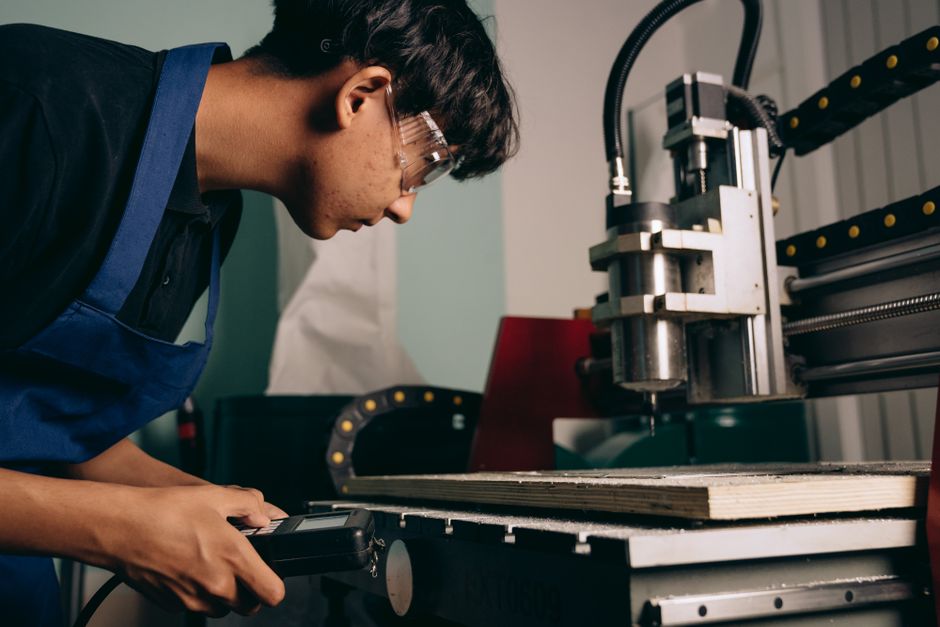
CNC, or Computer Numerical Control, machining refers to the automated control of machining tools via computer programs. This technology enables the precise manufacturing of parts and components from a variety of materials, such as metals, plastics, and wood. The process involves the use of various tools like lathes, mills, routers, and grinders, all of which are guided by computer systems to achieve high levels of accuracy.
One of the key advantages of CNC machining is its ability to produce complex shapes and designs that would be challenging or impossible to achieve with manual machining. This capability not only enhances the design possibilities for engineers and designers but also significantly reduces the time and labor involved in production.
Furthermore, CNC machining services provide a level of repeatability that is essential for mass production. Once a program is written and tested, it can be used to manufacture thousands of identical parts with minimal variation. This consistency is crucial for industries such as automotive and aerospace, where safety and reliability are paramount.
Benefits of CNC Machining Services
The benefits of utilizing CNC machining services are numerous. First and foremost, these services enhance productivity by minimizing the time required for production. Automated processes can operate continuously, leading to faster turnaround times for projects.
In addition to efficiency, CNC machining also offers superior precision. Modern CNC machines can achieve tolerances of up to ±0.005 mm, making them ideal for applications that require intricate details. This level of precision not only improves the quality of the final product but also reduces the likelihood of waste due to defects.
Cost-effectiveness is another significant advantage. Although the initial investment in CNC technology can be high, the long-term savings resulting from reduced labor costs, material waste, and faster production times often outweigh these initial expenses. Companies can benefit from lower operational costs while maintaining high-quality standards.
Applications Across Industries
CNC machining services are utilized across a wide range of industries, demonstrating their versatility and effectiveness. In the automotive sector, for instance, CNC machining is essential for producing engine components, transmission parts, and other critical elements that require high precision and durability.
The aerospace industry also heavily relies on CNC machining services for the production of aircraft components, where weight and strength are crucial. Components such as brackets, housings, and structural parts are often manufactured using CNC technology to ensure they meet stringent safety and performance standards.
Moreover, industries such as healthcare, electronics, and consumer goods have adopted CNC machining for its ability to produce custom parts tailored to specific needs. This adaptability makes CNC machining an invaluable resource for businesses looking to innovate and respond to market demands.
The Future of CNC Machining Services
The future of CNC machining services looks promising, with advancements in technology continually shaping the landscape. The integration of artificial intelligence (AI) and machine learning into CNC systems is expected to enhance efficiency and reduce downtime. These technologies can analyze production data in real-time, allowing for predictive maintenance and optimization of machining processes.
Additionally, the rise of 3D printing and additive manufacturing is likely to complement CNC machining rather than replace it. By combining these technologies, manufacturers can create complex geometries that were previously unattainable, further expanding the possibilities of production.
As industries evolve, the demand for customized and on-demand production will continue to grow. CNC machining services are well-positioned to meet these needs, providing flexibility and precision that traditional manufacturing methods cannot offer. To explore how CNC machining services can enhance your production capabilities, consider reaching out to expert providers who can tailor solutions to your specific requirements, such as CNC machining service.
Conclusion
In conclusion, CNC machining services represent a significant advancement in manufacturing technology, offering unparalleled precision, efficiency, and adaptability. As businesses seek to optimize their production processes, the role of CNC machining will only continue to expand. By understanding the benefits and applications of this technology, companies can leverage CNC machining to stay competitive and innovative in an ever-evolving marketplace.