
In today’s fast-paced music industry, the demand for high-quality recordings has never been higher. For aspiring musicians and seasoned artists alike, having access to a professional recording studio can make all the difference. Recording studio rental offers a flexible and affordable solution for those looking to capture their sound without the long-term commitment of ownership. This article explores the various advantages of renting a recording studio, and how it can serve as a catalyst for creativity and professional growth.
Cost-Effectiveness of Rental Studios
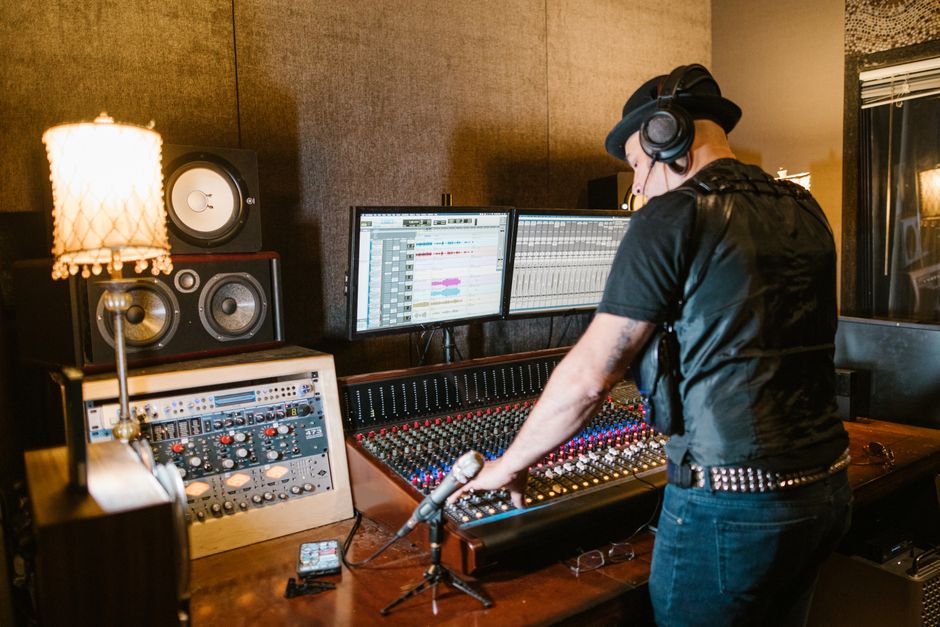
One of the primary reasons artists opt for recording studio rental is the financial flexibility it provides. Purchasing and maintaining a professional studio can be prohibitively expensive, often requiring significant investments in equipment, space, and utilities. By renting, musicians can access top-notch facilities and gear without the burden of ownership costs.
Additionally, rental studios often have various pricing structures, allowing artists to choose packages that best fit their budget and needs. Whether it’s hourly rates for short sessions or daily rates for longer projects, the options are plentiful, making it easier for musicians to manage their finances effectively.
Furthermore, rental agreements can often include additional services like sound engineering or mixing, which can significantly reduce overall production costs. This allows artists to focus their budgets on other critical areas, such as marketing and distribution.
Access to State-of-the-Art Equipment
Another significant advantage of using a rental studio is the access to high-quality equipment. Many rental studios invest in cutting-edge technology, including microphones, mixers, and acoustic treatments that are often beyond the reach of individual musicians or small bands. This access can dramatically improve the quality of recordings, ensuring that artists can produce professional-grade music.
Moreover, many studios are staffed with experienced sound engineers and producers who can offer valuable insights and technical support. This collaboration not only enhances the recording process but also allows artists to learn from professionals, improving their skills and knowledge in music production.
For instance, a study by the Music Industry Research Association found that artists who collaborated with experienced producers in studio settings saw a 30% increase in streaming numbers compared to those who recorded independently. This statistic underscores the importance of a professional environment in fostering artistic growth.
Creative Collaboration Opportunities
Recording studios are not just places to capture sound; they are creative hubs where collaboration thrives. Renting a studio can facilitate connections between artists, producers, and other industry professionals. This networking can lead to exciting opportunities for collaboration, helping musicians to expand their creative horizons.
For example, many studios host events or workshops that bring together talent from various backgrounds. These gatherings can spark new ideas and collaborations, leading to innovative music projects. Additionally, working in a studio often provides artists with exposure to different genres and styles, inspiring them to experiment and push their creative boundaries.
Furthermore, collaborating with others in a professional setting can lead to unique sound developments and artistic growth. Artists can learn from each other’s techniques, share resources, and ultimately create music that resonates more deeply with audiences.
Flexibility and Convenience
In an industry where time is of the essence, the flexibility of rental studios is a game-changer. Many studios offer 24/7 access, allowing artists to work on their schedules without being constrained by traditional operating hours. This convenience is especially beneficial for those balancing multiple commitments, such as jobs or family responsibilities.
Additionally, the ability to rent a studio on an as-needed basis means artists can easily adapt their recording plans based on their creative flow. If inspiration strikes at an odd hour, having access to a studio can make all the difference in capturing that moment.
For instance, a recent survey indicated that 65% of musicians reported higher productivity when working in a professional studio environment compared to home recording setups. This highlights the importance of flexibility and convenience in fostering creativity.
Conclusion
In conclusion, recording studio rental offers a myriad of benefits for musicians looking to enhance their sound and creativity. From cost-effectiveness and access to state-of-the-art equipment to opportunities for collaboration and flexibility, renting a studio can significantly impact an artist’s career. As the music industry continues to evolve, embracing the advantages of professional recording environments will undoubtedly lead to greater artistic expression and success.