
As urban populations continue to grow, the need for sustainable food production methods becomes increasingly urgent. One promising solution emerging in recent years is vertical farming technology. This innovative approach to agriculture allows for the cultivation of crops in stacked layers, optimizing space and resources. With the integration of advanced technologies, vertical farms are not only revolutionizing the way we grow food but also addressing critical issues such as food security and environmental sustainability.
Understanding Vertical Farming Technology
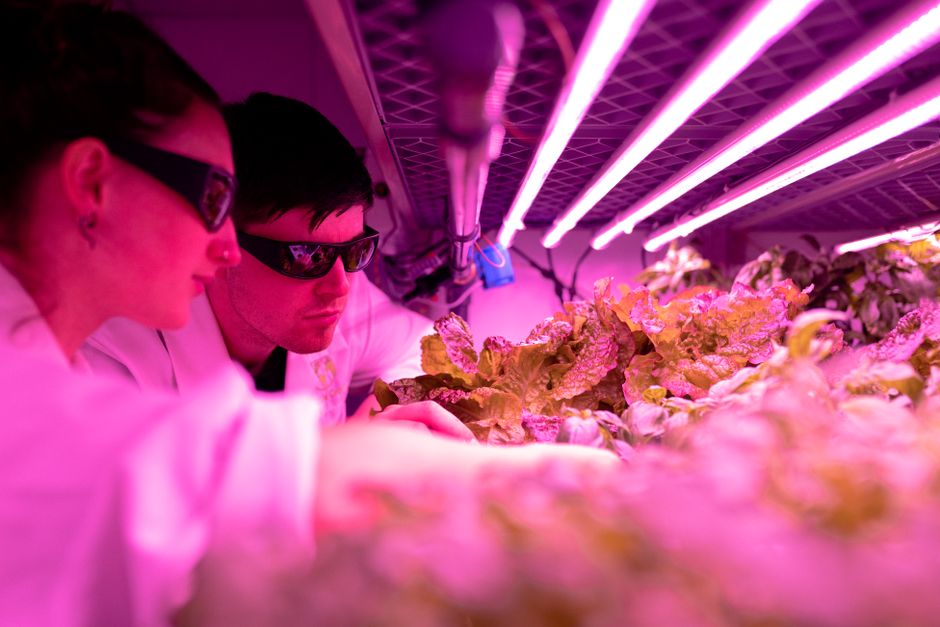
Vertical farming technology encompasses a variety of methods and systems designed to grow crops in vertically stacked layers. This can include hydroponics, aeroponics, and aquaponics, each employing different techniques to nourish plants without traditional soil. Hydroponics, for example, uses nutrient-rich water solutions to deliver essential minerals to plants, while aeroponics relies on misting the roots with a nutrient solution. These systems can be housed in repurposed warehouses, shipping containers, or purpose-built facilities, making them adaptable to urban settings.
One of the key advantages of vertical farming is its ability to utilize less land than conventional farming. According to the Food and Agriculture Organization (FAO), urban areas occupy only 1% of the Earth’s land but house over half of the global population. By maximizing vertical space, farmers can produce more food per square foot, which is crucial in densely populated cities where land is at a premium.
Moreover, vertical farming technology significantly reduces water usage. Traditional agriculture accounts for approximately 70% of global freshwater use. In contrast, vertical farms can reduce water consumption by up to 95% through recirculating systems that reuse water. This efficiency is essential as climate change exacerbates water scarcity in many regions.
Impact on Food Security
Food security is a pressing concern worldwide, with millions of people lacking reliable access to sufficient and nutritious food. Vertical farming technology offers a viable solution to this problem by enabling local food production. By growing food closer to urban centers, vertical farms can minimize transportation costs and reduce the carbon footprint associated with food distribution.
For instance, a study conducted in New York City found that if just 10% of the city’s available land were converted to vertical farms, it could produce enough fresh produce to meet the dietary needs of its residents. This local production not only enhances food security but also supports the local economy by creating jobs in agriculture and related sectors.
Additionally, vertical farming technology can produce food year-round, independent of seasonal changes. This consistent availability of fresh produce is vital for urban populations, providing access to healthy food options regardless of external conditions.
Technological Innovations in Vertical Farming
Technological advancements play a crucial role in the success of vertical farming. Automation, artificial intelligence (AI), and the Internet of Things (IoT) are transforming how vertical farms operate. For example, automated systems can monitor and adjust environmental conditions such as temperature, humidity, and light levels, ensuring optimal growth conditions for plants.
Furthermore, AI can analyze data from sensors to predict plant growth patterns and optimize resource use. This data-driven approach enhances efficiency and reduces waste, making vertical farming more sustainable. Companies like Plenty and AeroFarms are leading the way in integrating these technologies into their operations, showcasing the potential of vertical farming to revolutionize food production.
Moreover, vertical farms can leverage renewable energy sources to power their operations. Solar panels and wind turbines can be installed to provide clean energy, further reducing the environmental impact of farming practices. This integration of sustainable energy solutions aligns with the broader goal of creating resilient urban ecosystems.
Challenges Facing Vertical Farming
Despite its many advantages, vertical farming technology is not without challenges. One significant barrier is the high initial investment required to set up vertical farms. The cost of advanced technology, infrastructure, and ongoing operational expenses can be prohibitive for some entrepreneurs and investors.
Additionally, the reliance on technology raises concerns about vulnerability to system failures or cyberattacks. Ensuring the security and reliability of automated systems is essential to maintain productivity and food safety. As the industry evolves, addressing these challenges will be crucial to its long-term viability.
Another challenge is the limited crop variety that can be effectively grown in vertical farms. While leafy greens and herbs thrive in these environments, other crops such as grains and root vegetables present more complex challenges. Research and innovation in crop breeding and cultivation techniques are necessary to expand the range of produce that can be grown vertically.
Conclusion
Vertical farming technology represents a transformative shift in how we produce food in urban environments. By maximizing space and resources, it offers solutions to the pressing issues of food security and environmental sustainability. As advancements in technology continue to drive the industry forward, the potential for vertical farming to reshape agriculture is immense. However, addressing the inherent challenges will be key to unlocking its full potential. Stakeholders, including policymakers, investors, and researchers, must collaborate to create an ecosystem that supports the growth of vertical farming, ensuring that it becomes an integral part of our future food systems. In summary, as cities expand and the demand for sustainable food sources increases, vertical farming technology offers a promising path forward.