
In the ever-changing landscape of agriculture, farmers face numerous risks that can jeopardize their livelihoods. From unpredictable weather patterns to market fluctuations, the challenges are many. One essential tool that has emerged to help mitigate these risks is crop insurance. This article delves into the intricacies of crop insurance, exploring its benefits, types, and the impact it has on agricultural sustainability.
What is Crop Insurance?
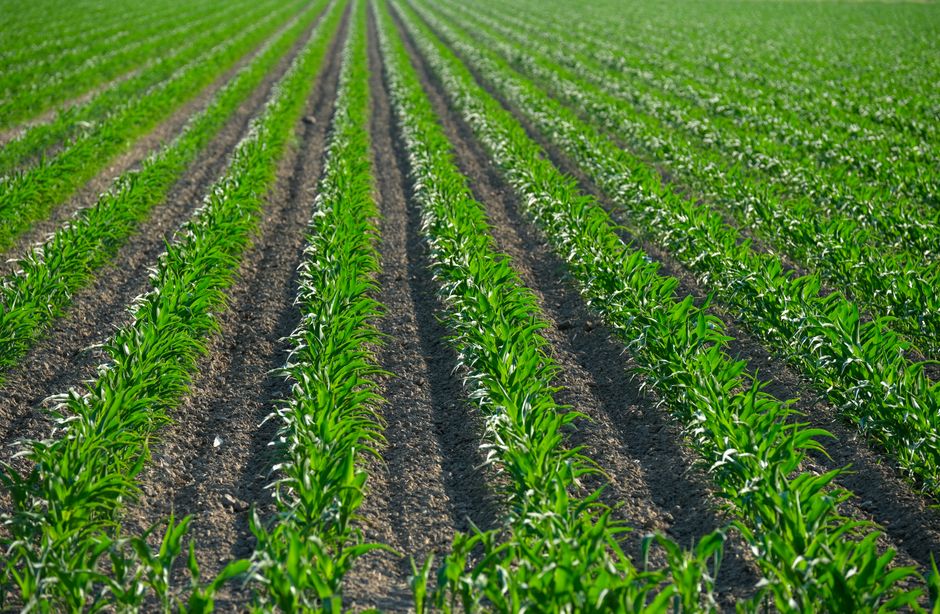
Crop insurance is a risk management tool designed to protect farmers against the loss of their crops due to unforeseen events. These events can include natural disasters such as floods, droughts, hail, and pests. By purchasing crop insurance, farmers can safeguard their investments and ensure a more stable income. In many countries, crop insurance is supported by government programs, making it more accessible to farmers.
The primary purpose of crop insurance is to provide financial protection. For instance, if a farmer loses a significant portion of their crop due to a natural disaster, crop insurance can cover the losses, allowing them to recover and continue farming. This financial safety net is crucial, especially for small-scale farmers who may not have the resources to withstand significant losses.
Types of Crop Insurance
There are several types of crop insurance available to farmers, each tailored to meet different needs. The two main categories are:
1. Revenue Insurance: This type of insurance protects farmers against a decline in revenue caused by lower crop yields or lower prices. It provides a guarantee based on the expected revenue, ensuring that farmers receive compensation if their income falls below a certain threshold.
2. Yield Insurance: Yield insurance focuses specifically on the amount of crop produced. It compensates farmers if their actual yield falls below a predetermined level. This type of insurance is particularly important for farmers in regions prone to adverse weather conditions.
Farmers should assess their specific risks and choose the type of insurance that best fits their situation. In some cases, a combination of both revenue and yield insurance may provide the most comprehensive protection.
The Role of Government in Crop Insurance
Many governments recognize the importance of crop insurance in supporting their agricultural sectors. As a result, they often provide subsidies or incentives to encourage farmers to purchase insurance. For example, in the United States, the Federal Crop Insurance program offers various plans, and farmers can receive significant premium discounts based on their participation in specific government programs.
These government initiatives not only help stabilize farmers’ incomes but also promote sustainable agricultural practices. By reducing the financial risks associated with farming, governments are fostering an environment where farmers can invest in their operations, innovate, and adopt new technologies.
Challenges and Considerations
Despite the advantages of crop insurance, there are challenges that farmers must navigate. One significant issue is the cost of premiums. Depending on the type of coverage and the risk associated with their crops, premiums can be substantial. Farmers need to carefully consider their budgets and financial situations when deciding on the level of coverage to purchase.
Additionally, understanding the terms and conditions of crop insurance policies can be complex. Farmers must be diligent in reviewing their policies to ensure they are adequately covered. Consulting with insurance agents or agricultural extension services can provide valuable insights and help farmers make informed decisions.
The Future of Crop Insurance
As climate change continues to impact agricultural production, the role of crop insurance is likely to evolve. Innovations in technology, such as precision agriculture and data analytics, are providing new ways to assess risks and calculate premiums. These advancements can lead to more tailored insurance products that meet the specific needs of farmers.
Moreover, the integration of sustainable practices within crop insurance policies is gaining traction. Insurers are beginning to offer incentives for farmers who adopt environmentally friendly practices, such as cover cropping or reduced pesticide usage. This shift not only benefits farmers but also contributes to broader environmental goals.
In conclusion, crop insurance is an essential component of modern agriculture, providing farmers with the security they need to navigate the uncertainties of farming. By understanding the different types of insurance available and the support offered by governments, farmers can make informed decisions that protect their livelihoods and promote sustainable agricultural practices. For more information on crop insurance, visit crop insurance resources that can guide you in selecting the right coverage.