
In today’s fast-paced economy, the role of distributors has evolved significantly, becoming a crucial link in the supply chain. Distributors are responsible for bridging the gap between manufacturers and retailers or consumers, ensuring that products reach their final destinations efficiently and effectively. This article explores the multifaceted roles of distributors, their impact on various industries, and the strategies they employ to adapt to changing market demands.
The Importance of Distributors
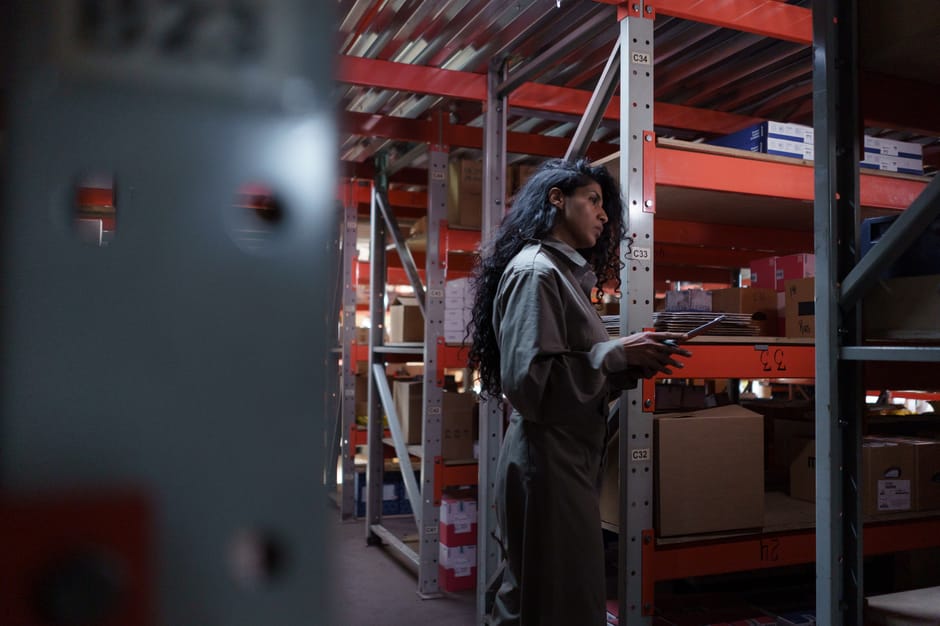
Distributors play a vital role in the supply chain by managing the logistics of product distribution. They ensure that goods are delivered to the right place at the right time, which is essential for maintaining customer satisfaction. According to a report by the National Association of Wholesaler-Distributors, the distributor industry contributes over $5 trillion to the U.S. economy, highlighting their significance.
Moreover, distributors help manufacturers reduce their operational costs by handling inventory management and transportation logistics. By outsourcing these tasks to distributors, manufacturers can focus on their core competencies, such as product development and production.
Types of Distributors
There are several types of distributors, each serving unique market needs. For instance, wholesalers purchase large quantities of products from manufacturers and sell them in smaller lots to retailers. This model allows retailers to stock their shelves without having to buy in bulk directly from manufacturers.
On the other hand, drop shippers operate differently. They do not hold inventory; instead, they take orders from customers and pass them directly to manufacturers, who then ship the products to the customers. This model minimizes the risk for retailers and allows them to offer a wider range of products without the need for significant upfront investment.
Challenges Faced by Distributors
Despite their importance, distributors face numerous challenges in the current market. One significant challenge is the rapid advancement of technology, which requires distributors to continuously adapt to new systems and processes. For example, many distributors are now implementing advanced inventory management software to streamline operations and improve efficiency.
Additionally, distributors must navigate the complexities of global supply chains. The COVID-19 pandemic highlighted vulnerabilities in supply chains, prompting many distributors to rethink their strategies. As a result, many are diversifying their supplier base and investing in local sourcing to mitigate risks.
Strategies for Success
To thrive in the competitive landscape, distributors must adopt innovative strategies. One effective approach is leveraging data analytics to gain insights into market trends and customer preferences. By analyzing sales data, distributors can make informed decisions about inventory management and product offerings.
Another strategy is building strong relationships with both suppliers and customers. Effective communication and collaboration can lead to better negotiation terms and improved service levels. Distributors who foster these relationships are often more successful in navigating market fluctuations.
Furthermore, as health and wellness trends continue to rise, some distributors are exploring niche markets, such as the distribution of health supplements. For instance, products like BPC157+TB500 are gaining popularity, and distributors can capitalize on this trend by targeting specific consumer segments.
The Future of Distribution
The future of distribution is likely to be shaped by technological advancements and changing consumer behaviors. E-commerce has transformed the way consumers shop, forcing distributors to adapt quickly to meet new demands. Automation and artificial intelligence are expected to play a significant role in optimizing logistics and inventory management.
Additionally, sustainability will become increasingly important. Consumers are more aware of environmental issues and prefer to purchase from companies that prioritize eco-friendly practices. Distributors who embrace sustainable practices, such as reducing packaging waste and optimizing transportation routes, will likely gain a competitive advantage.
Conclusion
In conclusion, distributors are essential players in the supply chain, facilitating the flow of goods from manufacturers to consumers. Their ability to adapt to changing market conditions and embrace new technologies will determine their success in the future. As the landscape continues to evolve, those who innovate and prioritize customer relationships will emerge as leaders in the distribution sector.