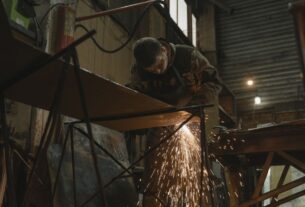
The industrial landscape is undergoing a significant transformation, driven by rapid advancements in automation technology. As manufacturers strive to enhance efficiency, reduce costs, and maintain competitive advantages, the demand for reliable industrial automation suppliers has never been higher. In this article, we will explore the vital role of these suppliers in the manufacturing sector, the technologies they provide, and the future trends shaping the industry.
Understanding Industrial Automation
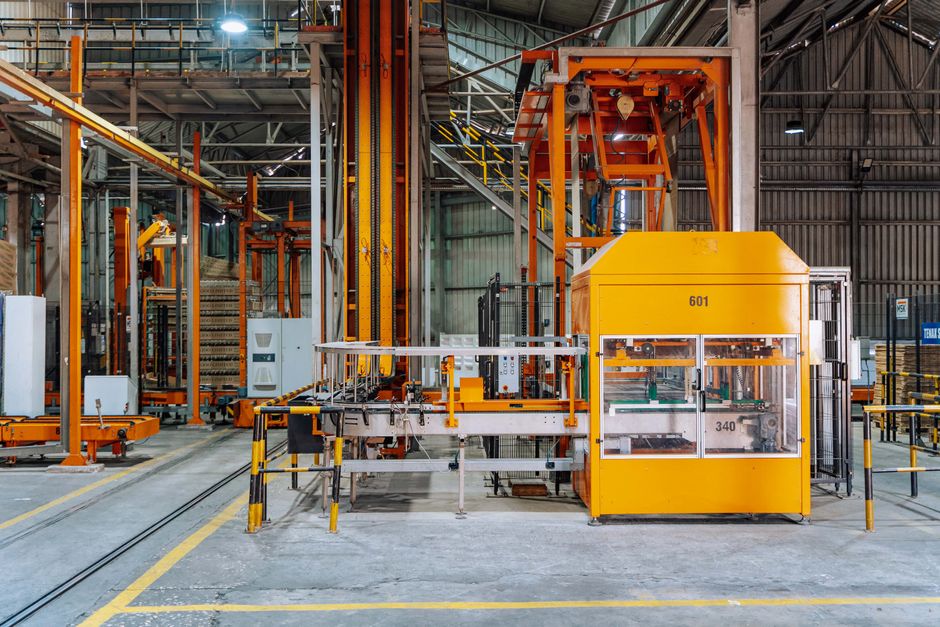
Industrial automation refers to the use of control systems such as computers or robots for handling different processes and machinery in an industry to replace human intervention. This technology can be applied to various applications, including manufacturing, packaging, and assembly. By automating tasks, businesses can achieve greater precision, higher output rates, and reduced operational costs.
One of the key components of industrial automation is the integration of sensors, actuators, and controllers that work together to streamline manufacturing processes. These components allow for the real-time monitoring of operations, enabling quick adjustments to optimize performance.
As industries grow more complex, the role of an industrial automation supplier becomes increasingly critical. These suppliers provide not only the necessary technology but also the expertise to implement and maintain automated systems effectively.
The Key Technologies Provided by Suppliers
Industrial automation suppliers offer a plethora of technologies that can significantly enhance manufacturing processes. Some of the most common technologies include:
1. Programmable Logic Controllers (PLCs): PLCs are ruggedized computers used for industrial automation that can execute a wide range of tasks. They are essential for controlling machinery and processes in real-time.
2. Human-Machine Interfaces (HMIs): HMIs allow operators to interact with machines and systems. They provide a graphical interface that displays the status of various operations, making it easier for users to monitor and control processes.
3. Robotics: Robotics technology is transforming the manufacturing landscape. From assembly lines to material handling, robots increase speed and precision while reducing the risk of human error.
These technologies not only enhance productivity but also contribute to improved safety and quality control in manufacturing environments.
Benefits of Partnering with an Industrial Automation Supplier
Choosing the right industrial automation supplier can bring a multitude of benefits to a manufacturing operation. Here are some of the key advantages:
1. Expertise and Support: Automation suppliers typically employ specialists who can offer valuable insights into system design and implementation. Their experience ensures that systems are set up to maximize efficiency and effectiveness.
2. Customized Solutions: No two manufacturing processes are identical. Suppliers can tailor their solutions to meet the specific needs of a business, ensuring that the automation systems align perfectly with operational goals.
3. Ongoing Maintenance and Upgrades: The world of industrial automation is constantly evolving. A good supplier will provide ongoing support and updates to ensure that systems remain at the cutting edge of technology.
Future Trends in Industrial Automation
As we look ahead, several trends are shaping the future of industrial automation:
1. Increased Use of Artificial Intelligence: AI is set to revolutionize how manufacturing processes operate. By analyzing vast amounts of data, AI can predict equipment failures and optimize production schedules.
2. Internet of Things (IoT) Integration: The IoT allows for deeper connectivity between devices and systems within a manufacturing environment. This integration facilitates better data collection and analysis, leading to more informed decision-making.
3. Sustainability and Energy Efficiency: As environmental concerns grow, manufacturers are looking for ways to reduce their carbon footprint. Automation technologies can help optimize energy use and minimize waste, contributing to more sustainable practices.
Conclusion
The role of industrial automation suppliers in modern manufacturing cannot be overstated. As industries continue to embrace automation technologies, the demand for skilled suppliers will only increase. By offering advanced solutions and expert support, these suppliers are helping businesses to navigate the complexities of automation, ultimately leading to improved efficiency, reduced costs, and enhanced competitiveness in the global marketplace.