
Metal fabrication is a crucial process in various industries, providing essential components for construction, manufacturing, and engineering projects. Understanding the intricacies of a metal fabrication shop can help businesses and individuals make informed decisions when seeking services. This article delves into the workings of metal fabrication shops, the technologies they employ, and the benefits they offer.
Understanding Metal Fabrication
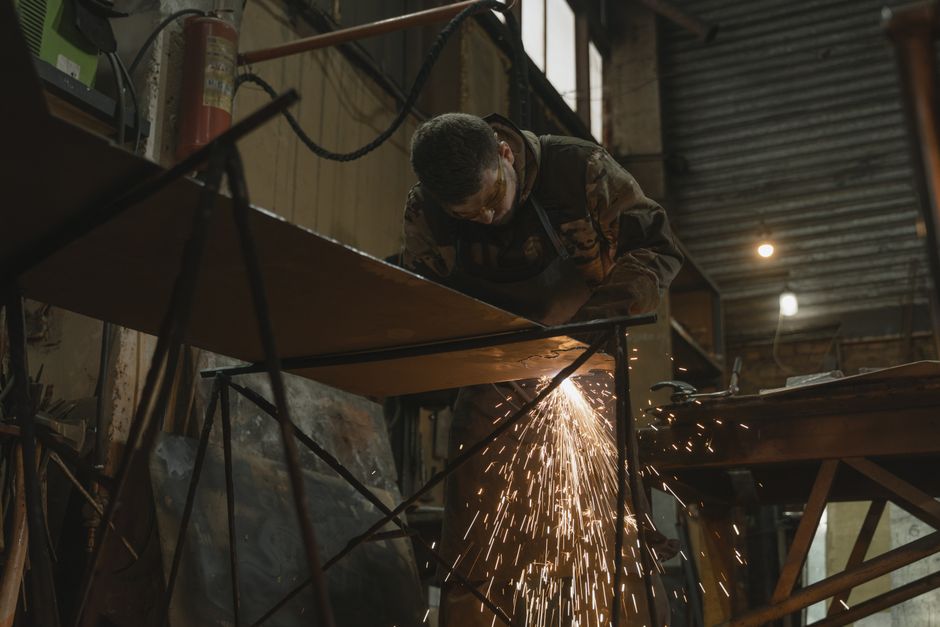
Metal fabrication refers to the process of manipulating metal to create structures, components, or products. This process can include cutting, bending, welding, and assembling various metal materials. Fabrication shops are equipped with specialized tools and machinery that allow them to precisely shape and join metals according to specific requirements.
In a typical metal fabrication shop, skilled technicians operate advanced machinery, such as laser cutters, CNC machines, and welding equipment. These tools enable them to produce high-quality parts that meet exacting standards. The versatility of metal fabrication makes it applicable across numerous sectors, including automotive, aerospace, construction, and more.
The Importance of Quality in Metal Fabrication
Quality control is paramount in metal fabrication. A reliable metal fabrication shop implements stringent quality assurance processes to ensure that each product meets industry standards and client specifications. This includes thorough inspections and testing of materials and finished products.
For instance, a reputable metal fabrication shop will often engage in rigorous testing of welds to ensure strength and durability. Additionally, they may use non-destructive testing methods to identify potential flaws without compromising the integrity of the components. By prioritizing quality, fabrication shops can reduce waste, increase efficiency, and enhance customer satisfaction.
Technology and Innovation in Metal Fabrication
The metal fabrication industry is continually evolving, with new technologies enhancing efficiency and precision. Automation is one of the most significant trends, as robotic systems can perform repetitive tasks with speed and accuracy. This not only increases productivity but also reduces the likelihood of human error.
Moreover, software advancements in design and engineering also play a critical role. Computer-aided design (CAD) and computer-aided manufacturing (CAM) software allow fabricators to create complex designs that can be easily adjusted and optimized for production. Such innovations enable metal fabrication shops to respond quickly to market demands and custom orders.
Choosing the Right Metal Fabrication Shop
Selecting a suitable metal fabrication shop is essential for ensuring that your project is completed on time and within budget. Here are some key factors to consider:
- Experience and Expertise: Look for a shop with a proven track record in the industry. Experienced fabricators will have the knowledge to handle various materials and complexities.
- Capabilities: Ensure that the shop has the necessary equipment and technology to meet your project’s requirements. A well-equipped shop can handle a wide range of tasks, from prototyping to large-scale production.
- Customer Reviews: Research customer feedback and testimonials. A reputable metal fabrication shop will have positive reviews from previous clients, showcasing their reliability and quality of work.
For example, a well-established metal fabrication shop will typically showcase its past projects and client testimonials on its website, providing transparency and reassurance to potential customers.
Conclusion
In conclusion, metal fabrication shops play a vital role in the production of essential components across various industries. By understanding the processes, technologies, and quality control measures involved, businesses can make informed decisions when partnering with a fabrication shop. As the industry continues to innovate, staying abreast of these developments will enable companies to leverage the full potential of metal fabrication in their projects.