
In recent years, the concept of sustainability has permeated multiple industries, and architecture is no exception. As climate change becomes an increasingly pressing issue, the need for environmentally responsible building practices has never been more crucial. Sustainable architecture firms are at the forefront of this movement, creating designs that not only respect the environment but also enhance the quality of life for their inhabitants. This article delves into the principles, challenges, and innovations associated with sustainable architecture, highlighting the significant role these firms play in shaping a greener future.
Understanding Sustainable Architecture
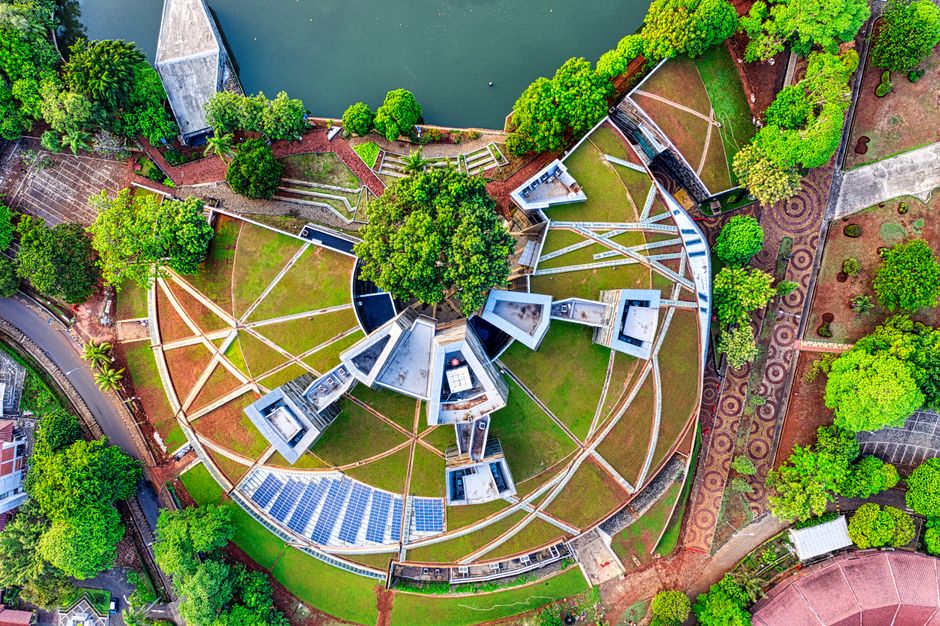
Sustainable architecture refers to the design and construction of buildings that minimize their environmental impact while maximizing efficiency and comfort. This approach encompasses various strategies, including energy-efficient systems, sustainable materials, and innovative designs that harmonize with their surroundings. According to the U.S. Green Building Council, buildings account for approximately 40% of the nation’s energy consumption; thus, adopting sustainable practices can lead to substantial reductions in energy use.
One key principle of sustainable architecture is the use of renewable resources. This includes materials sourced from sustainable forests, recycled products, and low-impact manufacturing processes. By prioritizing these materials, architects can reduce the carbon footprint of their buildings while promoting a circular economy. For instance, the incorporation of reclaimed wood not only provides aesthetic appeal but also significantly reduces the need for new timber, which is often harvested unsustainably.
Moreover, sustainable architecture emphasizes the importance of site analysis and orientation. By carefully considering the natural elements, such as sunlight and wind patterns, architects can design buildings that require less energy for heating and cooling. This can result in significant savings for both the environment and the occupants. In fact, studies have shown that buildings designed with sustainability in mind can reduce energy consumption by as much as 50% compared to conventional structures.
Challenges Faced by Sustainable Architecture Firms
Despite the benefits of sustainable architecture, firms in this niche face several challenges. One of the most significant obstacles is the higher initial costs associated with sustainable materials and technologies. Many clients may be hesitant to invest in green buildings due to the perceived expense, despite the long-term savings on energy and maintenance costs.
Additionally, there is often a lack of awareness and understanding of sustainable practices among clients and builders. This can lead to resistance against adopting innovative solutions. To counter this, sustainable architecture firms must focus on educating clients about the environmental and economic benefits of green building. By providing case studies and empirical data, architects can demonstrate how sustainability leads to enhanced property values and improved occupant health.
Another challenge is the regulatory environment, which can vary significantly by location. Some regions may not have adequate building codes or incentives that promote sustainable practices, making it difficult for firms to implement their designs. Advocacy for stronger regulations and incentives is crucial for the growth of sustainable architecture.
Innovations in Sustainable Architecture
Innovation is a hallmark of sustainable architecture. Firms are continually exploring new technologies and materials that can enhance their designs. One notable trend is the rise of smart buildings, equipped with advanced systems that optimize energy use and improve occupant comfort. For example, smart thermostats and automated lighting systems can significantly decrease energy consumption by adjusting to the needs of the occupants.
Additionally, sustainable architecture firms are increasingly integrating green roofs and living walls into their designs. These features not only provide insulation and reduce urban heat but also enhance biodiversity and improve air quality. By incorporating nature into the built environment, architects can create spaces that promote well-being and sustainability.
Another innovative approach is the use of prefabrication techniques, which allow buildings to be constructed off-site and assembled on location. This method can reduce waste, minimize construction time, and lower costs. Firms that utilize prefabrication are often able to deliver projects more efficiently while adhering to sustainable principles.
The Future of Sustainable Architecture
As public awareness of climate change grows, the demand for sustainable architecture is likely to increase. Future trends will likely include a greater emphasis on net-zero buildings, which generate as much energy as they consume. This ambitious goal will require collaboration among architects, engineers, and construction professionals, as well as ongoing advancements in technology.
The integration of biophilic design principles, which seek to connect people with nature, is also expected to play a crucial role in the future of architecture. This approach has been shown to enhance mental health, productivity, and overall well-being, making it an attractive option for both residential and commercial projects.
In conclusion, sustainable architecture firms are essential in navigating the challenges posed by climate change and resource depletion. Through innovative designs and practices, these firms are not only helping to build a more sustainable future but also enhancing the quality of life for communities. By supporting the growth of sustainable architecture, we can pave the way for a healthier planet.
For those interested in exploring the role of a sustainable architecture firm in your projects, consider reaching out to professionals who specialize in green design and construction.