Sheet metal fabrication is a vital process in various industries, from automotive to aerospace. Understanding the intricacies of this technique can enhance product quality, reduce costs, and improve design flexibility. In this article, we will explore the fundamental aspects of sheet metal fabrication, including its processes, materials, and applications.
Understanding Sheet Metal Fabrication
At its core, sheet metal fabrication refers to the process of transforming flat sheets of metal into specific shapes and structures. This transformation can involve various techniques such as cutting, bending, and assembling. The versatility of sheet metal makes it a popular choice among manufacturers, as it can be used to create everything from simple brackets to complex enclosures.
Different types of metals are used in sheet metal fabrication, including aluminum, steel, copper, and brass. The choice of material often depends on the application requirements, such as strength, weight, and corrosion resistance. For instance, aluminum is favored in the automotive industry for its lightweight properties, while stainless steel is commonly used in kitchen equipment due to its durability and resistance to corrosion.
Key Processes in Sheet Metal Fabrication
Several key processes define the sheet metal fabrication workflow. One of the primary methods is cutting, which can be accomplished through shearing, laser cutting, or waterjet cutting. Each method has its advantages; for example, laser cutting provides high precision and is ideal for complex designs.
Another significant process is bending, which shapes the metal using a press brake. This process allows for the creation of angles and folds, essential for assembling parts into functional components. The accuracy of bending is critical, as it directly affects the fit and functionality of the final product.
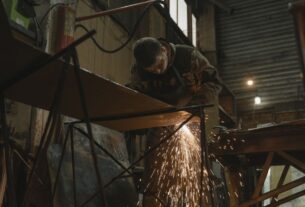
Lastly, assembling is a crucial stage in fabrication. This can involve welding, riveting, or using adhesives to join pieces together. The choice of joining method depends on the application and desired strength of the final assembly. For example, welding is often preferred for heavy-duty applications where strong joints are necessary.
Applications of Sheet Metal Fabrication
Sheet metal fabrication finds its applications across various sectors. In the automotive industry, it is used to create body panels, brackets, and structural components. The ability to produce lightweight yet strong parts helps manufacturers improve fuel efficiency and performance.
In the aerospace sector, sheet metal is essential for manufacturing components that withstand extreme conditions. Parts such as fuselage skins and wing structures are often fabricated from aluminum and titanium sheets due to their favorable strength-to-weight ratios.
Moreover, the construction industry utilizes sheet metal fabrication for roofing, siding, and HVAC systems. Customization options allow for innovative designs that enhance both functionality and aesthetic appeal.
The Future of Sheet Metal Fabrication
The future of sheet metal fabrication is poised for significant advancements, driven by technology and innovation. Automation and robotics are increasingly being integrated into fabrication processes, enhancing efficiency and precision. For example, automated bending machines can produce consistent results while minimizing human error.
Additionally, the adoption of advanced software for Computer-Aided Design (CAD) and Computer-Aided Manufacturing (CAM) is revolutionizing fabrication workflows. These tools enable designers to create intricate designs that can be directly translated into manufacturing processes, significantly reducing lead times.
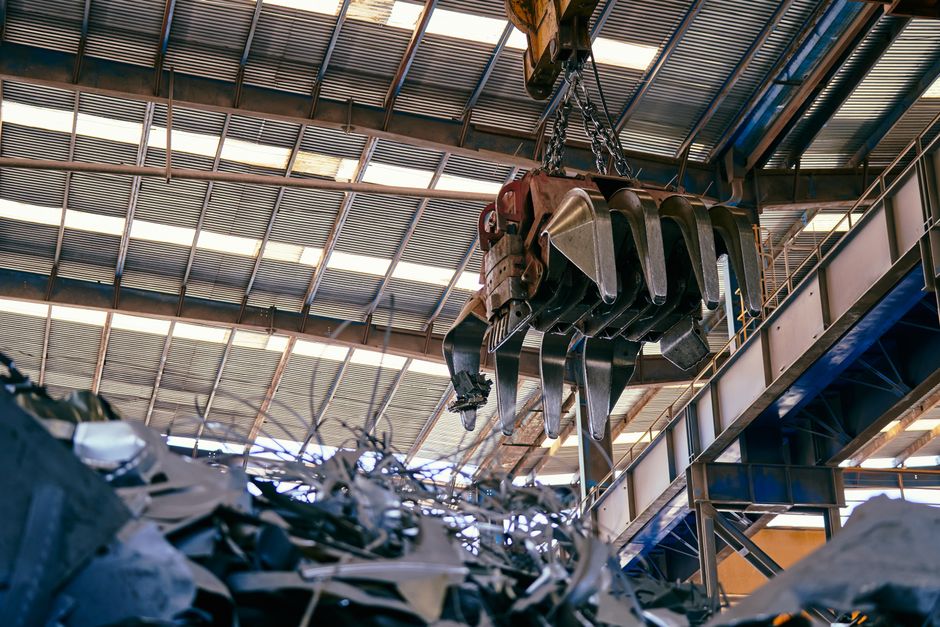
Furthermore, sustainability is becoming a critical consideration in sheet metal fabrication. Manufacturers are exploring ways to reduce waste and energy consumption. Techniques such as recycling scrap metal and using eco-friendly materials are gaining traction, aligning with global sustainability goals.
Conclusion
In conclusion, sheet metal fabrication is a multifaceted process that plays a crucial role in numerous industries. By understanding the key processes and applications, businesses can leverage the benefits of this technique to enhance their products and operations. As technology continues to evolve, the future of sheet metal fabrication holds great promise for innovation and sustainability. For those looking to delve deeper into the specifics of sheet metal fabrication, numerous resources are available to provide further insights.