
In today’s competitive automotive market, vehicle aesthetics play a crucial role in attracting customers and enhancing brand visibility. One of the most effective ways to achieve this is through car wrap services. Car wraps not only provide a fresh look to vehicles but also serve as a powerful marketing tool for businesses. In this article, we will explore the various aspects of car wrap services, including their benefits, types, and the process involved.
Understanding Car Wraps
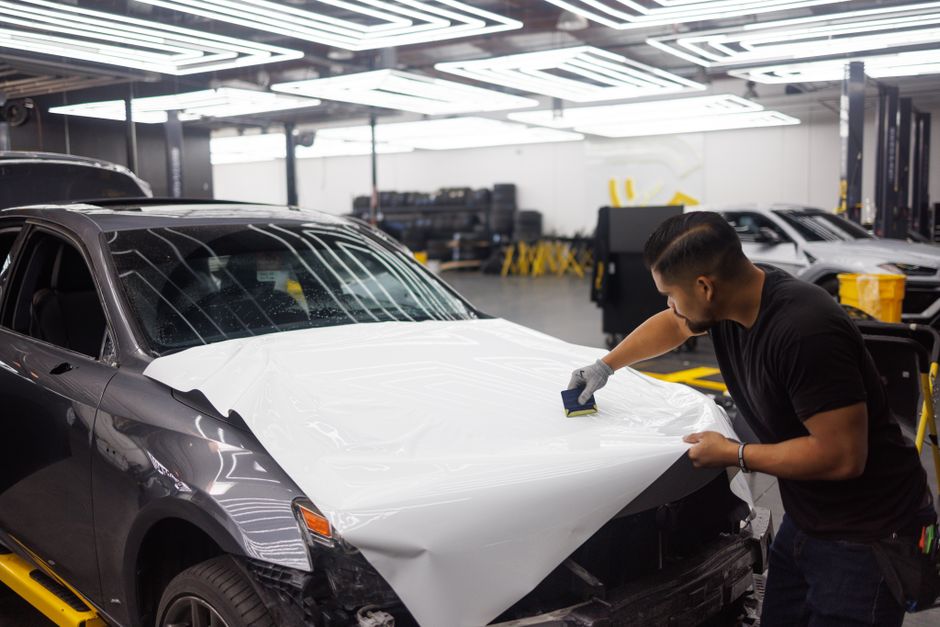
Car wraps are large vinyl graphics or decals that are applied to the exterior of a vehicle. This innovative approach allows for a complete transformation of the vehicle’s appearance without the need for a permanent paint job. Car wraps can be used for personal vehicles, corporate fleets, and promotional purposes.
One of the primary advantages of using car wraps is their versatility. They come in various colors, finishes, and textures, allowing vehicle owners to customize their look according to their preferences. Additionally, car wraps are easily removable, making them an ideal solution for those who may want to change their vehicle’s appearance in the future.
The Benefits of Car Wrap Services
Choosing a professional car wrap service offers numerous benefits. Firstly, car wraps provide a protective layer over the vehicle’s original paint. This helps to prevent scratches, UV rays, and other environmental factors from damaging the paintwork. As a result, the vehicle retains its resale value for a longer period.
Secondly, car wraps are a cost-effective alternative to a traditional paint job. A high-quality wrap can offer the same aesthetic appeal at a fraction of the cost, and the installation process is generally quicker and less invasive. Moreover, wraps can be designed to fit any style, allowing for greater creativity.
Furthermore, for businesses, car wraps serve as an excellent marketing tool. A well-designed wrap can turn a vehicle into a mobile billboard, reaching a wider audience without the recurring costs of traditional advertising. Statistics show that vehicle wraps can increase brand recognition by up to 97%, making them a powerful asset for business owners.
Types of Car Wraps
There are several types of car wraps available, each catering to different needs. The most common types include:
- Full Car Wraps: These cover the entire vehicle and are ideal for complete transformations.
- Partial Car Wraps: These are used to cover specific areas of the vehicle, such as the hood or doors, allowing for more subtle changes.
- Vinyl Decals: Smaller graphics or letters that can be placed on various parts of the vehicle for branding or decorative purposes.
Choosing the right type of wrap depends on the desired outcome and budget. A professional service can provide guidance on the best options based on individual needs.
The Car Wrap Process
The process of wrapping a vehicle involves several key steps. First, the vehicle needs to be thoroughly cleaned and prepped to ensure proper adhesion of the vinyl. This may include removing dirt, wax, and other contaminants.
Next, the design phase begins. Customers can work with designers to create a custom graphic that meets their vision. Once the design is finalized, the vinyl is printed and prepared for installation.
The installation itself requires skill and precision. Professional installers carefully apply the vinyl to the vehicle, ensuring that it adheres smoothly and without bubbles. After installation, a finishing process is performed to ensure the wrap is secure and looks flawless.
For those interested in utilizing a car wrap service, it is essential to choose a reputable provider with experience in the industry. This ensures that the wrap will be applied correctly and will last for years to come.
Maintaining Your Car Wrap
After investing in a car wrap, proper maintenance is crucial to prolong its life. Regular washing with mild soap and water is recommended, and it is best to avoid abrasive cleaners that may damage the vinyl.
Additionally, parked vehicles should be shielded from prolonged exposure to direct sunlight, as this can cause the colors to fade over time. A car cover can be an effective solution for those who wish to protect their investment.
Moreover, it is advisable to have the wrap checked periodically by professionals to ensure there are no issues with peeling or damage. With the right care, a car wrap can last anywhere from 3 to 7 years, making it a worthwhile investment.
Conclusion
Car wrap services offer an innovative and practical solution for vehicle customization and branding. With their ability to protect the vehicle’s original paint, provide cost-effective alternatives to painting, and enhance brand visibility, the benefits are clear. As businesses and individuals look for ways to stand out, professional car wraps have emerged as an indispensable tool in the automotive world. By understanding the types of wraps available and the process involved, anyone can successfully transform their vehicle into a stunning visual statement.