
As artificial intelligence continues to evolve, one of the fascinating developments is the emergence of AI image detectors. These sophisticated tools are designed to analyze and interpret images with remarkable accuracy, making them invaluable across various industries. From social media platforms to security systems, the applications of AI image detectors are vast and growing rapidly. In this article, we will delve into what AI image detectors are, how they work, and their significant implications for the future.
Understanding AI Image Detectors
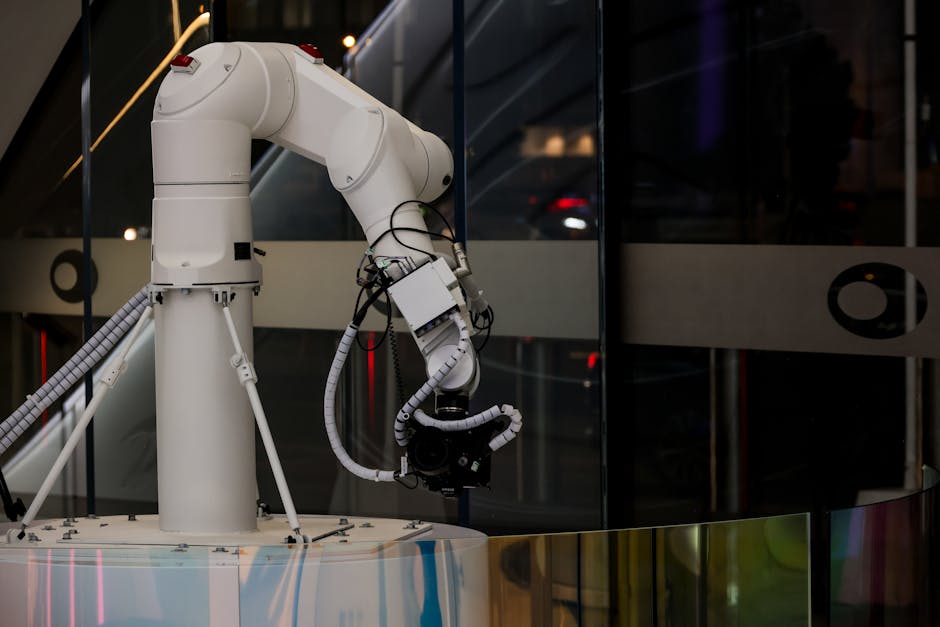
AI image detectors utilize deep learning algorithms to identify and categorize visual data. At their core, these systems are trained on large datasets containing millions of images, allowing them to recognize patterns and features. For instance, a detector might learn to distinguish between different types of objects, such as cars, animals, or buildings.
The technology behind these detectors often employs convolutional neural networks (CNNs), which mimic the way the human brain processes visual information. This allows AI image detectors to achieve high levels of accuracy, often surpassing human capabilities in certain tasks. For example, studies have shown that AI can detect specific objects in images with over 90% accuracy, making it a powerful tool for various applications.
Moreover, the adaptability of these systems is noteworthy. As new data becomes available, AI image detectors can continue to learn and improve their performance, making them increasingly effective over time.
Applications in Different Industries
The versatility of AI image detectors has led to their adoption across numerous sectors. In the realm of healthcare, for instance, these tools are used to analyze medical images, helping radiologists identify conditions such as tumors or fractures more quickly and accurately. A study published in the journal ‘Nature’ highlighted that AI systems could diagnose certain diseases from medical imaging as accurately as human experts.
In the retail industry, AI image detectors are transforming how businesses operate. By analyzing customer behavior through image recognition, retailers can optimize store layouts and enhance the shopping experience. For example, by tracking how customers interact with products, companies can make data-driven decisions that improve sales.
Additionally, the security sector benefits significantly from AI image detectors. These systems can analyze surveillance footage in real-time, identifying potential threats or unusual activities more efficiently than human operators. This capability not only enhances safety but also reduces the workload on security personnel.
Challenges and Ethical Considerations
Despite their advantages, the use of AI image detectors raises several challenges and ethical concerns. Privacy is a significant issue, as these systems often require access to vast amounts of personal data to function effectively. The potential for misuse of this data, especially in surveillance applications, has sparked debates about the balance between security and individual rights.
Moreover, the accuracy of AI image detectors is not infallible. There have been instances where these systems have misidentified individuals or objects, leading to serious consequences. For instance, a well-publicized case involved an AI system misidentifying a person in a security camera feed, resulting in wrongful accusations. Such incidents highlight the need for robust oversight and accountability in the deployment of AI technologies.
To mitigate these risks, it is crucial for developers and organizations to implement ethical guidelines and transparency in their AI practices. Ensuring that AI image detectors are used responsibly can help build public trust and maximize their benefits.
The Future of AI Image Detectors
The future of AI image detectors looks promising, with advancements in technology poised to enhance their capabilities further. As machine learning algorithms continue to evolve, we can expect even greater accuracy and efficiency in image recognition tasks. For example, upcoming AI models could integrate multi-modal learning, allowing them to analyze images in conjunction with other data types like text or audio.
Furthermore, the increasing demand for automation across industries will likely drive the adoption of AI image detectors. Businesses seeking to streamline operations and improve decision-making processes will find these tools indispensable. According to a report from MarketsandMarkets, the global AI image recognition market is expected to grow from $20 billion in 2020 to over $70 billion by 2026, reflecting the rising importance of this technology.
As AI image detectors become more commonplace, continuous research and development will be essential to address existing challenges and ensure the technology is used ethically and effectively.
Conclusion
AI image detectors are revolutionizing how we interact with visual data, offering unprecedented accuracy and efficiency across various sectors. Their applications in healthcare, retail, and security demonstrate their potential to enhance our daily lives significantly. However, as with any powerful technology, it is crucial to approach their deployment with caution and ethical consideration. By doing so, we can harness the capabilities of AI image detectors while safeguarding privacy and promoting responsible use. To explore more about this innovative technology, consider checking out an ai image detector that can suit your needs.