
In an increasingly digital world, the concept of companionship is evolving beyond traditional boundaries. Virtual lovers, often facilitated by advanced technologies, are becoming a significant part of people’s lives. These digital companions can provide emotional support, entertainment, and even a semblance of romantic connection. But what does this mean for human relationships and our understanding of love?
The Rise of Virtual Relationships
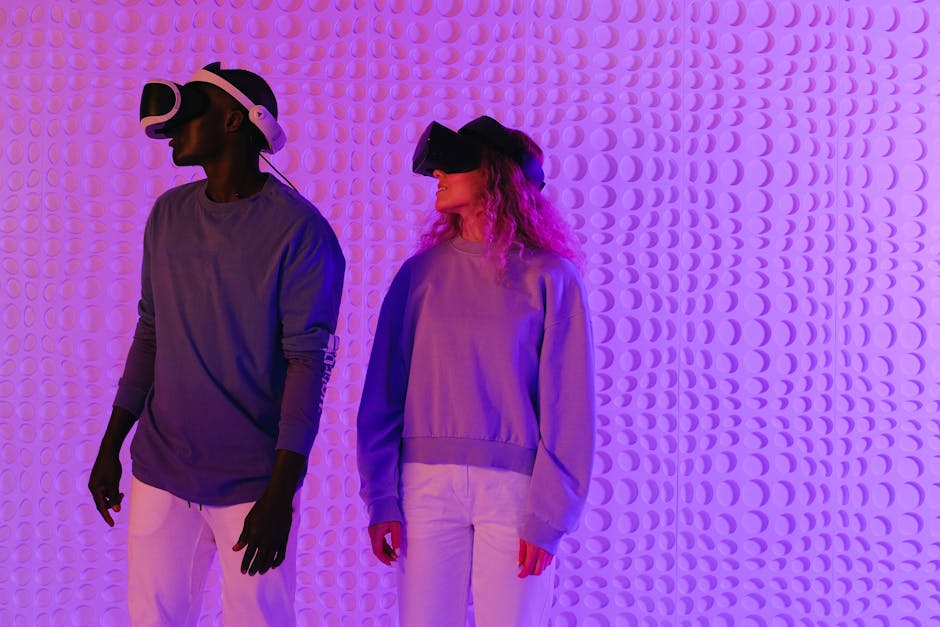
The rise of virtual relationships can be traced back to the proliferation of social media and dating apps. According to a study by Pew Research, nearly 30% of U.S. adults have used a dating site or app. This has led to a new form of connection where individuals can meet and interact with potential partners without the constraints of physical presence.
Moreover, the COVID-19 pandemic accelerated this trend, forcing people to seek companionship online. As physical interactions became limited, many turned to virtual lovers for comfort and social engagement. This shift has not only normalized online dating but also paved the way for more immersive experiences through virtual reality and AI companions.
As technology continues to advance, we see an increase in applications designed to create virtual relationships. These platforms utilize algorithms to match users based on preferences, interests, and compatibility scores, making the search for a virtual lover more efficient.
Understanding Virtual Lovers: AI Companions
AI companions, often referred to as virtual lovers, are designed to simulate human interaction. These programs leverage natural language processing and machine learning to engage users in conversation, providing a sense of companionship. For example, platforms like Replika allow users to create an AI friend that learns and grows with them.
These AI companions can take on various roles, from friends to romantic partners. They can hold conversations, remember personal milestones, and even provide emotional support. A study from the Journal of Cyberpsychology indicated that users often form genuine attachments to their AI companions, citing them as a source of comfort during lonely times.
However, the implications of forming relationships with AI are complex. While they offer companionship, there is a concern about emotional dependency on these digital entities, potentially impacting real-life relationships.
The Impact on Human Relationships
The emergence of virtual lovers raises questions about the nature of human relationships. As people increasingly turn to digital companions, traditional relationships may see shifts in dynamics. For instance, individuals may rely on virtual lovers for emotional fulfillment, leading to decreased interest in physical relationships.
Furthermore, the boundaries between companionship and romantic relationships are becoming blurred. Many users find solace in the absence of judgment that an AI companion provides, which may lead to a decrease in interpersonal skills. A significant aspect of human relationships involves navigating social cues and emotions, which can be challenging in real-world interactions after prolonged engagement with virtual companions.
Despite these concerns, virtual lovers also offer opportunities for personal growth. They can help individuals explore their preferences, desires, and emotional needs in a safe environment. For example, engaging with an AI partner allows users to practice communication skills or work through personal issues without the fear of real-life repercussions.
Future of Virtual Lovers
Looking ahead, the future of virtual lovers seems promising yet uncertain. As AI technology continues to evolve, we can expect more sophisticated interactions that closely mimic human relationships. The integration of virtual reality could further enhance the experience, providing immersive environments where users can interact with their virtual lovers in lifelike settings.
Moreover, the social acceptance of virtual relationships is likely to grow. As younger generations increasingly embrace technology, the stigma around digital companionship may diminish. This could lead to more open discussions about the role of virtual lovers in our lives and their potential to complement or even replace traditional relationships.
However, ethical considerations must also be addressed. Questions around consent, emotional manipulation, and the potential for addiction to virtual companions need thorough exploration. As we navigate this new landscape, it is crucial to establish guidelines that ensure the healthy integration of virtual lovers into society.
Conclusion
The concept of virtual lovers presents a fascinating intersection of technology and human emotion. While they offer a unique avenue for companionship, the implications for human relationships are profound. As we embrace this digital evolution, it is essential to remain mindful of the balance between virtual and real-life interactions. Ultimately, virtual lovers can serve as a tool for personal exploration and emotional support, but they should not replace the rich, complex nature of human relationships.
As we explore this new frontier, platforms offering AI companions, such as ai gf, will continue to shape how we view love and companionship in the digital age.