
The luxury goods market has witnessed a dramatic transformation in recent years, leading to a surge in the popularity of luxury brand resellers. As consumers become increasingly savvy and selective, the demand for authentic, high-quality second-hand luxury items has skyrocketed. This article delves into the intricacies of the luxury brand resale market, exploring its impact on consumers, the environment, and the broader retail landscape.
Understanding the Luxury Resale Market
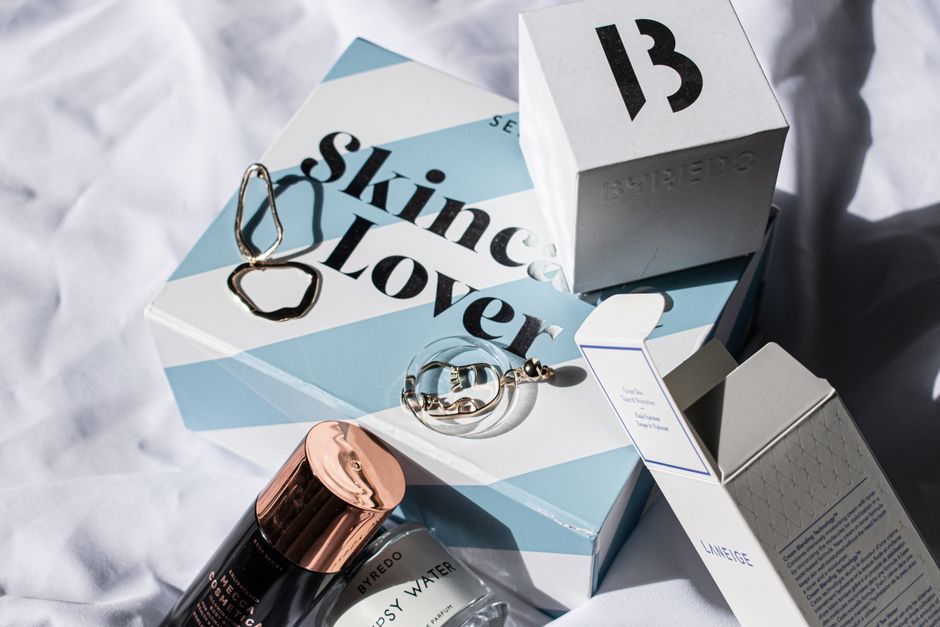
The luxury resale market is defined by the buying and selling of pre-owned luxury items, ranging from designer handbags to high-end fashion apparel. According to recent reports, the global luxury resale market is projected to reach approximately $64 billion by 2025, reflecting a significant growth trend. This shift can be attributed to several factors, including changing consumer attitudes, sustainability concerns, and the rise of digital platforms that facilitate the resale process.
One of the key drivers of this market is the increasing awareness among consumers about sustainability and conscious shopping. Many individuals are now prioritizing ethical consumption, seeking ways to reduce waste and extend the lifecycle of luxury products. As a result, luxury brand resellers have emerged as vital players in promoting sustainable fashion practices.
The Role of Technology in Resale
Technology has played a pivotal role in the growth of the luxury resale market. Online platforms, mobile apps, and social media have made it easier than ever for consumers to buy and sell pre-owned luxury goods. Websites such as The RealReal, Vestiaire Collective, and Poshmark have created user-friendly interfaces that connect buyers and sellers, providing a safe and convenient environment for transactions.
Furthermore, advancements in authentication technology have bolstered consumer confidence in purchasing pre-owned luxury items. Resellers often employ experts to verify the authenticity of products, ensuring that buyers receive genuine items. This focus on trust and transparency has been crucial in attracting a broader audience to the resale market.
Challenges Facing Luxury Brand Resellers
Despite the burgeoning nature of the luxury resale market, resellers face several challenges that can impact their operations. One of the most significant hurdles is the issue of counterfeit goods. The luxury sector is notorious for the prevalence of fakes, and resellers must remain vigilant to protect their reputation and customer trust. Implementing rigorous authentication processes is essential to mitigate this risk.
Additionally, luxury brand resellers must navigate the complexities of pricing and valuation. Determining the right price for a pre-owned item can be challenging, as it requires a deep understanding of market trends, brand value, and consumer demand. Resellers often rely on data analytics to inform their pricing strategies, ensuring they remain competitive while maximizing profitability.
Consumer Trends in Luxury Resale
Consumer behavior in the luxury resale market has evolved significantly over the past few years. Younger generations, particularly Millennials and Gen Z, are driving the demand for second-hand luxury items. These consumers prioritize unique finds and value for money, often seeking out rare or discontinued items that may not be available in traditional retail settings.
The appeal of luxury resale extends beyond just affordability; it also encompasses the thrill of the hunt. Many shoppers enjoy the process of browsing resale sites, searching for hidden gems, and discovering unique pieces that reflect their personal style. This trend has contributed to the rise of luxury brand resellers, who cater to this desire for individuality in fashion.
The Future of Luxury Brand Resellers
As the luxury resale market continues to grow, it will be interesting to see how traditional luxury brands respond. Some brands have begun to embrace the resale model by partnering with resellers or launching their own official resale platforms. This shift indicates a recognition of the changing consumer landscape and the potential for collaboration rather than competition.
Moreover, the integration of sustainability practices will likely play a significant role in shaping the future of luxury resale. Brands and resellers that prioritize eco-friendly initiatives and promote circular fashion will resonate with consumers who are increasingly concerned about the environmental impact of their purchasing decisions.
Conclusion
The luxury brand resale market is poised for continued growth, driven by changing consumer habits and technological advancements. As more individuals seek sustainable and unique fashion choices, luxury brand resellers will play an essential role in the retail ecosystem. By navigating the challenges of authenticity, pricing, and consumer preferences, resellers can thrive in this dynamic landscape. To explore the world of luxury brand reselling, consider connecting with a reputable luxury brand reseller and discover the potential of pre-owned luxury goods.