
The luxury fashion industry has experienced a significant transformation in recent years, with the emergence of luxury brand resellers taking center stage. These platforms provide consumers with access to high-end products at more competitive prices while also catering to the growing demand for sustainable fashion practices. In this article, we will delve into the world of luxury brand resellers, exploring their impact on the fashion market, the benefits they offer to consumers, and the challenges they face.
Understanding Luxury Brand Resellers
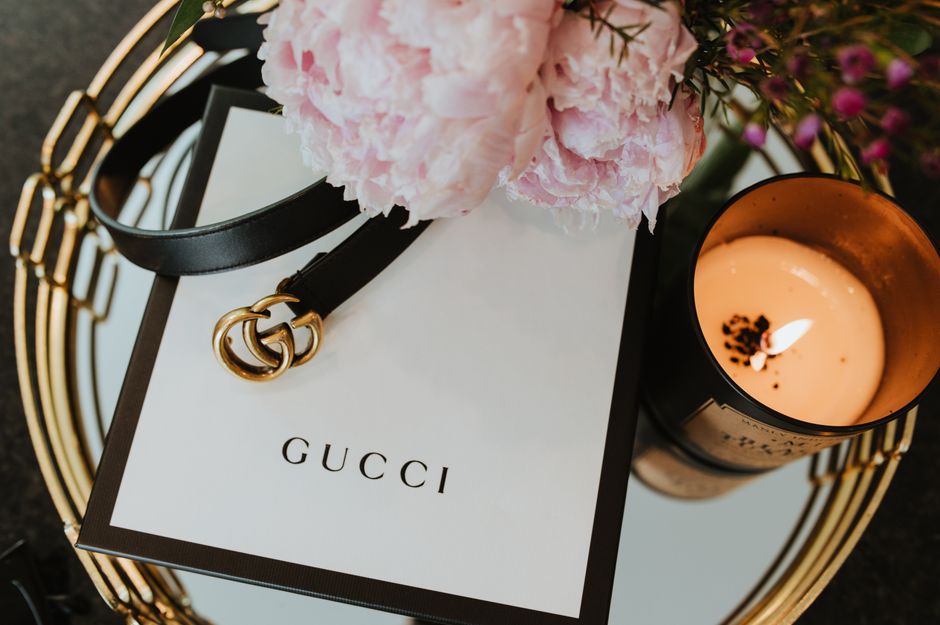
Luxury brand resellers are businesses or platforms that specialize in the resale of pre-owned high-end fashion items. They serve as intermediaries between sellers who wish to offload their luxury goods and buyers looking for bargains on designer products. This model has gained traction due to the increasing popularity of second-hand shopping and the desire for sustainable consumption.
According to a report from ThredUp, the second-hand market is expected to reach $64 billion by 2024, indicating a shift in consumer behavior towards pre-owned goods. This trend reflects a growing awareness of environmental issues and a desire to make more ethical purchasing decisions. Luxury brand resellers are capitalizing on this shift, offering curated selections of items that meet specific quality standards.
In recent years, platforms like The RealReal and Vestiaire Collective have gained significant traction, providing consumers with an easy way to buy and sell luxury items. These platforms authenticate products, ensuring that buyers receive genuine items, which builds trust and encourages more transactions.
Benefits of Buying from Luxury Brand Resellers
One of the primary benefits of purchasing from luxury brand resellers is the potential for significant cost savings. Many consumers are drawn to these platforms because they can find designer items at a fraction of the original price. For instance, a luxury handbag that retails for $3,000 might be available for $1,500 on a resale platform, making high-end fashion more accessible.
Additionally, luxury brand resellers often provide a curated shopping experience, with a selection of items that meet specific quality and authenticity standards. This can save consumers time and effort in searching for genuine designer pieces. Furthermore, many platforms offer user-friendly interfaces that make browsing and purchasing a hassle-free experience.
Another important aspect is the sustainability factor. By opting for pre-owned luxury goods, consumers contribute to a circular economy, reducing waste and the demand for new production. This aligns with the growing trend of conscious consumerism, where shoppers prioritize ethical and sustainable choices.
Challenges Faced by Luxury Brand Resellers
Despite the growth and popularity of luxury brand resellers, they face several challenges in the competitive fashion market. One major hurdle is the issue of authenticity. While many reputable platforms have established stringent authentication processes, the risk of counterfeit products remains a concern. Resellers must continually invest in technology and expertise to ensure that they can effectively authenticate items.
Additionally, the luxury fashion market is highly volatile, with trends changing rapidly. Resellers must stay ahead of consumer preferences to maintain their inventory’s attractiveness. This requires a deep understanding of the market and the ability to predict which items will be in demand.
Another challenge is competition. As the resale market grows, more players enter the field, making it essential for existing resellers to differentiate themselves. Offering unique services, such as personalized shopping experiences or exclusive partnerships with designers, can help them stand out in a crowded market.
The Future of Luxury Brand Reselling
Looking ahead, the future of luxury brand resellers seems promising. As more consumers embrace the concept of buying second-hand luxury goods, the market is likely to continue expanding. Innovations in technology, such as AI and blockchain, may further enhance the authentication processes and improve the overall shopping experience.
Moreover, collaborations between luxury brands and resale platforms are becoming more common. Many high-end brands are recognizing the value of participating in the resale market as a way to engage with consumers and promote sustainability. This could lead to a more integrated approach to luxury fashion, where brands support the resale of their products rather than viewing it as a threat.
In conclusion, the rise of luxury brand resellers represents a significant shift in the fashion industry. These platforms not only provide consumers with access to high-end products at lower prices but also promote sustainable practices. As the market continues to evolve, it will be fascinating to see how luxury brand resellers adapt and thrive in this dynamic environment. For those looking to explore this exciting sector, visiting a reputable luxury brand reseller can be a great starting point.
Conclusion
The luxury brand reseller market is more than just a trend; it signifies a fundamental change in how consumers approach fashion. With the benefits of cost savings, sustainability, and curated selections, it’s no surprise that this sector is gaining momentum. However, the challenges faced by resellers highlight the need for continued innovation and adaptation. As we move forward, the interplay between luxury brands and resale platforms will shape the future of the fashion industry, making it a space to watch closely.