
In today’s dynamic marketplace, the role of distributors has become increasingly vital. They act as intermediaries between manufacturers and retailers, ensuring that products reach the end consumer efficiently. This article delves into the multifaceted responsibilities of distributors, their impact on supply chains, and the evolving trends that are shaping their operations.
The Function of Distributors
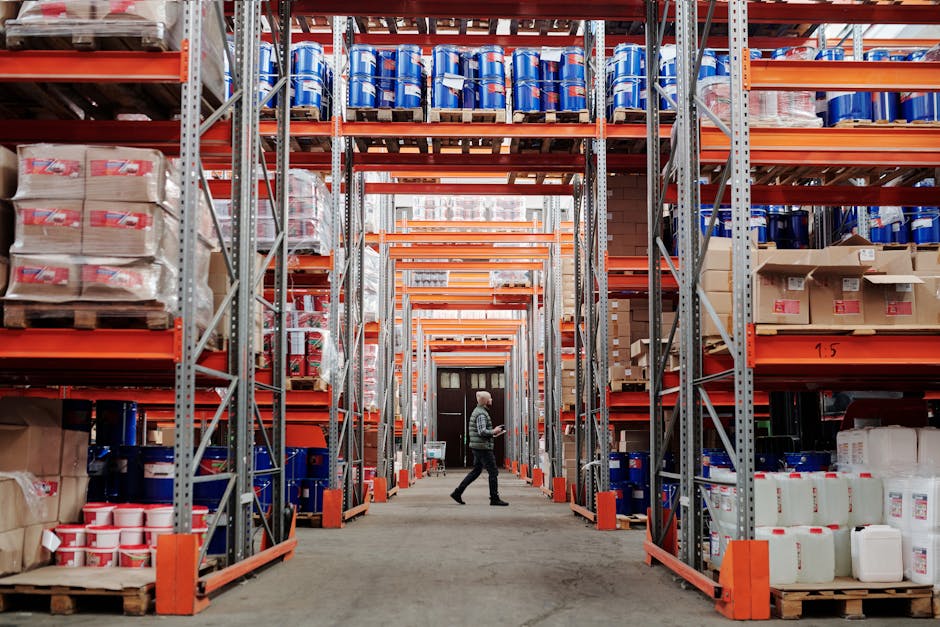
Distributors serve as a crucial link in the supply chain. Their main function is to purchase products in bulk from manufacturers and sell them to retailers or directly to consumers. This process not only helps manufacturers reduce their operational costs but also enables retailers to focus on sales and customer service rather than inventory management. For instance, a distributor might handle logistics, warehousing, and inventory management, allowing manufacturers to allocate resources towards production and innovation.
Moreover, distributors often provide valuable market insights to manufacturers. They have firsthand knowledge of consumer preferences, market trends, and competitive landscapes. This feedback loop can lead to improved product offerings and targeted marketing strategies. In this context, distributors function not just as sales agents but as essential partners in the product development process.
Types of Distributors
There are several types of distributors, each serving different sectors and fulfilling specific roles. Broadline distributors offer a wide range of products across various categories, while specialty distributors focus on specific niches, such as electronics or medical supplies. Additionally, there are exclusive distributors who have exclusive rights to sell a manufacturer’s products in a particular area.
Online distributors have also emerged as a significant force in recent years. With the rise of e-commerce, many distributors are now operating online platforms, enabling them to reach a broader audience. This shift has not only expanded their market reach but has also changed the way they interact with customers. E-commerce distributors often leverage technology to streamline operations and enhance customer experience, providing real-time analytics and inventory updates.
The Impact of Technology on Distribution
Technology is transforming the distribution landscape. Automation, artificial intelligence (AI), and advanced analytics are enabling distributors to optimize their operations. For example, AI can be used for demand forecasting, helping distributors manage inventory more effectively and reduce costs associated with overstock or stockouts.
Moreover, technologies such as blockchain are being explored for their potential to improve transparency and traceability in supply chains. By providing a secure and immutable record of transactions, blockchain can enhance trust between manufacturers, distributors, and retailers. This technological evolution not only improves efficiency but also enhances the overall reliability of the distribution process.
Challenges Faced by Distributors
Despite their essential role, distributors face several challenges. Competition is fierce, particularly with the rise of direct-to-consumer sales models. Many manufacturers are bypassing traditional distribution channels to sell directly to consumers, which can erode the distributor’s market share.
Additionally, fluctuations in demand, supply chain disruptions, and rising logistics costs can pose significant hurdles. For example, during the COVID-19 pandemic, many distributors faced unprecedented challenges due to supply chain disruptions and changing consumer behaviors. Adapting to these changes requires agility and innovation, emphasizing the need for distributors to stay informed about market trends and consumer preferences.
The Future of Distribution
The future of distribution is likely to be shaped by ongoing technological advancements and changing consumer behaviors. As consumers increasingly demand faster delivery and personalized experiences, distributors will need to adapt their operations accordingly. This may involve investing in advanced logistics solutions, such as drone delivery or autonomous vehicles, to meet consumer expectations.
Moreover, sustainability is becoming a critical factor in distribution strategies. Consumers are increasingly concerned about the environmental impact of their purchases, prompting distributors to consider more eco-friendly practices. This includes optimizing transportation routes to reduce carbon emissions and partnering with manufacturers who prioritize sustainable production methods.
In conclusion, distributors play a pivotal role in the modern supply chain, acting as intermediaries that facilitate the flow of goods from manufacturers to consumers. As they navigate challenges and embrace technological innovations, their ability to adapt will determine their success in the evolving marketplace. As an example of their adaptability, some distributors are now exploring new product offerings, such as dmso gel, to meet changing consumer needs and preferences.