
The quest for a fuller head of hair has led many individuals to explore various options, with hair transplant procedures becoming increasingly popular. Whether due to hereditary factors, health issues, or environmental influences, hair loss affects millions of people worldwide. This article delves into the intricacies of hair transplant procedures, examining different techniques, their benefits, and important considerations for potential candidates.
What is a Hair Transplant?
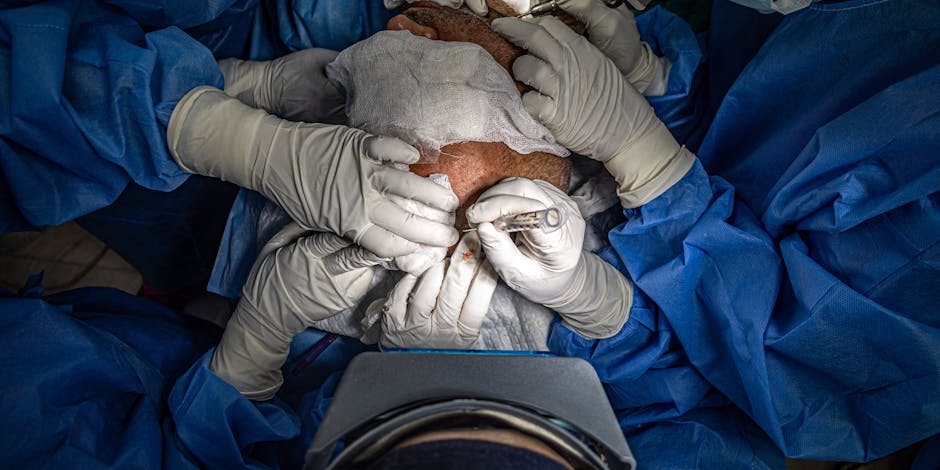
A hair transplant is a surgical procedure that involves relocating hair follicles from one part of the body, commonly referred to as the donor site, to an area experiencing hair loss or thinning, known as the recipient site. This method is widely recognized for its effectiveness in restoring hair and improving the overall appearance of individuals suffering from hair loss.
Typically, the two most common techniques used in hair transplantation are Follicular Unit Extraction (FUE) and Follicular Unit Transplantation (FUT). FUE involves extracting individual hair follicles directly from the scalp, while FUT involves removing a strip of scalp tissue containing hair follicles which are then dissected into individual grafts.
Understanding these techniques is crucial for patients considering a hair transplant, as each method comes with its own set of advantages and potential drawbacks.
Benefits of Hair Transplantation
One of the primary benefits of hair transplantation is the natural appearance of the results. Since hair follicles are taken from the patient’s own scalp, the transplanted hair blends seamlessly with existing hair, providing a natural look that is often indistinguishable from non-transplanted hair.
Furthermore, hair transplants can boost self-esteem and confidence. Many patients report feeling more youthful and attractive after undergoing the procedure, which can have a positive impact on their personal and professional lives. Studies indicate that individuals who have undergone hair transplants experience significant improvements in their quality of life.
In addition, hair transplants are considered a permanent solution to hair loss. Unlike topical treatments or medications that require ongoing use, transplanted hair is typically permanent and grows naturally over time.
Who is a Suitable Candidate for Hair Transplantation?
Not everyone is an ideal candidate for hair transplantation. Factors such as the extent of hair loss, the presence of sufficient donor hair, and overall health play a significant role in determining candidacy. Generally, individuals with androgenetic alopecia, commonly known as male or female pattern baldness, are the best candidates.
Age is also a consideration; younger individuals may not be ideal candidates due to the unpredictability of future hair loss patterns. It is often recommended that candidates be at least in their mid-20s when considering a hair transplant.
Consultation with a qualified hair transplant surgeon is essential to assess individual circumstances and determine the best course of action.
Preparing for the Procedure
Preparation for a hair transplant involves several steps to ensure optimal results. Patients are typically advised to avoid blood thinners, alcohol, and smoking for a few weeks prior to the procedure, as these can interfere with the healing process.
Furthermore, a detailed pre-operative assessment is crucial. This may include blood tests and discussions about medications, allergies, and medical history to ensure that the patient is physically fit for surgery.
Setting realistic expectations is also a vital part of the preparation process. Patients should understand that results may vary, and it can take several months to see the final outcome of the transplant.
Post-Operative Care and Recovery
Post-operative care is critical to the success of a hair transplant. Patients are usually given specific instructions that include how to care for the scalp, manage pain, and avoid activities that could disrupt the healing process.
It is common for patients to experience some swelling and discomfort following the procedure, but these symptoms typically subside within a few days. Additionally, patients are advised to avoid sun exposure and strenuous exercise for a few weeks to ensure proper healing.
Regular follow-up appointments with the surgeon are essential to monitor progress and address any concerns that may arise during recovery.
Exploring Global Options for Hair Transplant
As the demand for hair transplant procedures increases, many individuals are exploring options abroad for cost-effective solutions. Countries like Turkey have gained popularity for their advanced techniques and competitive pricing. Patients seeking quality care may find appealing options in destinations known for medical tourism, including hair transplant turkey.
When considering overseas procedures, it is crucial to conduct thorough research to ensure the clinic’s accreditation, the surgeon’s qualifications, and patient reviews to guarantee a safe and effective experience.
Conclusion
Hair transplantation offers a promising solution for individuals grappling with hair loss, providing a natural appearance and lasting results. Understanding the various techniques, benefits, and considerations associated with the procedure is vital for anyone contemplating this journey. As the landscape of hair restoration evolves, being informed and prepared will empower individuals to make the best decisions for their unique situations.