
Child therapy has become an essential tool for helping young individuals navigate the complexities of their emotional and psychological worlds. As children grow, they often encounter various challenges that can affect their mental health. From anxiety and depression to behavioral issues and trauma, the need for specialized therapeutic approaches is more significant than ever. This article aims to explore the different facets of child therapy, its methodologies, and its impact on children’s development.
What is Child Therapy?
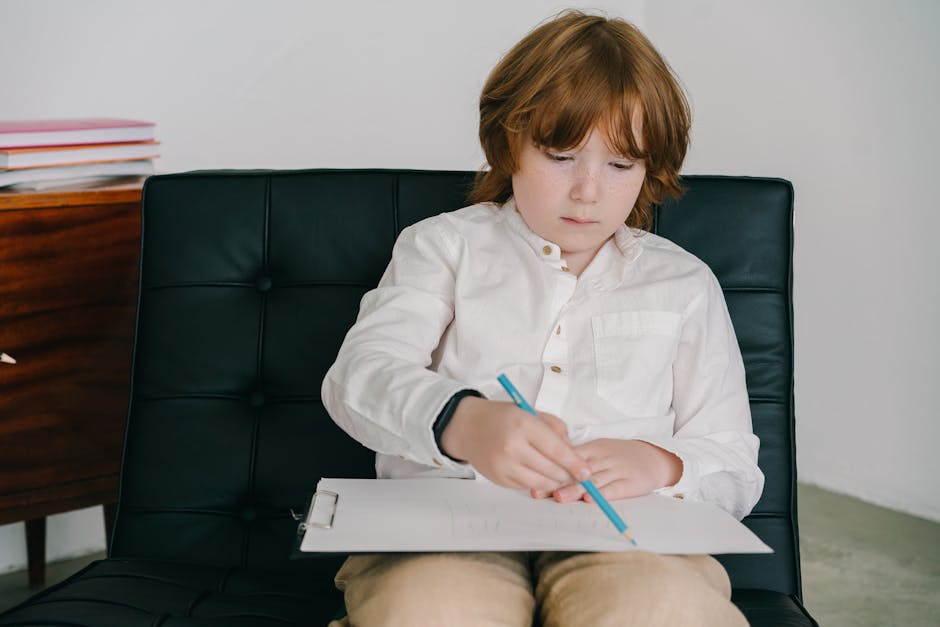
Child therapy, often referred to as pediatric psychotherapy, is a specialized form of therapy designed to address the emotional and psychological needs of children. Unlike traditional therapy for adults, child therapy often incorporates play and creative activities to help children express their feelings and thoughts in a safe environment. This approach recognizes that children may not have the vocabulary to articulate their emotions and instead uses play as a medium for communication.
In recent years, the field of child therapy has expanded significantly, incorporating various evidence-based practices to cater to the unique needs of children. Common modalities used in child therapy include Cognitive Behavioral Therapy (CBT), play therapy, and family therapy. Each method aims to equip children with coping strategies and emotional resilience to face life’s challenges.
The Importance of Early Intervention
One of the critical aspects of child therapy is the importance of early intervention. Research has shown that the sooner a child receives help for their emotional or behavioral issues, the better the outcomes will be. Early intervention can prevent more severe problems from developing later in life, such as chronic anxiety, depression, or behavioral disorders.
Statistics indicate that approximately 1 in 5 children experience a mental health disorder at some point during their childhood. This alarming figure underscores the need for parents and caregivers to be vigilant about their child’s emotional well-being. By recognizing signs of distress early on, caregivers can seek appropriate therapeutic interventions that can lead to healthier development.
Common Issues Addressed in Child Therapy
Child therapy can address a wide range of issues that children may face. Some of the most common problems include anxiety disorders, depression, attention-deficit/hyperactivity disorder (ADHD), and trauma-related issues. Each of these challenges can manifest in various ways, and a trained therapist can help identify the underlying causes and develop an effective treatment plan.
For instance, children dealing with anxiety may exhibit behaviors such as excessive worrying, avoidance of certain situations, or physical symptoms like stomachaches. Through therapy, children can learn techniques to manage their anxiety, such as deep breathing exercises and cognitive restructuring. On the other hand, children who have experienced trauma may benefit from trauma-informed approaches that focus on creating a safe space for healing.
Involving Parents and Caregivers
Another crucial component of child therapy is the involvement of parents and caregivers. Children do not exist in isolation; their family environment significantly impacts their emotional health. Therefore, therapists often work closely with families to ensure that everyone is on the same page regarding treatment goals and strategies.
Family therapy sessions can help improve communication, resolve conflicts, and foster a supportive home environment. When parents understand the therapeutic process, they can reinforce the skills and strategies their child learns in therapy, making the healing process more effective. Studies have shown that family involvement in therapy can lead to better outcomes for children, highlighting the importance of a holistic approach.
Choosing the Right Therapist
Finding the right therapist for a child can be a daunting task. Parents should look for professionals who specialize in child therapy and have experience working with the specific issues their child is facing. It is essential to consider the therapist’s qualifications, therapeutic approach, and compatibility with the child.
Building a trusting relationship between the therapist and the child is vital for effective therapy. A good therapist will create a safe, non-judgmental space where the child feels comfortable expressing their feelings. Additionally, parents may want to seek recommendations from pediatricians or school counselors, as they often have insights into local resources and qualified professionals.
For those interested in specific methodologies, exploring options like Applied Behavior Analysis (ABA) can be beneficial. ABA is a structured approach often used for children on the autism spectrum, focusing on improving specific behaviors and communication skills. To learn more about this method, you can visit What is ABA therapy.
Conclusion
In conclusion, child therapy plays a vital role in helping young individuals navigate their emotional and psychological challenges. Early intervention, understanding common issues, involving parents, and selecting the right therapist are all crucial components of a successful therapeutic journey. As society continues to recognize the importance of mental health, child therapy will remain an essential resource for fostering resilience and well-being in children. By addressing emotional issues early on, we can pave the way for healthier, happier futures for our youth.