
Excavators are essential machinery in the construction and mining industries, enabling operators to execute a variety of tasks efficiently. Whether you’re a contractor, a construction manager, or a DIY enthusiast, knowing how to rent an excavator can significantly impact your project’s success. This guide will delve into the ins and outs of excavator rental, providing you with valuable insights to make informed decisions.
Understanding Excavator Types
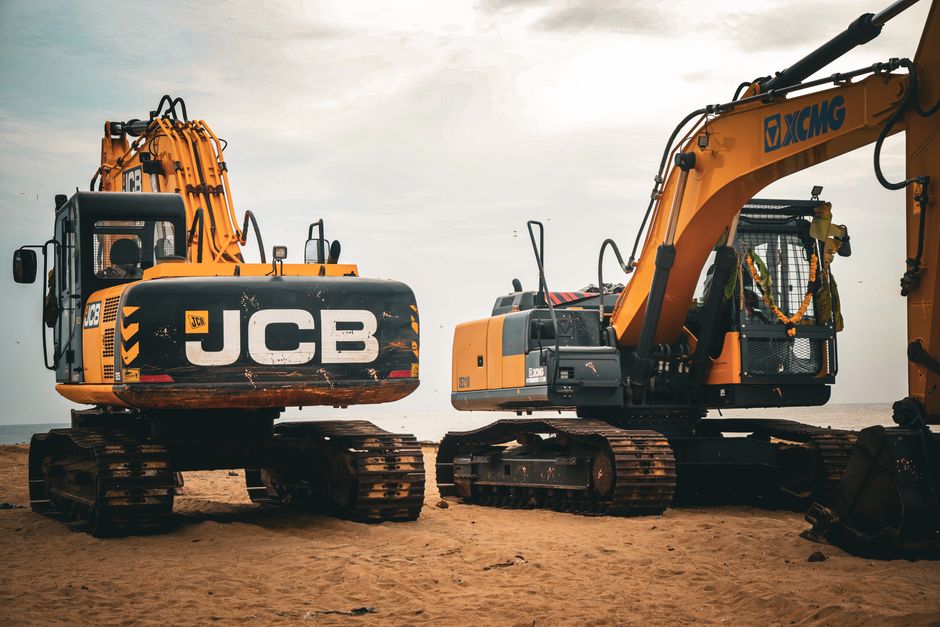
Before renting an excavator, it’s crucial to understand the various types available. Excavators come in several shapes and sizes, each designed for specific tasks. For instance, mini excavators are perfect for small-scale projects, allowing for maneuverability in tight spaces. On the other hand, standard excavators are suited for larger jobs, providing more power and digging depth.
Furthermore, specialized excavators like long-reach excavators are used for projects that require extended reach, while wheeled excavators offer mobility on paved surfaces. Understanding your project’s requirements will help you select the right type of excavator for optimal efficiency.
Evaluating Rental Companies
Choosing a reputable rental company is vital for ensuring you receive quality equipment and support. Start by researching local rental companies that specialize in construction machinery. Look for online reviews, testimonials, and industry ratings to gauge their reliability.
It’s also beneficial to visit the rental company in person if possible. This allows you to inspect their fleet of excavators and assess their maintenance practices. A well-maintained machine is crucial for minimizing downtime and ensuring safety on the job site.
Cost Considerations
The cost of renting an excavator varies based on several factors, including the type of machine, rental duration, and additional services. Generally, rental rates can range from $200 to over $1,000 per day. It’s essential to compare quotes from multiple rental companies to find the best deal.
Additionally, consider the costs associated with fuel, insurance, and transportation. Some rental companies may offer packages that include these additional costs, providing you with a more transparent pricing structure. By understanding the total cost of rental, you can budget effectively and avoid unexpected expenses.
Safety and Training
Safety should always be a priority when operating heavy machinery like excavators. Before renting an excavator, ensure that you or your operators have the necessary training and certifications. Many rental companies offer training services or can recommend certified training programs.
Moreover, familiarize yourself with the safety features of the excavator. Modern machines come equipped with various safety mechanisms, including backup alarms, stability systems, and operator presence sensors. Understanding how to utilize these features can help prevent accidents and ensure a safe working environment.
Making the Rental Process Smooth
To make the rental process as smooth as possible, start by preparing a checklist of your project needs. This checklist should include the type of excavator, rental duration, and any additional attachments required. Having this information ready will streamline discussions with rental companies.
When finalizing your rental agreement, pay attention to the terms and conditions. Make sure to understand the policies regarding damage, maintenance responsibilities, and return procedures. A clear understanding of these factors will help you avoid potential disputes or extra charges.
For those who want to ensure they have the right equipment for their projects, excavator rental options are available that cater to diverse needs.
Conclusion
In conclusion, renting an excavator can greatly enhance the efficiency of your construction projects. By understanding the different types of excavators, evaluating rental companies, considering costs, prioritizing safety, and preparing for a smooth rental process, you can make informed decisions that lead to successful project outcomes. Whether you’re a seasoned contractor or a first-time renter, following these guidelines will ensure that you have the right equipment at your disposal.