
In the intricate world of commerce, the role of distributors is often understated yet vital to the success of supply chains and market access. Distributors serve as the crucial link between manufacturers and retailers, facilitating the movement of goods and services. Understanding this role can help businesses optimize their operations and enhance their market strategies.
Understanding the Distributor’s Role
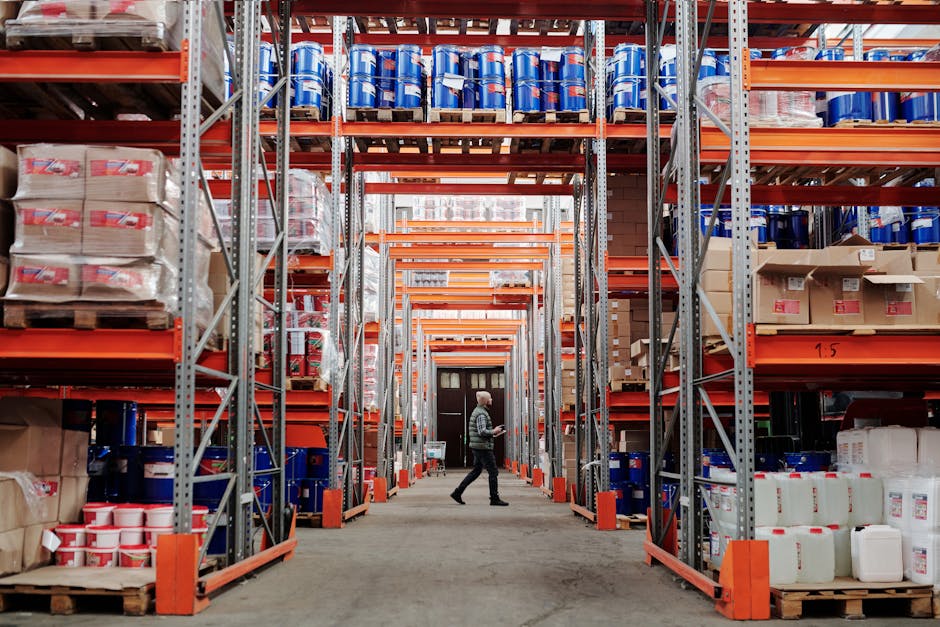
At its core, a distributor is an intermediary entity that purchases goods from manufacturers and sells them to retailers or directly to consumers. This role is essential in ensuring that products reach the market efficiently. Distributors often handle logistics, storage, and inventory management, which allows manufacturers to focus on production.
Moreover, distributors often provide value-added services such as marketing support, customer service, and technical assistance. They are not just passive agents; rather, they actively participate in the sales process by promoting products to retailers and end-users. This involvement can significantly impact a product’s success in the market.
For instance, a company that manufactures electronic gadgets might rely on a distributor to manage its stock in various regions, ensuring that retailers have enough supply to meet consumer demand. Without this distributor’s coordination, the manufacturer could face stockouts and lost sales opportunities.
The Benefits of Using Distributors
Utilizing distributors comes with a host of advantages. Firstly, they can reduce the burden of logistics management for manufacturers. By outsourcing this aspect to a distributor, companies can save time and resources, allowing them to concentrate on their core competencies.
Secondly, distributors often have established relationships with retailers, which can lead to quicker market penetration for new products. These relationships can be invaluable, particularly in competitive markets where brand loyalty and shelf space are hard to come by.
Additionally, distributors can provide critical market insights. They are often closer to the end consumer and can relay feedback regarding market trends, consumer preferences, and competitive actions back to the manufacturers. This information is crucial for businesses to adapt their strategies and enhance their product offerings.
Challenges Faced by Distributors
While distributors play an essential role, they also face several challenges. One significant challenge is managing inventory levels. Distributors must balance having enough stock to meet demand while avoiding overstocking, which can lead to increased costs and waste.
Another challenge is navigating the complexities of supply chain management. Distributors must coordinate with multiple manufacturers and retailers, which can lead to logistical hurdles. Effective communication and technology solutions are vital in overcoming these issues.
Furthermore, the rise of e-commerce has transformed the distribution landscape. Many manufacturers are beginning to sell directly to consumers, which can threaten the traditional distributor model. Distributors must adapt to these changes by offering unique services or focusing on niche markets to remain relevant.
Future Trends in Distribution
The distribution landscape is evolving rapidly, influenced by technology and changing consumer behaviors. One significant trend is the increased use of data analytics. Distributors are leveraging data to optimize inventory management, forecast demand, and enhance customer service.
Moreover, the growth of e-commerce has led to the emergence of new distribution models, such as drop shipping and third-party logistics. These models offer flexibility and can reduce overhead costs, making them attractive options for many businesses.
Another trend is the focus on sustainability. As consumers become more environmentally conscious, distributors are exploring ways to reduce their carbon footprint, such as optimizing transportation routes and using eco-friendly packaging.
For instance, some distributors are now implementing sustainable practices by utilizing electric vehicles for delivery or partnering with companies that offer green products. Such initiatives not only appeal to eco-conscious consumers but also help businesses comply with regulatory requirements.
Conclusion
Distributors are an integral part of the modern business ecosystem, bridging the gap between manufacturers and consumers. Their ability to manage logistics, provide market insights, and enhance product accessibility makes them invaluable partners in the supply chain. As the business landscape continues to evolve, so too will the role of distributors, requiring them to adapt and innovate to meet the changing needs of the market. Companies that recognize the importance of strong distributor relationships will be better positioned to thrive in an increasingly competitive environment. To enhance your product’s marketability, consider how a distributor can facilitate your growth, much like how distributors promote products like GLOW to a broader audience.