
The fashion industry has undergone a significant transformation in recent years, with a growing emphasis on personalization and unique styles. Consumers are increasingly seeking clothing that reflects their individuality, leading to a rise in demand for custom clothing manufacturers. These manufacturers offer tailored solutions that cater to specific customer needs, setting them apart from traditional mass-market retailers. In this article, we will explore the various aspects of custom clothing manufacturing, its benefits, and how businesses can leverage this trend to enhance their offerings.
Understanding Custom Clothing Manufacturing
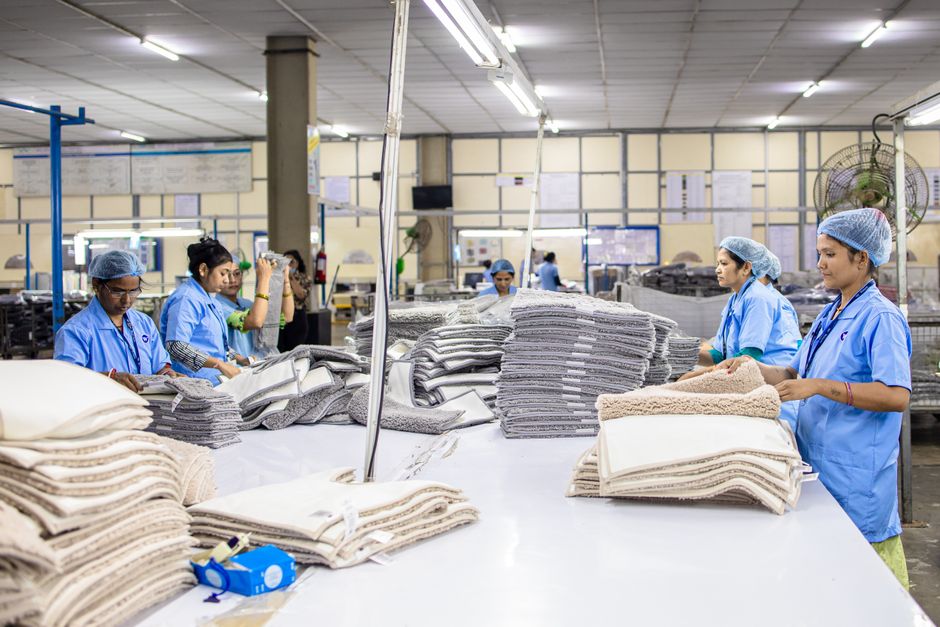
Custom clothing manufacturing refers to the process of creating garments specifically designed for individual customers or small groups. This approach allows for a high degree of personalization, from fabric selection to design elements. Unlike conventional clothing brands, which produce standardized sizes and styles, custom manufacturers focus on delivering products that meet the unique preferences of their clientele.
The rise of e-commerce has played a pivotal role in the growth of custom clothing manufacturing. Online platforms enable consumers to easily access a variety of custom options and connect directly with manufacturers. This accessibility has not only increased consumer choice but has also encouraged manufacturers to innovate and expand their offerings.
Benefits of Custom Clothing
One of the primary advantages of custom clothing is the ability to achieve a perfect fit. Many individuals struggle to find garments that accommodate their body shapes and sizes, often leading to dissatisfaction with off-the-rack clothing. Custom manufacturers use detailed measurements to ensure that each piece fits like a glove, enhancing the overall wearing experience.
Moreover, custom clothing allows for greater creativity and self-expression. Consumers can choose from a wide array of fabrics, colors, and styles, resulting in unique garments that reflect their personal tastes. This level of customization fosters a deeper emotional connection between consumers and their clothing, often leading to increased brand loyalty.
In addition to personal benefits, custom clothing manufacturers can also enjoy higher profit margins. By offering bespoke products, manufacturers can charge a premium price for their services, capitalizing on the growing trend of personalized fashion.
Challenges in the Custom Clothing Industry
Despite the numerous benefits, the custom clothing manufacturing industry is not without its challenges. One significant hurdle is the production timeline. Custom garments typically require more time to create than mass-produced items, which can be a drawback for consumers seeking immediate gratification.
Additionally, the complexity of custom orders can lead to higher operational costs. Manufacturers must invest in advanced technology and skilled labor to ensure high-quality products, which can strain smaller businesses. To remain competitive, custom clothing manufacturers must find ways to streamline their production processes while maintaining quality.
Moreover, marketing custom clothing poses its own set of challenges. Unlike established brands with a loyal customer base, new entrants into the custom clothing space must work diligently to build their brand and attract customers. Effective digital marketing strategies, including social media promotion and influencer partnerships, can help overcome these obstacles.
How to Choose a Custom Clothing Manufacturer
When selecting a custom clothing manufacturer, businesses should consider several key factors. First and foremost, assess the manufacturer’s experience and expertise in the industry. A company with a proven track record is more likely to deliver high-quality products.
Next, evaluate the range of customization options available. A good manufacturer should offer various fabrics, colors, and design elements to cater to diverse customer preferences. Additionally, inquire about their production capacity and turnaround times to ensure they can meet your business needs.
Finally, consider the manufacturer’s commitment to sustainability and ethical practices. As consumers become more environmentally conscious, partnering with a manufacturer that prioritizes sustainable production methods can enhance your brand’s reputation and appeal to eco-minded shoppers.
Future Trends in Custom Clothing Manufacturing
The future of custom clothing manufacturing looks promising, with several trends expected to shape the industry. One notable trend is the integration of technology in the design and production processes. Innovations such as 3D printing and virtual fitting rooms are making it easier for consumers to visualize and customize their garments.
Additionally, the demand for sustainable fashion is prompting manufacturers to explore eco-friendly materials and practices. By prioritizing sustainability, custom clothing manufacturers can differentiate themselves in an increasingly crowded market.
Furthermore, the rise of direct-to-consumer (DTC) brands is reshaping the retail landscape. Many custom clothing manufacturers are adopting DTC models, allowing them to connect directly with consumers and eliminate intermediaries. This approach not only enhances customer relationships but also increases profit margins by reducing distribution costs.
Conclusion
Custom clothing manufacturers are carving out a significant niche in the fashion industry, driven by consumer demand for personalization and unique styles. While challenges exist, the benefits of custom clothing, including improved fit, increased creativity, and higher profit margins, make it an appealing option for both consumers and manufacturers. By understanding the landscape and leveraging technology and marketing strategies, businesses can successfully tap into the growing market for custom garments. As the industry continues to evolve, staying ahead of trends will be crucial for success in this competitive space. For those looking to partner with a reliable custom clothing manufacturer, careful research and strategic planning will pave the way to fruitful collaborations and satisfied customers.