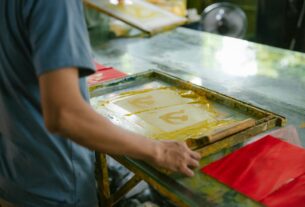
The toy industry for children has seen a remarkable transformation over the past few decades. With the advancement of technology and changing consumer preferences, children toy manufacturers are adapting to meet the demands of both children and their parents. This article delves into the various aspects of the children toy manufacturing industry, highlighting key trends, challenges, and innovations that are shaping this vibrant market.
Historical Overview of Toy Manufacturing
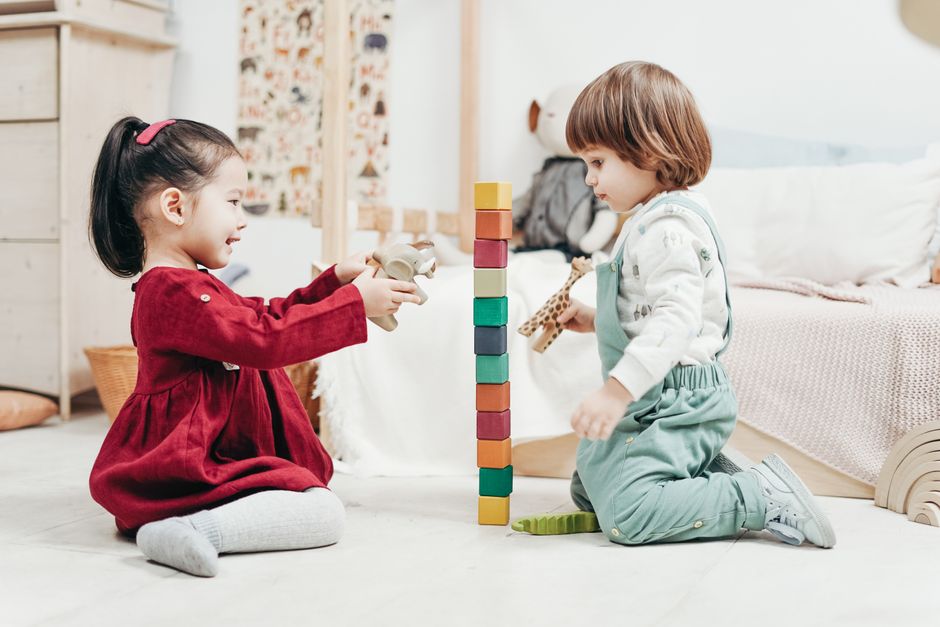
The history of toy manufacturing dates back to ancient civilizations. However, the modern era of toy production began in the 19th century with the Industrial Revolution, which enabled mass production. Companies started to emerge, creating toys that were not only fun but also educational. For instance, the introduction of building blocks in the early 20th century laid the groundwork for the development of cognitive skills in children.
As the century progressed, toy manufacturers began to understand the importance of branding and marketing. Iconic brands such as LEGO and Mattel emerged, creating products that became household names. These companies leveraged advertising to connect with children and parents, establishing a lasting presence in the market.
Current Trends in Children Toy Manufacturing
Today, the children toy manufacturing industry is influenced by a variety of trends. One of the most significant is the move towards sustainability. Parents are increasingly concerned about the environmental impact of toys, pushing manufacturers to adopt eco-friendly practices. Many companies are now using recyclable materials and reducing plastic usage in their products.
Additionally, technology has played a crucial role in shaping modern toys. Interactive toys that incorporate augmented reality (AR) and artificial intelligence (AI) are becoming popular. These toys not only entertain but also educate, providing children with a rich learning experience. The integration of technology is also appealing to parents, who are looking for toys that contribute to their child’s development.
The Role of Safety Standards
Safety is paramount in the toy manufacturing industry. Regulations are in place to ensure that toys are safe for children to use. Various organizations, such as the Consumer Product Safety Commission (CPSC) in the United States, set strict guidelines for toy manufacturers. Compliance with these safety standards is essential, as it helps prevent accidents and injuries.
Manufacturers often conduct rigorous testing to ensure their products meet safety requirements. This includes analyzing materials for toxic substances, testing for small parts that could pose choking hazards, and ensuring that toys are durable enough to withstand rough play. Companies that prioritize safety build trust with consumers and establish a strong reputation in the market.
Challenges Faced by Toy Manufacturers
Despite the growth opportunities, children toy manufacturers face several challenges. One major issue is the intense competition in the industry. With numerous brands vying for consumer attention, standing out can be difficult. Companies must constantly innovate and adapt to changing market dynamics to remain relevant.
Additionally, the rise of digital entertainment poses a challenge to traditional toy manufacturers. Children are increasingly drawn to screens and digital devices, which can detract from playtime with physical toys. Manufacturers are responding by creating toys that integrate with digital platforms, effectively bridging the gap between physical and virtual play.
Future of Children Toy Manufacturers
The future of children toy manufacturers looks promising, with numerous opportunities for growth. As parents continue to seek high-quality, safe, and educational toys, manufacturers can capitalize on these trends by developing innovative products. Collaborations with educational institutions and child psychologists can also help create toys that are not only entertaining but also beneficial for child development.
Moreover, as global markets expand, manufacturers have the chance to reach new audiences. By tailoring products to meet the preferences of diverse cultures, companies can enhance their market presence. The integration of technology and sustainability will also play a crucial role in shaping the future of toy manufacturing.
In conclusion, the children toy manufacturing industry is undergoing significant changes, driven by consumer demand for safety, sustainability, and innovation. Companies like children toy manufacturer continue to lead the way in creating engaging, educational, and safe toys for the next generation. As the industry evolves, it will be fascinating to see how these trends shape the future of play.