
In the vibrant realm of visual storytelling, animation studios play a pivotal role in bringing imaginative ideas to life. From breathtaking animated films to engaging advertisements, these studios are the heartbeat of the animation industry. With the rise of digital media, the demand for high-quality animation has never been greater, leading to the emergence of countless studios worldwide. This article explores the ins and outs of animation studios, their creative processes, and the impact they have on modern media.
Understanding Animation Studios
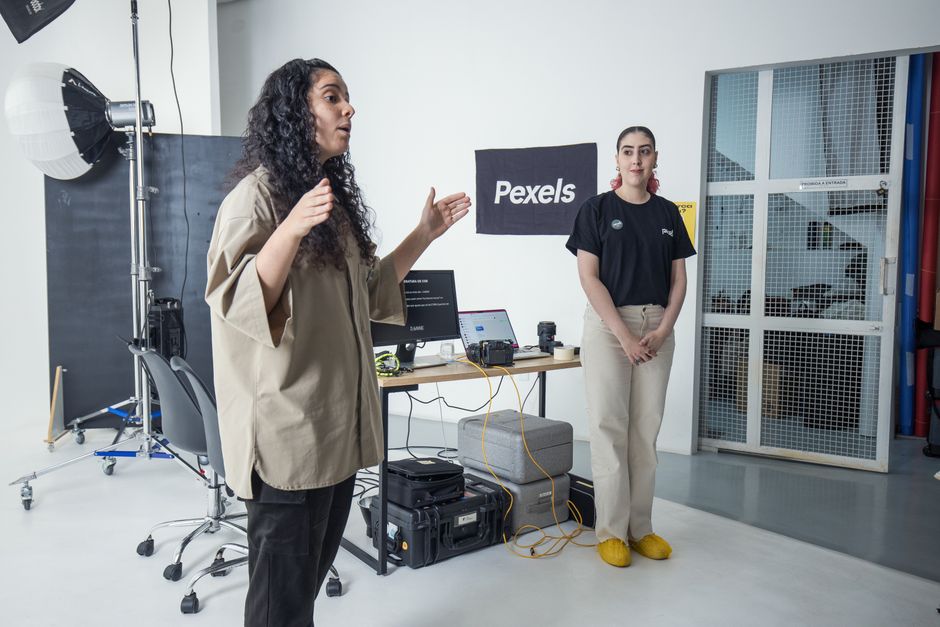
Animation studios are specialized companies that create animated content using various techniques such as traditional hand-drawn animation, computer-generated imagery (CGI), and stop-motion. Each studio has its unique style and approach, which often reflects in their portfolio. For instance, studios like Pixar and DreamWorks are renowned for their family-friendly films that combine humor with heartfelt narratives.
One of the defining characteristics of an animation studio is its team composition. Typically, a studio employs a diverse group of artists, animators, writers, and technical experts who collaborate to transform a script into a fully-realized animated feature. The synergy between these professionals is crucial; it facilitates innovation and enhances the storytelling process.
Moreover, animation studios often have access to cutting-edge technology and software that streamline the production process. High-performance computers, advanced rendering software, and motion capture technology are just a few examples of the tools that modern studios utilize to create visually stunning animations.
The Creative Process Behind Animation
The journey from concept to screen in an animation studio is multifaceted and involves several stages. Initial brainstorming sessions lead to the development of a screenplay, which serves as the backbone of the project. Once the script is finalized, storyboards are created to visualize key scenes and sequences.
After storyboarding, animators begin the arduous task of creating the animation itself. Depending on the studio’s medium, this can involve hand-drawing characters, modeling them in 3D software, or crafting physical puppets for stop-motion animation. This phase is where the characters truly come to life, as animators infuse them with personality and emotion through meticulous frame-by-frame work.
Once the animation is complete, sound design and voice acting come into play. A good animation studio invests significant resources into hiring talented voice actors who can breathe life into the characters. Sound effects and music complement the visuals, enhancing the overall viewing experience.
The Impact of Animation Studios on Culture
Animation studios have profoundly influenced popular culture and entertainment. Iconic characters like Mickey Mouse and SpongeBob SquarePants have become household names, transcending generations and becoming integral parts of our cultural fabric. Furthermore, animated films often address significant social issues, making them relevant beyond mere entertainment.
Statistics reveal that animated films consistently perform well at the box office, reflecting their widespread appeal. For example, Disney’s animated feature films have grossed billions of dollars globally, showcasing the profitability of this medium. This success encourages studios to invest more in original animated content, which in turn nurtures creativity and innovation within the industry.
Moreover, animation’s versatility allows it to be used in various sectors beyond entertainment. Educational institutions utilize animated content to engage students effectively, while businesses use animations in marketing campaigns to convey complex messages simply and attractively. As a result, animation studios contribute significantly to both the economy and societal development.
The Future of Animation Studios
As technology continues to evolve, the future of animation studios looks promising. Virtual reality (VR) and augmented reality (AR) are transforming how audiences experience animated content, offering immersive experiences that were once the stuff of science fiction. Animation studios that embrace these technologies are likely to lead the charge in redefining storytelling.
Additionally, the rise of streaming platforms has changed the landscape for animation studios. With platforms like Netflix and Disney+ commissioning original animated series, there are more opportunities than ever for studios to showcase their creativity. This trend indicates a shift towards diverse storytelling, as various animation styles and cultural narratives gain prominence on global stages.
Furthermore, the push for inclusivity and representation is reshaping the animation industry. Studios are increasingly focused on telling stories that reflect a broader range of experiences and cultures, ensuring that animation resonates with audiences from all walks of life.
Conclusion
Animation studios are essential to the ever-evolving world of visual storytelling. Their unique blend of artistry, technology, and narrative prowess enables them to create content that captivates and inspires. As we look ahead, the potential for innovation within animation is limitless, with new technologies and storytelling techniques poised to redefine the medium. For those interested in exploring the world of animation, delving into the workings of an animation studio offers a fascinating glimpse into the creative process that shapes our beloved animated content.