
When it comes to transporting goods, whether across states or internationally, understanding cargo insurance is crucial for businesses and individuals alike. Cargo insurance provides protection against the loss or damage of goods while in transit, safeguarding investments and ensuring peace of mind. In this article, we will explore various aspects of cargo insurance, including its importance, types, coverage options, and how to choose the right policy for your needs.
Understanding Cargo Insurance
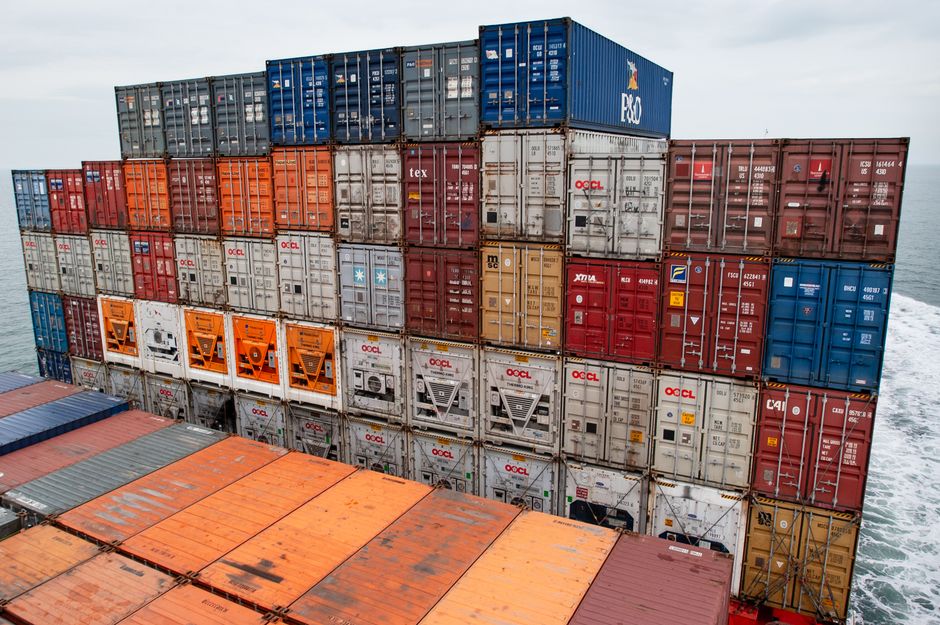
To comprehend the significance of cargo insurance, it’s essential to recognize what it entails. Cargo insurance is a specialized type of insurance designed to cover the risks associated with the transportation of goods. This insurance can protect against a variety of incidents, including theft, damage, or loss during transit. Without cargo insurance, businesses may face significant financial losses, especially if valuable or sensitive items are involved.
For instance, a company shipping electronics worth $100,000 without proper insurance could face devastating losses if the shipment is damaged during transport. The costs associated with such incidents can be crippling, highlighting the necessity of having a comprehensive cargo insurance policy.
Types of Cargo Insurance
There are various types of cargo insurance policies available, each tailored to different needs and circumstances. The most common types include:
- Open Cargo Policy: This type of policy provides coverage for all shipments made by the insured during a specific period, usually one year. It is ideal for businesses that frequently ship goods.
- Specific Cargo Policy: This policy covers a single shipment for a specific destination. It is suitable for one-time shipments or for items with high value that require individual attention.
- All-Risk Policy: This comprehensive policy covers all risks associated with the transportation of goods, except for specific exclusions. It provides the broadest coverage.
- Named Perils Policy: This type of policy covers only the risks specifically listed in the policy document, making it less comprehensive than an all-risk policy.
Choosing the right type of cargo insurance depends on various factors, including the nature of the goods being shipped, the destinations, and the frequency of shipments.
Key Coverage Options
When selecting a cargo insurance policy, it’s vital to understand the key coverage options available. These may include:
- Damage Coverage: This covers physical loss or damage to the goods during transit, whether due to accidents, natural disasters, or mishandling.
- Theft Coverage: This provides protection against losses resulting from theft or burglary during transport.
- Delay Coverage: This covers financial losses resulting from delays in transit, which can be particularly important for perishable goods.
- Liability Coverage: This protects the insured against legal liabilities arising from the transportation of goods.
Understanding these coverage options allows businesses to tailor their policies to their specific needs, thereby enhancing their protection during shipping.
Choosing the Right Cargo Insurance Policy
Selecting the appropriate cargo insurance policy involves several considerations. First, assess the value of the goods being shipped and the potential risks involved. This assessment will help determine the level of coverage required.
Next, consider the shipping methods and routes. Different modes of transport (e.g., air, sea, road) come with varying levels of risk. For instance, shipping by sea might expose goods to different risks compared to shipping by air.
Additionally, it is essential to review the insurance provider’s reputation and claims process. A reliable provider with a straightforward claims process can make a significant difference when it comes time to file a claim.
Finally, consult with an insurance expert or broker who specializes in cargo insurance. They can provide valuable insights and help navigate the complexities of different policies, ensuring that you make an informed decision.
Conclusion
In conclusion, cargo insurance is an indispensable aspect of shipping goods, offering protection against various risks and potential losses. Whether you are a business owner or an individual shipping items, understanding the importance of cargo insurance, the types of policies available, and how to choose the right coverage can safeguard your investment and provide peace of mind. Without adequate insurance, the financial implications of shipping goods can be severe, making it essential to prioritize this aspect of logistics.
As you navigate the world of shipping and logistics, remember the importance of securing your cargo with the right insurance. For more detailed information on cargo insurance, you can refer to this resource: cargo insurance.