
Commercial real estate represents a significant segment of the property market, encompassing a variety of property types, including office buildings, retail spaces, warehouses, and more. As businesses continue to evolve and adapt to changing market dynamics, understanding the intricacies of commercial real estate becomes essential for investors, developers, and entrepreneurs alike. This article delves into the various aspects of commercial real estate, from investment strategies to market trends, providing valuable insights for stakeholders.
Understanding Commercial Real Estate Types
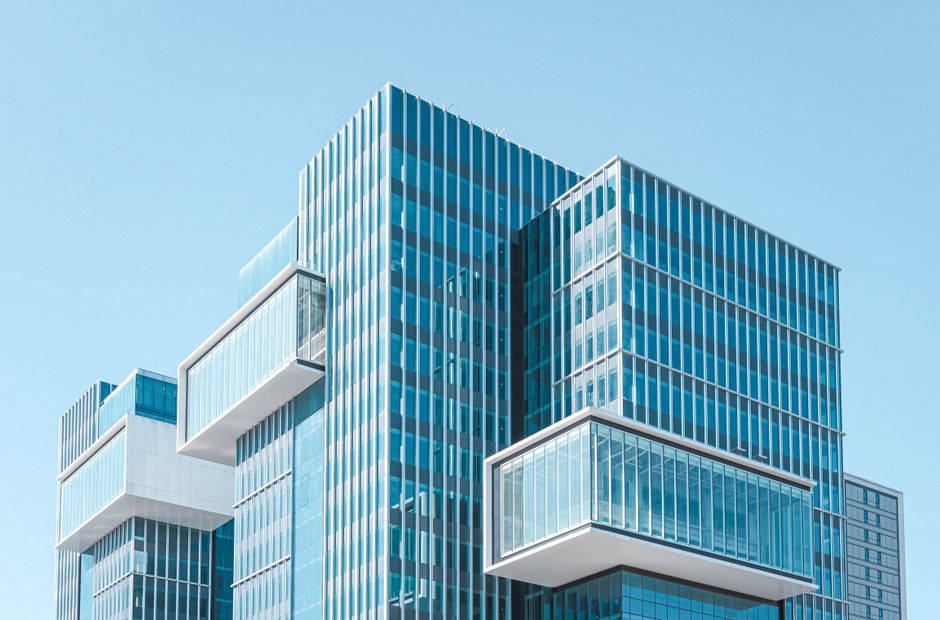
Commercial real estate is categorized into several types, each serving different purposes and markets. The primary categories include:
1. **Office Spaces**: These include high-rise buildings, low-rise offices, and coworking spaces. The demand for office real estate has changed significantly, especially post-pandemic, with many companies adopting hybrid work models.
2. **Retail Properties**: Retail spaces range from shopping malls to standalone stores. The rise of e-commerce has profoundly impacted this sector, leading to a shift in how retail spaces are utilized.
3. **Industrial Properties**: This category includes warehouses, distribution centers, and manufacturing facilities. The growth of online shopping has increased the demand for logistics and warehousing spaces.
4. **Multifamily Properties**: While technically residential, multifamily properties like apartment complexes are often treated as commercial real estate investments due to their income-generating potential.
Understanding these categories is crucial for making informed decisions in the commercial real estate market.
Current Trends in Commercial Real Estate
The commercial real estate market is influenced by various trends that shape its landscape. Some of the most notable trends include:
1. **Sustainability**: There is a growing emphasis on green buildings and sustainable practices. Investors increasingly prefer properties that are energy-efficient and environmentally friendly.
2. **Technology Integration**: The integration of technology in property management and operations has become essential. Smart buildings equipped with IoT technology are becoming the norm, improving efficiency and tenant experience.
3. **Remote Work Impact**: The pandemic has accelerated the trend of remote work, leading to a reevaluation of office space needs. Companies are downsizing their office footprints or seeking flexible leasing options.
4. **Urbanization**: As more people move to urban areas, there is a growing demand for commercial spaces in city centers. This trend often results in higher property values and increased competition.
Investment Strategies for Commercial Real Estate
Investing in commercial real estate can be lucrative, but it requires a well-thought-out strategy. Some effective investment strategies include:
1. **Value-Add Investments**: This strategy involves purchasing properties that require renovation or repositioning to increase their value. Investors can achieve significant returns through strategic improvements.
2. **Buy-and-Hold**: This long-term strategy focuses on acquiring properties and holding them to generate rental income while benefiting from appreciation over time.
3. **Diversification**: Diversifying a portfolio across various property types and geographical locations can mitigate risks and enhance overall returns.
4. **REITs**: Real Estate Investment Trusts (REITs) offer a way to invest in commercial real estate without direct ownership. They provide liquidity and diversification, making them an attractive option for many investors.
For those looking to explore opportunities in commercial real estate, understanding these strategies is vital.
Challenges in the Commercial Real Estate Market
Despite its potential, the commercial real estate market is not without challenges. Investors and stakeholders must navigate various obstacles, including:
1. **Market Volatility**: Economic fluctuations can significantly impact property values and rental income. Staying informed about market trends is crucial for making sound investment decisions.
2. **Financing Issues**: Securing financing for commercial properties can be complex. Investors must have a solid financial plan and understand the lending landscape.
3. **Regulatory Hurdles**: Zoning laws and regulatory requirements can affect property development and usage. Familiarity with local regulations is essential for successful investments.
4. **Competition**: The commercial real estate market can be highly competitive, making it imperative for investors to differentiate their offerings and strategies.
Future Outlook for Commercial Real Estate
The future of commercial real estate is poised for transformation. As businesses adapt to new realities, the demand for flexible and innovative spaces will likely increase. Key factors that will shape the future include:
1. **Hybrid Work Models**: The shift towards hybrid work may lead to more demand for flexible office spaces and coworking environments.
2. **Technological Advances**: The continued integration of technology in real estate operations will improve efficiency and tenant engagement.
3. **Sustainability Initiatives**: As environmental concerns rise, properties that prioritize sustainability will attract more interest from investors and tenants alike.
4. **Economic Recovery**: As economies recover from the pandemic, demand for various commercial properties will likely stabilize and grow, providing new opportunities for investors.
Conclusion
Commercial real estate remains a dynamic and complex field, filled with opportunities and challenges. For investors, understanding the market, current trends, and effective strategies is essential for success. As the landscape continues to evolve, staying informed and adaptable will be key to navigating the world of commercial real estate.