
The field of web design is constantly evolving, influenced by technological advancements and changing user preferences. In an era where digital presence is critical for businesses, understanding the latest trends and best practices in web design is essential for creating websites that are not only aesthetically pleasing but also functional and user-friendly. This article delves into key trends shaping the future of web design and offers practical insights for designers and businesses alike.
Emphasis on User Experience (UX)
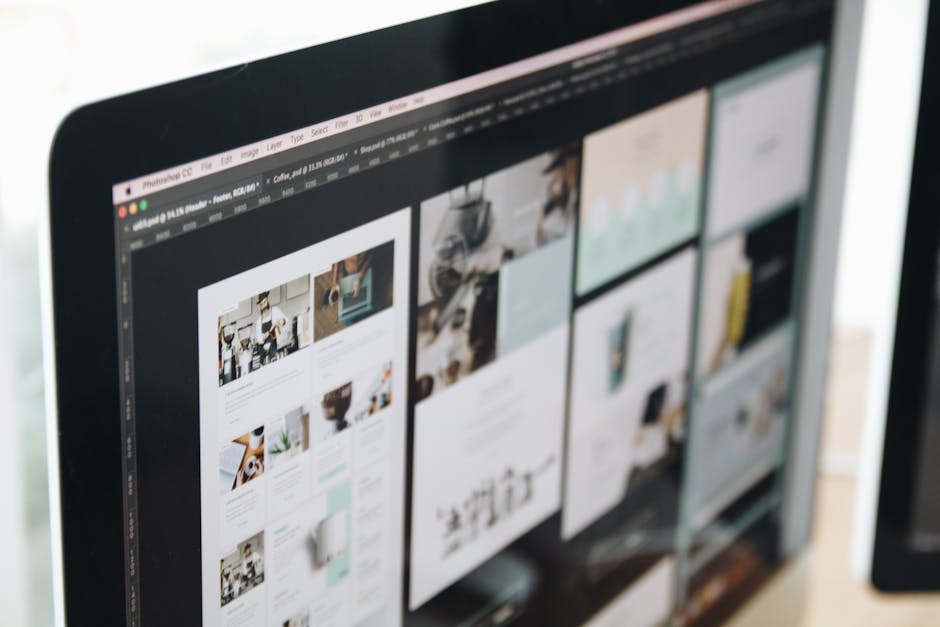
User experience has become a cornerstone of successful web design. A website that prioritizes UX ensures that visitors can navigate easily, find information quickly, and enjoy a seamless interaction. According to a study by Forrester, improving UX can lead to a conversion rate increase of up to 400%. Designers are now focusing on creating intuitive layouts, responsive designs, and fast-loading pages to enhance user satisfaction.
One effective approach to improving UX is through user testing. By gathering feedback from real users, designers can identify pain points and areas for improvement. Furthermore, utilizing analytics tools to track user behavior can provide valuable insights into how visitors interact with a website. This data-driven approach allows designers to make informed decisions that ultimately enhance the overall user experience.
With the rise of mobile browsing, responsive design has become non-negotiable. Websites must be optimized for various devices, ensuring a consistent experience whether users access them via smartphones, tablets, or desktops. This adaptability not only improves UX but also boosts SEO, as search engines favor mobile-friendly sites. As such, designers should prioritize responsive frameworks and test their designs across multiple devices to ensure accessibility for all users.
Minimalism and Clean Aesthetics
In recent years, minimalistic design has gained popularity, reflecting a shift towards simplicity and clarity. A clean aesthetic reduces clutter and distractions, allowing users to focus on the content that matters. This trend is particularly relevant as users today are bombarded with information and prefer straightforward, easy-to-digest designs.
Implementing a minimalist design involves using ample white space, a limited color palette, and clear typography. These elements work together to create a visually appealing and functional layout. For instance, large images paired with succinct text can convey messages more effectively than complicated designs. This approach not only enhances user engagement but also improves loading times, which is crucial for retaining visitors.
Moreover, minimalism aligns well with the increasing emphasis on accessibility in web design. By simplifying layouts, designers can make websites more navigable for users with disabilities. Incorporating features such as keyboard navigation and screen reader compatibility further enhances accessibility, ensuring that everyone can enjoy the content.
Integration of AI and Automation
Artificial intelligence (AI) is transforming web design in unprecedented ways. From chatbots that enhance customer service to AI-driven design tools that streamline the creative process, the integration of AI is revolutionizing how websites are built and maintained. According to a report by Gartner, 30% of all web interactions will be facilitated by AI by 2025, highlighting the importance of embracing this technology.
AI can assist designers in creating personalized experiences by analyzing user data and tailoring content to individual preferences. For example, e-commerce websites can utilize AI to recommend products based on a user’s browsing history, increasing the likelihood of conversion. Additionally, AI-driven tools can automate repetitive tasks, allowing designers to focus on more strategic aspects of their projects.
However, it is essential to balance automation with human creativity. While AI can enhance efficiency, the unique touch that a human designer brings to a project is irreplaceable. By combining AI tools with human insight, designers can create websites that are not only functional but also resonate with users on a deeper level.
Focus on Sustainability
As environmental concerns become increasingly pressing, sustainability in web design is gaining traction. Designers are now considering the environmental impact of their choices, from the energy consumption of hosting services to the materials used in web development. A sustainable web design approach involves optimizing websites for energy efficiency, reducing carbon footprints, and promoting eco-friendly practices.
One way to achieve sustainability is by choosing green hosting providers that utilize renewable energy sources. Additionally, optimizing images and minimizing the use of heavy scripts can significantly reduce the energy required to load a website. This not only benefits the environment but also improves performance, as faster-loading sites enhance user experience.
Moreover, designers can promote sustainable practices by encouraging users to make eco-friendly choices. For instance, incorporating features that highlight sustainable products or services can raise awareness and drive positive change. By aligning web design with sustainability, designers can play a crucial role in advocating for a healthier planet.
Conclusion
The future of web design is bright, characterized by a strong emphasis on user experience, minimalistic aesthetics, the integration of AI, and a commitment to sustainability. As designers and businesses navigate this evolving landscape, staying informed about emerging trends and adopting best practices will be essential for success. By prioritizing user needs and embracing innovative technologies, web designers can create impactful websites that resonate with audiences and stand the test of time. For those looking to enhance their web design strategies, resources such as https://digitalheroes.co.in can provide valuable insights and guidance.