
Maintaining a healthy septic system is crucial for any homeowner, yet many people overlook the importance of regular cleaning and maintenance. A septic tank plays a vital role in managing wastewater, and neglecting it can lead to costly repairs and environmental issues. In this article, we will explore the significance of septic tank cleaning, how often it should be done, and the best practices for keeping your system in top condition.
Understanding Septic Tanks
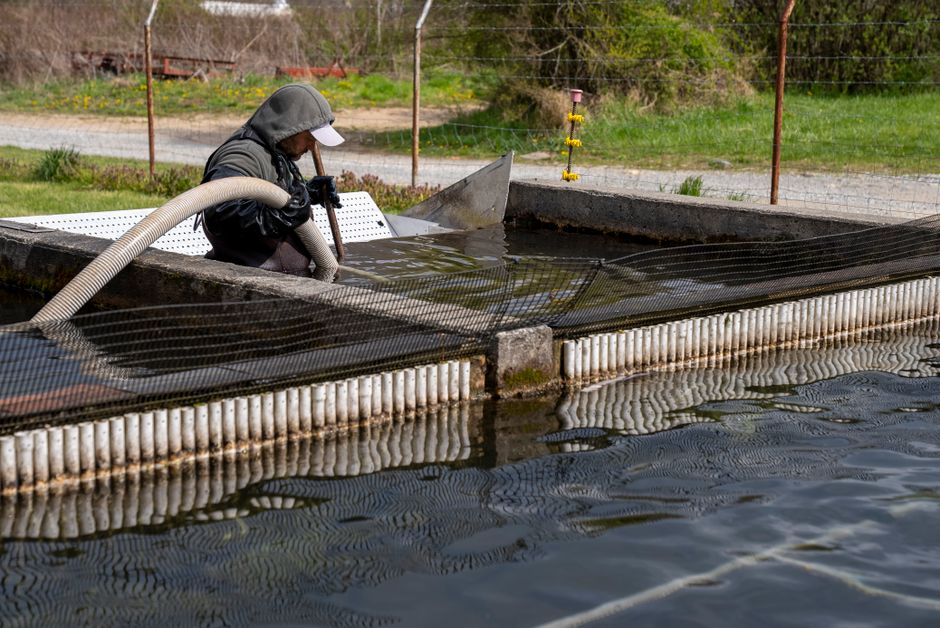
Septic tanks are underground chambers made of concrete, fiberglass, or plastic that treat wastewater from your home. They are designed to separate solids from liquids, allowing the liquid effluent to flow into the drain field. Understanding how your septic system works is the first step in ensuring its longevity and efficiency. Regular cleaning can help prevent blockages and backups that may disrupt your household.
Typically, a septic tank is divided into two compartments. Solid waste settles at the bottom, while the liquid waste flows out. Over time, solids build up, which is why periodic pumping is essential. Failure to clean your septic tank can lead to a myriad of problems, including unpleasant odors and potential health hazards.
How Often Should You Clean Your Septic Tank?
The frequency of septic tank cleaning varies based on several factors, including the size of your tank, the number of people in your household, and your water usage habits. As a general rule, most septic tanks should be pumped every 3 to 5 years. However, households with higher water usage or larger families may need to pump their tanks more frequently.
For instance, a family of four using a 1,000-gallon tank might require cleaning every 3 years, while a smaller family may only need to do so every 5 years. It is advisable to keep a record of when your tank was last serviced to help you stay on schedule.
Signs That Your Septic Tank Needs Cleaning
Being proactive about septic tank maintenance means being aware of the signs that indicate your tank needs cleaning. Common symptoms include slow drains, gurgling sounds in your plumbing, and foul odors around the tank or drain field. Additionally, if you notice water pooling in your yard or near the drain field, it could be a sign of a full septic tank or a malfunctioning system.
Regular inspections can help identify these issues early. If you suspect your septic tank requires attention, it is crucial to contact a professional who can assess the situation and perform necessary maintenance. Engaging in septic maintenance can save you money in the long run by preventing more significant issues.
Best Practices for Septic Tank Maintenance
Maintaining your septic tank involves several best practices that can prolong its life and efficiency. First and foremost, avoid flushing non-biodegradable items such as wipes, feminine hygiene products, and plastics down the toilet. These items can cause clogs and disrupt the natural processes within your septic system.
Additionally, be mindful of the chemicals you use in your home. Harsh chemicals can kill the beneficial bacteria necessary for breaking down waste. Instead, opt for environmentally friendly cleaning products. Regularly inspecting your drain field and ensuring that it remains clear of debris can also help prevent clogs and backups.
Choosing a Professional Septic Tank Service
Choosing the right professional service for septic tank cleaning is essential for ensuring the job is done correctly. Look for companies with good reviews, proper licensing, and experience in the field. A reputable service will perform a thorough inspection, pump the tank, and provide recommendations for future maintenance.
It’s also wise to ask about their cleaning process and whether they offer any additional services, such as septic system inspections or repairs. Investing in quality service can significantly enhance the longevity of your septic system and maintain a healthy environment around your home.
Conclusion
In conclusion, septic tank cleaning is a vital aspect of home maintenance that should not be overlooked. Regular cleaning and maintenance can extend the life of your septic system, prevent costly repairs, and protect the environment. By understanding how your septic system works, recognizing the signs that it needs cleaning, and following best practices, you can ensure a healthy and efficient septic system for years to come.