Greenhouses have become a vital part of modern agriculture, allowing for year-round cultivation of crops in a controlled environment. The right greenhouse equipment can significantly impact plant growth, yield, and overall efficiency. In this article, we will explore the essential equipment needed for effective greenhouse management, from temperature control to irrigation systems.
The Importance of Climate Control
One of the primary functions of a greenhouse is to create a stable climate for plants. Temperature and humidity levels must be carefully monitored and controlled to promote healthy growth. Heating systems are essential in colder months, ensuring that plants do not suffer from frost damage. Conversely, cooling systems, such as ventilation fans and shade cloths, help regulate temperature during hot weather.
In addition to heating and cooling, humidity control is crucial. High humidity can lead to fungal diseases, while low humidity can cause plants to dry out. Equipment such as dehumidifiers and humidistats can help maintain optimal moisture levels. Investing in quality climate control equipment can lead to improved crop health and higher yields.
Irrigation Systems for Efficient Watering
Water is a critical resource in any greenhouse setting. An efficient irrigation system is vital for ensuring that plants receive the right amount of water without wastage. There are various types of irrigation systems available, including drip irrigation, overhead sprinklers, and automated systems. Each has its advantages depending on the type of crops being grown.
Drip irrigation, for example, delivers water directly to the plant roots, minimizing evaporation and runoff. This method not only conserves water but also allows for precise nutrient delivery through fertigation. On the other hand, automated systems can be programmed to water plants at specific times, reducing labor and ensuring consistent moisture levels.
Incorporating advanced irrigation technology, such as soil moisture sensors, can further enhance watering efficiency. These sensors provide real-time data on soil moisture levels, allowing for more accurate watering schedules.
Lighting Solutions for Optimal Growth
Natural sunlight is essential for photosynthesis, but sometimes it may not be sufficient, especially during the winter months or in regions with limited sunlight. Supplementing natural light with artificial lighting can boost plant growth significantly. Different types of grow lights are available, including fluorescent, LED, and high-intensity discharge (HID) lights.
LED grow lights are increasingly popular due to their energy efficiency and long lifespan. They can be tailored to emit specific wavelengths of light that are most beneficial for plant growth, which can lead to faster growth rates and higher yields. Additionally, the use of timers can help mimic natural light cycles, further enhancing plant development.
Essential Tools and Equipment for Daily Operations
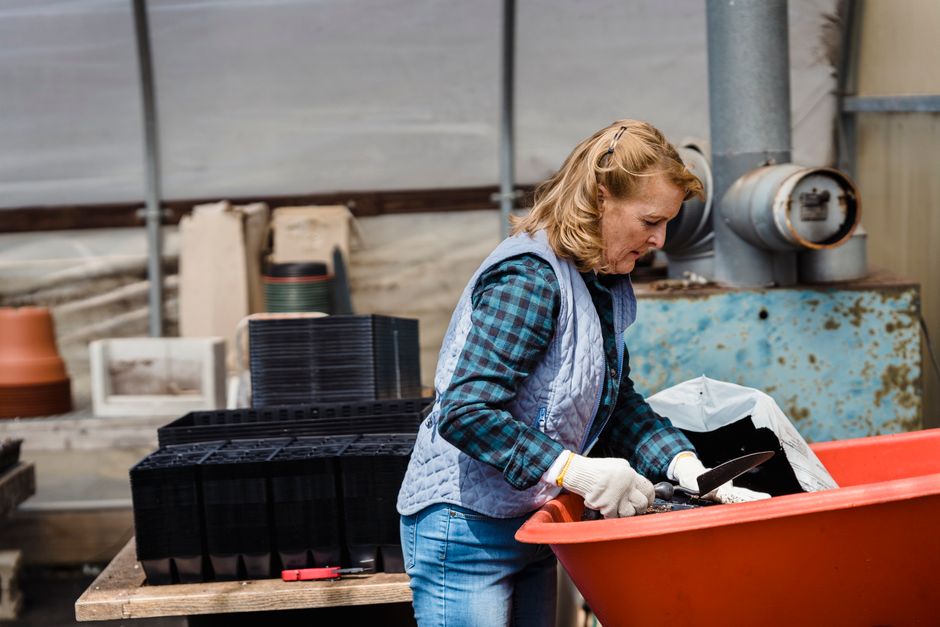
In addition to climate control, irrigation, and lighting, several essential tools are necessary for the daily operations of a greenhouse. These include hand tools like trowels, pruners, and hoes for routine maintenance. A greenhouse also requires storage solutions for both tools and harvested crops.
Moreover, monitoring equipment such as thermometers, hygrometers, and pH meters plays a crucial role in ensuring optimal growing conditions. Keeping track of environmental conditions helps identify issues early, allowing for timely interventions. For instance, if humidity levels are too high, growers can activate dehumidifiers before plants are affected.
Investing in quality tools and equipment not only enhances efficiency but also promotes a healthier growing environment, which is essential for producing high-quality crops.
Choosing the Right Greenhouse Equipment
When selecting greenhouse equipment, it is essential to consider the specific needs of your crops and the local climate. Researching various products and reading reviews can help identify the best options available. Additionally, consulting with agricultural experts or local extension services can provide valuable insights into the most effective equipment for your specific situation.
It’s also vital to consider the long-term costs associated with greenhouse equipment. While some initial investments might seem high, the benefits of increased efficiency and crop yield can lead to significant savings over time. For instance, investing in high-quality greenhouse equipment can reduce energy costs and improve plant health, ultimately resulting in better profitability.
Conclusion
In conclusion, the right greenhouse equipment is crucial for successful plant cultivation. From climate control systems to irrigation and lighting solutions, each component plays a significant role in promoting optimal growth. By investing in quality equipment and staying informed about the latest technologies, greenhouse operators can enhance productivity and achieve greater success in their agricultural endeavors.