
In the aviation industry, safety is paramount. Aircraft maintenance companies play a crucial role in ensuring that airplanes are in optimal condition for safe operations. These organizations are responsible for regular inspections, repairs, and overhauls, which are essential for the longevity and reliability of aircraft. This article explores the various aspects of aircraft maintenance companies, their significance, and the future of this vital industry.
Understanding Aircraft Maintenance
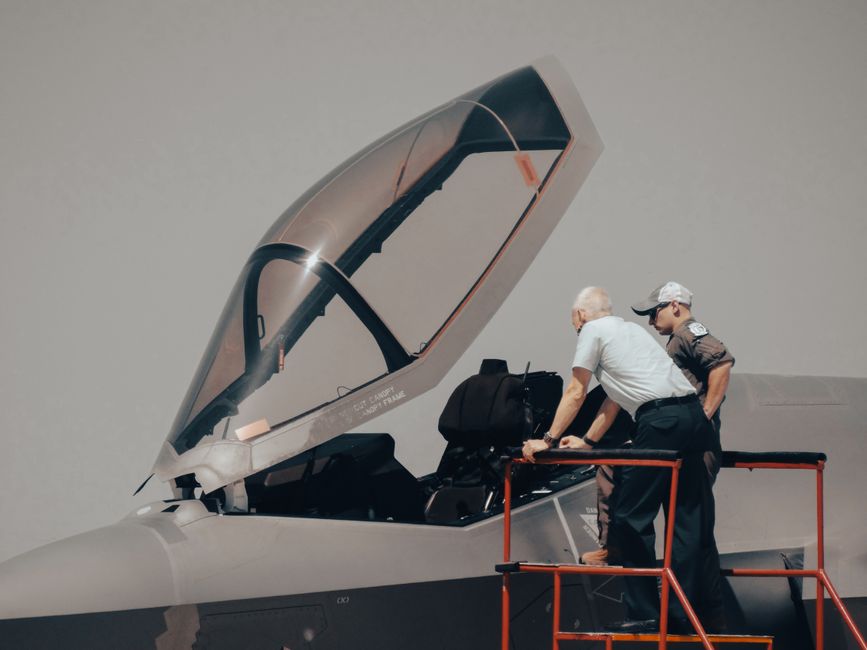
Aircraft maintenance encompasses a wide range of activities designed to keep aircraft in safe flying condition. This includes scheduled maintenance, unscheduled repairs, and modifications. Each aircraft type has specific maintenance requirements outlined by manufacturers and aviation authorities. Regular maintenance checks are categorized into different phases, such as A checks, B checks, C checks, and D checks, which vary in frequency and complexity.
For instance, A checks are typically performed every 400 to 600 flight hours, while D checks, the most comprehensive, can occur every 6 to 10 years. Each of these checks involves detailed inspections and repairs to ensure that every component functions correctly. This meticulous approach is essential for minimizing the risk of mechanical failures in-flight.
The Importance of Choosing the Right Maintenance Company
Selecting a reliable aircraft maintenance company is a critical decision for airlines and aircraft owners. Factors such as certifications, experience, and reputation can significantly impact safety and operational efficiency. Companies must hold certifications from aviation authorities, ensuring they adhere to strict safety standards.
Moreover, the experience of the maintenance personnel can influence the quality of service. A well-established company with a proven track record is often preferable. Recent statistics indicate that up to 80% of aviation accidents are attributed to maintenance-related issues. Therefore, working with a reputable aircraft maintenance company is vital for mitigating risks.
Technological Advancements in Aircraft Maintenance
As technology evolves, aircraft maintenance practices are also advancing. The introduction of predictive maintenance through data analytics is revolutionizing how maintenance is performed. By analyzing data from aircraft sensors, maintenance teams can identify potential issues before they become critical problems.
This proactive approach not only enhances safety but also reduces downtime, ultimately leading to cost savings for airlines. Additionally, the use of drones for inspections is gaining traction, allowing for quicker and more efficient evaluations of aircraft surfaces and components.
Challenges Faced by Aircraft Maintenance Companies
Despite the advancements in technology, aircraft maintenance companies face several challenges. One of the most pressing issues is the shortage of skilled technicians. The aviation industry has been experiencing a gap in qualified personnel due to the rapid growth of the sector and the retirement of experienced workers.
Furthermore, regulatory compliance can be a daunting task. Maintenance companies must navigate complex regulations set forth by aviation authorities, which can change frequently. Staying updated with these regulations requires continuous training and investment in new technologies.
The Future of Aircraft Maintenance
Looking ahead, the future of aircraft maintenance is likely to be defined by increased automation and the integration of advanced technologies. The ongoing development of artificial intelligence and machine learning will enhance predictive maintenance capabilities, further reducing the likelihood of in-flight failures.
Additionally, as the aviation sector strives for sustainability, maintenance practices will need to adapt to incorporate eco-friendly solutions. This includes using sustainable materials for repairs and enhancing the efficiency of maintenance operations to reduce environmental impact.
Conclusion
Aircraft maintenance companies are essential for maintaining the safety and efficiency of air travel. Their role in conducting thorough inspections and repairs cannot be overstated. As the industry evolves, it is crucial for these companies to embrace technological advancements while overcoming challenges such as workforce shortages and regulatory compliance. By doing so, they will continue to play a pivotal role in ensuring that aviation remains one of the safest modes of transportation in the world.