Aerial drone photography has revolutionized the way we capture and experience the world around us. With advancements in technology, drones have become accessible tools for both professional photographers and hobbyists alike. This article explores the intricacies of aerial drone photography, its applications, and tips for those looking to take to the skies.
Understanding Aerial Drone Photography
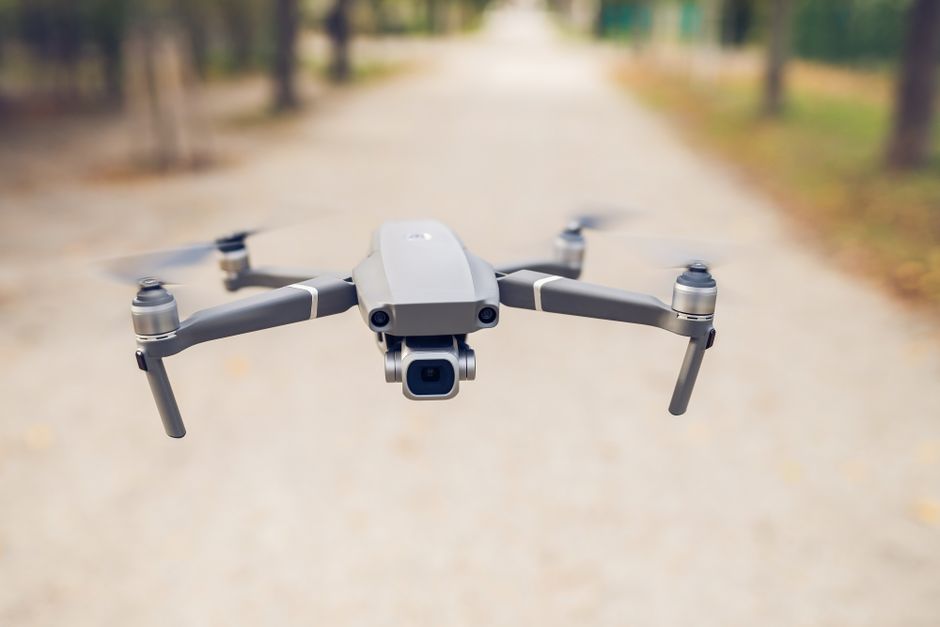
Aerial drone photography involves capturing images and videos from an elevated perspective using unmanned aerial vehicles (UAVs). This unique viewpoint allows photographers to showcase landscapes, events, and architecture in ways traditional photography cannot. The combination of high-resolution cameras mounted on drones and the ability to maneuver in hard-to-reach areas has opened up a new realm of possibilities.
One of the most significant advantages of aerial photography is the ability to gather data and images from various altitudes and angles. For instance, capturing a sprawling cityscape from above can highlight the intricate layout of urban environments that might otherwise go unnoticed. Additionally, the dynamic range and perspective provided by drones can create stunning visuals that resonate with viewers.
The rise of social media platforms has also played a pivotal role in popularizing aerial drone photography. Photographers are now able to share their breathtaking shots instantly, reaching a global audience and inspiring others to explore this thrilling field.
Applications of Aerial Drone Photography
The applications of aerial drone photography are vast and varied. From real estate to agriculture, many industries recognize the value of showcasing their work from an aerial perspective. In real estate, for example, aerial shots can provide potential buyers with a comprehensive view of a property and its surroundings, making listings more attractive.
In agriculture, farmers utilize drones to monitor crop health, assess land conditions, and optimize irrigation systems. These insights can lead to increased yields and more efficient use of resources, demonstrating the practical benefits of aerial photography in enhancing productivity.
Moreover, aerial drone photography is also valuable for environmental monitoring, disaster response, and event coverage. For instance, during natural disasters, drones can provide real-time images of the affected areas, aiding in rescue operations and damage assessment.
Choosing the Right Equipment for Aerial Photography
When it comes to aerial drone photography, selecting the right equipment is crucial. Photographers must consider factors such as camera quality, flight time, and ease of use. High-quality drones equipped with 4K cameras are ideal for capturing stunning images and videos, while models with longer battery life allow for extended flight time and more shooting opportunities.
Additionally, features like GPS stabilization, obstacle avoidance, and automated flight modes can enhance the photography experience, making it easier for users to capture stunning visuals without extensive piloting skills. For those serious about aerial photography, investing in a professional-grade drone can significantly elevate the quality of their work.
For beginners, many entry-level drones offer excellent features at a more affordable price. These models can help novice photographers learn the basics of drone operation and photography before investing in more advanced equipment.
Legal Considerations in Aerial Drone Photography
As the popularity of aerial drone photography grows, so too do the legal considerations surrounding its use. Photographers must familiarize themselves with local regulations regarding drone flight, including no-fly zones, altitude limits, and required permits. In many countries, pilots must register their drones and comply with specific guidelines to ensure safe operation.
Moreover, obtaining permission from landowners before flying over private property is essential to avoid legal complications. Understanding the laws governing aerial photography not only protects the photographer but also promotes responsible usage of drones in public spaces.
In the United States, for example, the Federal Aviation Administration (FAA) oversees drone regulations, requiring pilots to adhere to specific rules for commercial operations. Staying informed about these regulations is vital for anyone looking to pursue aerial drone photography professionally.
Tips for Capturing Stunning Aerial Shots
To capture breathtaking aerial photographs, photographers should consider several tips and techniques. First, planning the shoot is essential. Understanding the location, lighting conditions, and potential obstacles can help ensure a successful flight. Early mornings or late afternoons often provide the best lighting for photography, as the sun’s position can create dramatic shadows and enhance colors.
Additionally, experimenting with different altitudes and angles can yield unique perspectives. Drones allow photographers to explore heights that are often unreachable, providing opportunities for creative compositions. Using the rule of thirds can also help create balanced and engaging images.
Lastly, post-processing is a crucial step in enhancing aerial photographs. Utilizing editing software can help adjust colors, contrast, and sharpness, bringing the final image to life. With practice and creativity, photographers can truly make their aerial shots stand out.
Conclusion
Aerial drone photography offers an exciting way to experience and capture the world from above. With its diverse applications and stunning results, it has become a popular choice for both professionals and enthusiasts. By understanding the equipment needed, legal considerations, and techniques for capturing great shots, anyone can embark on a journey into aerial photography. For those interested in exploring this thrilling field, resources like aerial drone photography can provide valuable insights and inspiration.