
Perfume has been an essential part of human culture for centuries, evoking emotions, memories, and experiences. The art of fragrance is not just about smelling good; it is a complex interplay of science, artistry, and personal expression. From ancient civilizations to modern-day luxury brands, the world of perfume continues to captivate our senses and ignite our imaginations.
The History of Perfume
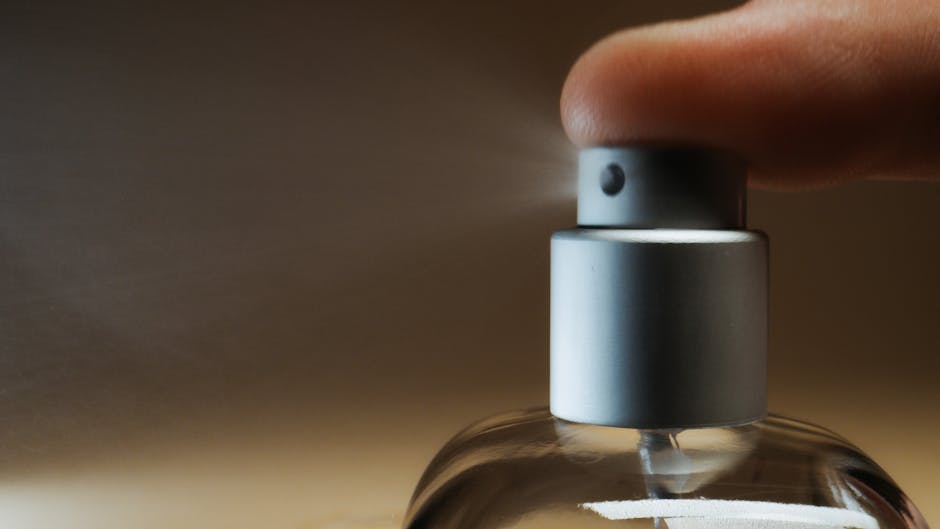
Perfume dates back to ancient times, with the earliest known formulations originating in Mesopotamia around 2000 BC. The Egyptians were particularly fond of fragrances, using them in religious rituals and as offerings to their gods. They created scents from natural materials such as flowers, spices, and resins. The use of perfume spread throughout the Mediterranean, with the Greeks and Romans incorporating it into their daily lives.
By the Middle Ages, the art of perfumery had evolved significantly, especially in the Islamic world where alchemists began to distill essential oils. This knowledge spread to Europe, leading to the creation of exquisite perfumes that were highly sought after. The Renaissance saw an explosion of creativity in fragrance, with the establishment of perfume houses in France, which would later become the epicenter of the industry.
The Science Behind Fragrance
At its core, perfume is a blend of aromatic compounds, which can be derived from natural sources or created synthetically. These compounds are classified into different categories based on their volatility and scent profile. The top notes are the first scents perceived upon application, followed by the heart notes that emerge as the perfume develops, and finally the base notes that linger long after the initial application.
The creation of a perfume is a meticulous process, requiring a deep understanding of chemistry and olfactory science. Perfumers, often referred to as ‘noses,’ spend years honing their craft, learning to identify and blend various notes to create a harmonious fragrance. For instance, the use of synthetic materials has revolutionized the industry, allowing perfumers to craft complex scents that were previously impossible to achieve with natural ingredients alone.
Choosing the Right Perfume
Selecting a perfume can be a daunting task, given the myriad of options available. It is essential to consider factors such as personal style, occasion, and the season. For instance, lighter, fresher scents are often preferred in warmer months, while richer, deeper fragrances are favored in colder seasons.
When trying a new fragrance, it is advisable to test it on the skin rather than on paper. Our skin chemistry can significantly alter how a scent develops, making it crucial to experience the fragrance in its full complexity. Additionally, it is helpful to take note of how a perfume evolves throughout the day, as the longevity and sillage (the trail of scent left behind) are key factors in its overall appeal.
For those looking to explore high-end options, brands like Maison Francis Kurkdjian (MFK) offer luxurious fragrances that embody elegance and sophistication. Their unique compositions often tell a story, allowing wearers to express their individuality through scent.
The Impact of Perfume on Emotions
Fragrance plays a significant role in influencing our emotions and memories. The olfactory system is closely linked to the brain’s limbic system, which governs emotional responses. This connection explains why certain scents can evoke vivid memories or feelings of comfort and happiness.
Many studies have shown the psychological effects of specific fragrances. For instance, lavender is known for its calming properties, while citrus scents can boost energy and enhance mood. This understanding has led to the incorporation of essential oils in aromatherapy, where specific scents are used to promote mental and physical well-being.
The Future of Perfume
The perfume industry is continually evolving, driven by consumer demand for sustainability and innovation. Brands are increasingly focusing on eco-friendly practices, sourcing ingredients responsibly, and reducing waste. This shift reflects a growing awareness of environmental issues and a desire for transparency in production processes.
Moreover, technology is playing an increasingly vital role in the fragrance industry. From virtual scent experiences to personalized fragrance recommendations based on AI algorithms, the future of perfume is set to be as dynamic as it is aromatic. As consumers seek unique and meaningful experiences, the art of perfumery will continue to adapt and flourish, ensuring its place in our lives for generations to come.
Conclusion
Perfume is more than just a pleasant scent; it is an expression of identity, emotion, and artistry. As we explore the rich history, science, and personal significance of fragrance, we gain a deeper appreciation for this captivating world. Whether it is a classic scent or a modern creation, the allure of perfume will always remain, inviting us to discover and indulge in the magic of scent.