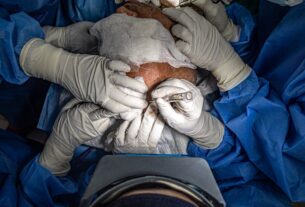
As baldness and thinning hair become increasingly common concerns for many individuals, the interest in hair transplant procedures has surged. This article aims to provide an in-depth look at hair transplant techniques, benefits, potential risks, and factors to consider when choosing a clinic. Whether you’re considering a hair transplant yourself or simply curious about the process, this guide will equip you with essential knowledge.
Understanding Hair Transplant Techniques

Hair transplant techniques have evolved significantly over the years. The two most popular methods today are Follicular Unit Transplantation (FUT) and Follicular Unit Extraction (FUE). In FUT, a strip of scalp is removed from the donor area, and individual follicular units are then transplanted to the thinning or bald areas. This method can result in a linear scar but is often quicker and more suitable for larger areas.
On the other hand, FUE involves extracting hair follicles directly from the donor area using a specialized tool. This method leaves tiny, dot-like scars and is less invasive. It allows for a quicker recovery time and is often preferred by those looking for minimal scarring.
The Benefits of Hair Transplants
One of the primary benefits of hair transplants is their permanence. Unlike topical treatments or medications that require ongoing use, a hair transplant can provide a long-lasting solution to hair loss. The transplanted hair typically grows naturally, blending seamlessly with existing hair.
Additionally, many individuals experience a boost in self-esteem and confidence following a successful hair transplant. Studies suggest that there is a significant improvement in quality of life for those who undergo this procedure. For example, a survey indicated that over 80% of patients felt more attractive after their hair restoration.
Potential Risks and Considerations
While hair transplants are generally safe, they do come with potential risks. Common side effects include swelling, bruising, and discomfort in the donor and recipient areas. More severe complications, such as infections or scarring, can also occur.
It’s crucial to choose a qualified professional when considering a hair transplant. Researching the clinic’s credentials, patient reviews, and before-and-after photos can help ensure a successful outcome. For those considering international options, countries like Turkey have gained popularity for their competitive prices and high-quality clinics. Many people opt for a hair transplant turkey due to the favorable combination of cost and expertise.
Factors to Consider When Choosing a Clinic
When selecting a hair transplant clinic, several factors should be taken into account. First, consider the qualifications and experience of the surgeon. Look for board certifications and a proven track record in hair restoration.
Next, evaluate the technology and techniques used by the clinic. Modern clinics should employ state-of-the-art equipment and follow the latest protocols in hair transplantation.
Finally, assess the overall patient experience. Clinics that provide comprehensive consultations, transparent pricing, and aftercare support often indicate a commitment to patient satisfaction.
Post-Procedure Care and Expectations
After undergoing a hair transplant, proper post-procedure care is essential for optimal results. Patients are usually advised to avoid strenuous activities for a few days and to follow specific washing and care instructions for their scalp.
It’s also important to manage expectations regarding hair growth. Initial shedding of the transplanted hair is normal, and it can take several months to see significant growth. Patience is key, as the final results may not be fully apparent for up to a year.
Conclusion
Hair transplants can be a life-changing solution for individuals dealing with hair loss. By understanding the various techniques, benefits, potential risks, and considerations involved, you can make an informed decision about whether this procedure is right for you. As you embark on this journey, remember to choose a reputable clinic and maintain realistic expectations for your hair restoration process.