
The world of literature is constantly evolving, reflecting societal changes and technological advancements. As the demand for new novels surges, understanding the dynamics of novel sales becomes crucial for authors, publishers, and readers alike. This article delves into the factors influencing novel sales, the impact of digital platforms, and the trends shaping the future of book marketing.
The Rise of Digital Publishing
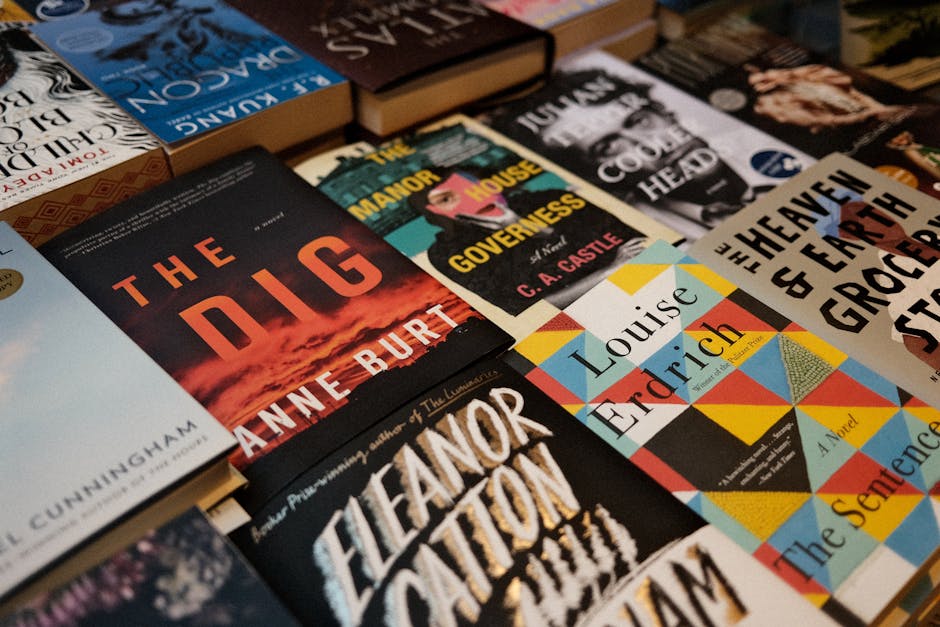
In recent years, digital publishing has transformed the landscape of novel sales. E-books and audiobooks have gained immense popularity, allowing readers to access a vast array of titles at their fingertips. In fact, according to the Association of American Publishers, e-book sales accounted for approximately 20% of the overall book market in 2022. This shift has created opportunities for self-published authors to reach audiences without the constraints of traditional publishing.
Platforms like Amazon Kindle Direct Publishing have democratized the publishing process, empowering writers to share their stories directly with readers. However, this surge in self-publishing has also led to increased competition, making it essential for authors to invest in quality editing and marketing strategies to stand out.
Moreover, the rise of digital platforms has made it easier for niche genres to thrive. For instance, readers with a penchant for Dystopian fiction can now find a plethora of titles that cater specifically to their interests, leading to a more diversified market.
The Role of Social Media in Book Promotion
Social media has become a powerful tool for promoting novels and engaging with potential readers. Authors and publishers utilize platforms like Instagram, Twitter, and TikTok to create buzz around new releases. Bookstagrammers and BookTok creators have emerged as influential voices, often swaying purchasing decisions with their reviews and recommendations.
Statistics show that books promoted through social media platforms often see a significant boost in sales. For example, a recent study indicated that novels featured in TikTok videos increased their sales by over 300%. This phenomenon underscores the importance of a robust online presence for authors looking to capitalize on the digital age.
Furthermore, social media allows for direct interaction between authors and their readership, fostering a sense of community. Readers can provide feedback, share their thoughts, and even participate in virtual book tours, enhancing the overall reading experience.
Understanding the Target Audience
One of the key aspects of successful novel sales is understanding the target audience. Different genres attract different demographics, and knowing who the readers are can significantly impact marketing strategies. For instance, romance novels tend to appeal more to female readers, while thriller enthusiasts may have a more balanced gender ratio.
Market research indicates that millennials and Gen Z readers are more inclined to purchase novels that align with their values, such as diversity and social issues. This trend has led to an increase in the publication of novels that tackle contemporary themes, resonating with younger audiences.
By analyzing reader preferences and buying behaviors, authors and publishers can tailor their marketing efforts to effectively reach their desired audience, ultimately boosting novel sales.
Innovative Marketing Strategies
To stay competitive in the crowded market, authors and publishers are adopting innovative marketing strategies. Book trailers, interactive websites, and virtual reality experiences are becoming more common, providing engaging ways to attract readers.
Moreover, collaborations with influencers and other authors can expand reach and create a buzz around new releases. For instance, hosting joint events or participating in online book festivals can introduce authors to new audiences and generate excitement for their works.
Additionally, the use of targeted ads on social media and search engines allows for precise marketing, ensuring that promotional efforts reach the right audience. Analytics tools can further refine these strategies by providing insights into consumer behavior and preferences.
Conclusion: The Future of Novel Sales
The landscape of novel sales is continuously shifting, driven by technological advancements and changing consumer preferences. As digital publishing continues to grow, authors and publishers must adapt to new realities, leveraging social media and innovative marketing strategies to engage readers effectively.
Understanding the audience and utilizing data-driven approaches will be paramount in navigating the future of novel sales. By embracing these trends and staying attuned to the evolving market, stakeholders in the literary world can thrive in an increasingly competitive environment.