
The world of children’s toys is a vibrant and dynamic industry that reflects cultural shifts, technological advancements, and changing consumer preferences. As parents become increasingly discerning about the products they purchase for their children, the role of toy manufacturers has evolved significantly. This article delves into the various aspects of children toy manufacturing, exploring trends, challenges, and the importance of sustainability in the industry.
Understanding the Market Dynamics
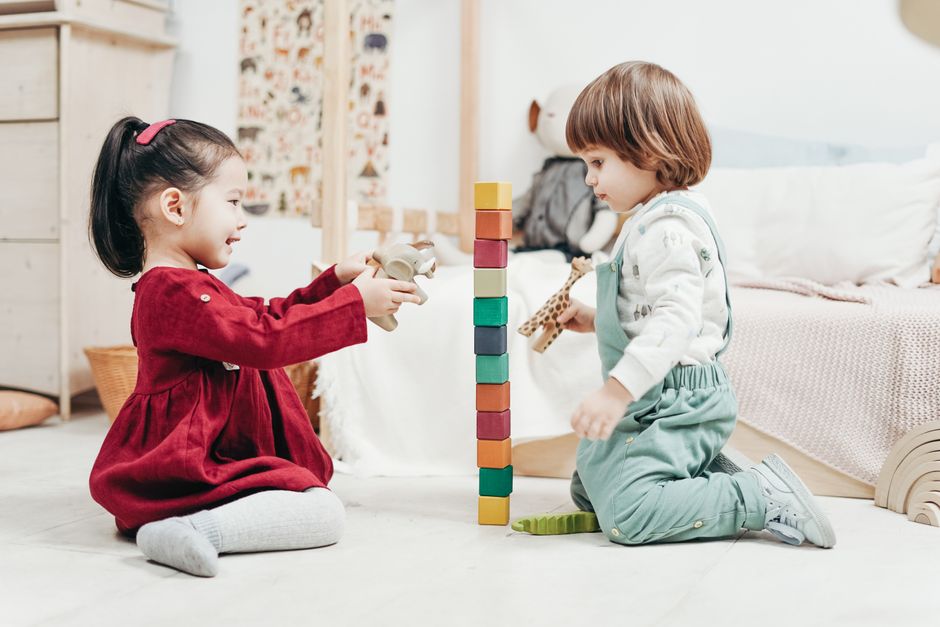
The children toy market is estimated to be worth over $90 billion globally, with a projected annual growth rate of around 4% through the next five years. This growth is fueled by factors such as the rising birth rate in developing countries, the increasing disposable income of families, and the growing popularity of educational toys. Manufacturers are continuously adapting to these changes, developing products that not only entertain but also educate.
Moreover, the expansion of e-commerce platforms has transformed how toys are marketed and sold. Online shopping allows parents to easily access a wider variety of products, often at competitive prices. As a result, traditional retailers are forced to innovate and improve their in-store experiences to retain customers.
Technological Innovations in Toy Manufacturing
In recent years, technology has played a pivotal role in reshaping the children’s toy industry. The integration of augmented reality (AR) and virtual reality (VR) into toys has created interactive experiences that engage children in new ways. For instance, toys that incorporate AR can bring characters to life through a smartphone app, enhancing playtime with digital storytelling.
Additionally, the rise of smart toys that connect to the internet has raised both excitement and concern among parents. While these toys often offer educational content and personalized experiences, they also come with challenges related to privacy and data security. Manufacturers must navigate these issues carefully to maintain consumer trust.
Sustainability in Toy Production
Sustainability has become a critical focus for manufacturers in the toy industry. As environmental awareness increases among consumers, many parents are seeking eco-friendly toys made from sustainable materials. This trend has prompted companies to explore alternatives to traditional plastic, such as biodegradable materials and recycled products.
Incorporating sustainability into the manufacturing process not only appeals to environmentally conscious consumers but also helps companies reduce their carbon footprint. For example, some manufacturers are adopting circular economy principles, where old toys are collected and recycled to create new ones. This approach not only minimizes waste but also promotes a culture of reuse among children.
Challenges Facing Toy Manufacturers
Despite the promising growth prospects, children toy manufacturers face several challenges. One significant issue is the increasing regulatory scrutiny related to safety standards. Toys must comply with stringent safety regulations to prevent hazards, and manufacturers must invest in rigorous testing to ensure their products meet these requirements.
Another challenge is the intense competition within the market. Established brands face pressure from new entrants that often offer innovative and disruptive products. To stay ahead, manufacturers must continuously innovate, not only in terms of product design but also in marketing strategies. Engaging with consumers through social media and influencer partnerships has become essential for building brand loyalty.
The Importance of Collaboration with Educators
Incorporating educational elements into toys is becoming increasingly important. Manufacturers are collaborating with educators and child development experts to create toys that support cognitive and emotional development. These partnerships help ensure that products are not only fun but also beneficial for children’s growth.
For instance, toys that promote STEM (science, technology, engineering, and mathematics) learning are gaining popularity. Manufacturers are designing products that encourage problem-solving and critical thinking skills, preparing children for future challenges. This shift towards educational toys reflects a broader societal recognition of the importance of early childhood education.
Conclusion
The children toy manufacturing industry is at a crossroads, shaped by evolving consumer expectations, technological advancements, and a growing emphasis on sustainability. Manufacturers must remain agile, embracing change and innovation to meet the needs of modern families. As the market continues to grow, the role of companies like children toy manufacturer will be crucial in shaping the future of play, ensuring that toys not only entertain but also educate and inspire the next generation.