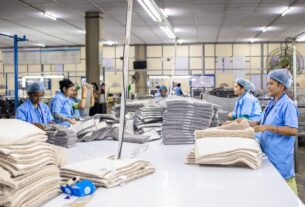
The fashion industry is undergoing a significant transformation, driven by the increasing demand for personalized and unique clothing options. One of the most notable trends in recent years is the rise of private label clothing. This concept, which allows brands to create their own clothing lines without the need for a large-scale manufacturing operation, has opened new doors for entrepreneurs and established retailers alike. In this article, we will delve into the world of private label clothing, exploring its benefits, the process of starting a private label brand, and the future of this burgeoning market.
Understanding Private Label Clothing
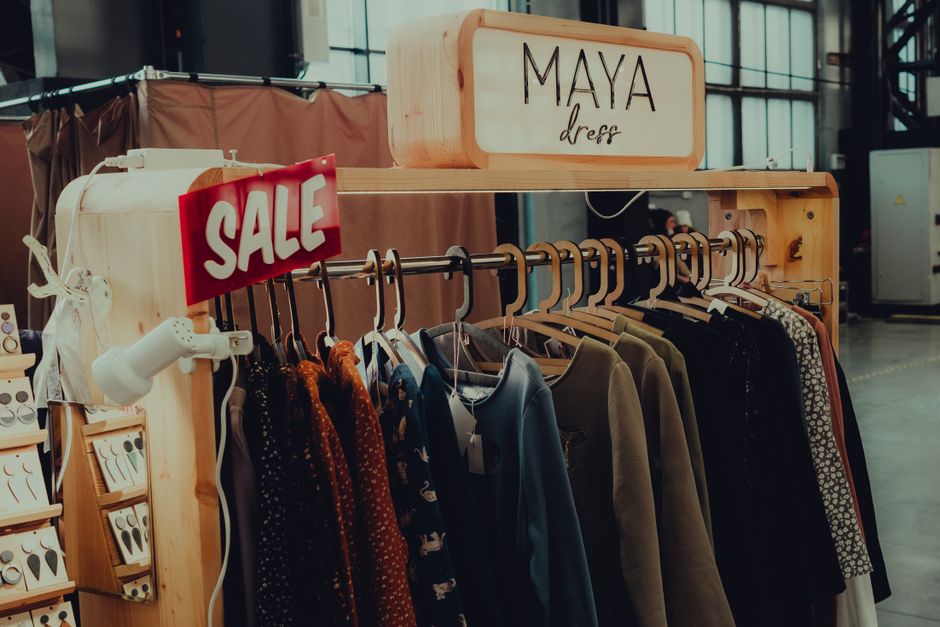
Private label clothing refers to products that are manufactured by one company for sale under another company’s brand. This arrangement allows businesses to offer unique apparel without the overhead costs associated with traditional manufacturing. In essence, a retailer can have clothing designed and produced specifically for their brand, giving them greater control over quality, pricing, and design aesthetics.
One of the main attractions of private label clothing is the potential for higher profit margins. Retailers can set their prices based on their branding and target market, often leading to more lucrative returns compared to selling third-party brands. Furthermore, private label products can foster customer loyalty, as consumers often gravitate towards brands that offer unique and exclusive items.
In an era where consumers increasingly seek authenticity and individuality, private label clothing presents a compelling solution. It allows brands to cater to niche markets by offering specialized products that reflect their identity and values.
Steps to Launching Your Private Label Clothing Brand
Starting a private label clothing line may seem daunting, but by following a structured approach, entrepreneurs can navigate the process effectively. Here are essential steps to consider:
1. **Market Research**: Before diving into production, it’s vital to understand the market landscape. Identify trends, consumer preferences, and potential competitors. This research will inform your product offerings and marketing strategies.
2. **Choose Your Niche**: Specializing in a specific niche can differentiate your brand. Whether it’s eco-friendly apparel, activewear, or fashion-forward streetwear, having a clear focus will appeal to your target audience.
3. **Find a Manufacturer**: Selecting the right manufacturer is crucial. Look for partners who have experience in producing private label clothing and can meet your quality standards. Platforms like private label clothing suppliers can help you connect with reliable manufacturers.
4. **Design Your Collection**: Collaborate with designers to create unique clothing that aligns with your brand identity. Consider factors such as fabric selection, color palettes, and style trends to ensure your collection stands out.
5. **Build Your Brand**: Develop a strong brand presence through effective marketing strategies. Invest in branding elements like logos, packaging, and an engaging online store. Utilize social media and influencer partnerships to reach a wider audience.
The Impact of E-commerce on Private Label Clothing
The growth of e-commerce has significantly influenced the private label clothing sector. With online shopping becoming the norm, brands can reach consumers directly, bypassing traditional retail channels. This shift offers numerous advantages:
1. **Lower Operational Costs**: By selling directly to consumers online, brands can reduce overhead costs associated with physical retail spaces. This allows for more competitive pricing and better profit margins.
2. **Global Reach**: E-commerce enables brands to access a global market. No longer limited by geographic boundaries, private label clothing brands can sell to customers worldwide, expanding their potential customer base.
3. **Data-Driven Insights**: Online retailers can gather valuable data on consumer behavior, preferences, and trends. This information can guide future product development and marketing efforts, ensuring brands remain relevant in a fast-paced industry.
Challenges in the Private Label Clothing Market
While the private label clothing sector offers exciting opportunities, it is not without its challenges. Entrepreneurs must navigate various hurdles to ensure their success:
1. **Quality Control**: Maintaining consistent quality is vital for customer satisfaction. Brands must establish clear quality standards and conduct thorough inspections to avoid potential issues.
2. **Brand Recognition**: Competing against established brands can be daunting. New private label clothing lines must invest in marketing and customer engagement to build brand recognition and loyalty.
3. **Supply Chain Management**: Efficient supply chain management is essential to meet consumer demand. Brands must ensure timely production and delivery while managing inventory effectively.
The Future of Private Label Clothing
As consumer preferences continue to evolve, the future of private label clothing looks promising. With a focus on sustainability and ethical production, brands that prioritize these values are likely to resonate with the modern consumer.
The rise of technology, such as AI and data analytics, will further enhance the capabilities of private label brands. These tools can help streamline operations, optimize marketing strategies, and improve customer engagement.
Ultimately, private label clothing represents a significant shift in the fashion industry, providing opportunities for innovation and creativity. As more entrepreneurs venture into this space, the possibilities for unique and personalized apparel are limitless.
Conclusion
The evolution of private label clothing is reshaping the fashion landscape, offering entrepreneurs a viable path to success. By understanding the market, navigating the challenges, and leveraging e-commerce opportunities, aspiring brand owners can carve their niche in this competitive industry. As consumer demands evolve, those who embrace the private label model are set to thrive in the dynamic world of fashion.