
The world of commercial spaces is rapidly evolving, and with it, the role of a commercial interior designer has become more pivotal than ever. These professionals are not just decorators; they are vital players in shaping environments that enhance productivity, foster creativity, and reflect a brand’s identity. In this article, we will explore the multifaceted responsibilities of commercial interior designers and how their expertise shapes the future of workspaces.
The Importance of Commercial Interior Design
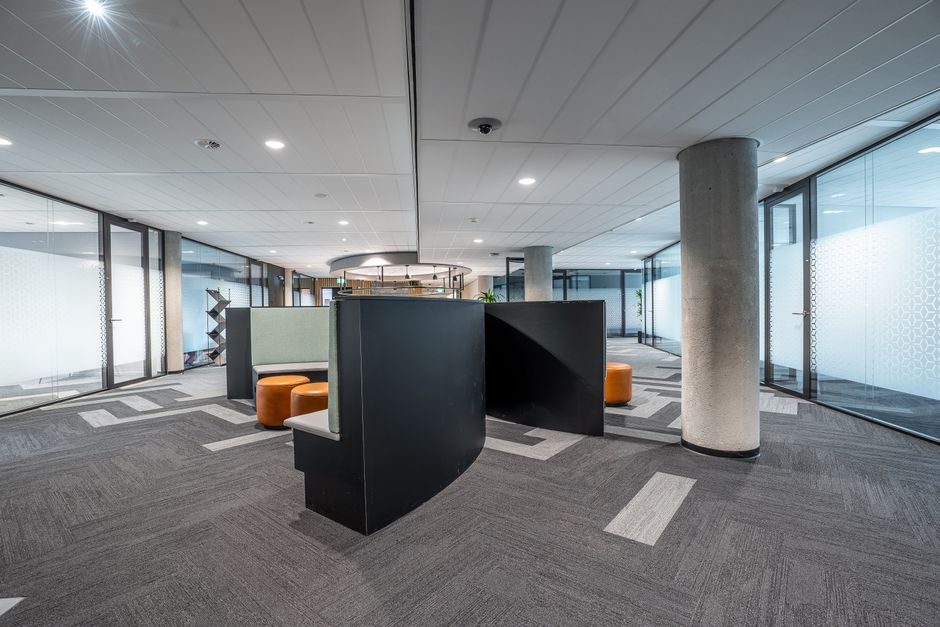
Commercial interior design goes beyond aesthetics; it plays a crucial role in functionality and brand representation. Effective design can significantly impact employee morale and productivity. According to a study by the American Society of Interior Designers, 68% of employees reported that office design affects their productivity. This statistic underscores the importance of hiring a knowledgeable commercial interior designer who understands how to create spaces that not only look good but also work well.
Furthermore, well-designed commercial spaces can enhance customer experience, making them more inviting and engaging. For instance, retail environments that are thoughtfully designed tend to attract more customers and increase sales. The right layout, lighting, and color schemes can create an atmosphere that encourages customers to spend more time—and money—in the space.
Key Skills of a Successful Commercial Interior Designer
To excel in commercial interior design, professionals must possess a unique blend of creative and technical skills. First and foremost, they need a strong aesthetic sense, enabling them to envision and execute designs that align with a brand’s identity. This requires an understanding of color theory, spatial planning, and materials.
Additionally, commercial interior designers must be adept at project management. They often juggle multiple projects at once, coordinating with contractors, suppliers, and clients. Effective communication skills are essential to ensure that all parties are aligned and that projects are delivered on time and within budget.
Moreover, knowledge of building codes and regulations is critical. Designers must ensure that their designs comply with local laws and safety standards, which can vary greatly depending on the location and type of commercial space.
Trends Shaping Commercial Interior Design
As the world adapts to new ways of working, several trends are emerging in commercial interior design. One significant trend is the emphasis on sustainability. Companies are increasingly seeking designs that minimize environmental impact, using eco-friendly materials and energy-efficient systems.
Another trend is the integration of technology into designs. Smart offices equipped with advanced technology not only improve efficiency but also enhance the user experience. Designers are now incorporating elements such as smart lighting, automated climate control, and interactive workstations into their plans.
Flexibility is also becoming a priority in commercial spaces. With more companies adopting hybrid work models, designers are creating adaptable environments that can easily be reconfigured to meet changing needs. This might include movable walls, modular furniture, and collaborative spaces that encourage teamwork.
Case Studies: Successful Commercial Interior Design Projects
To illustrate the impact of skilled commercial interior design, let’s look at a few notable case studies. One example is the redesign of a tech company’s headquarters, which focused on creating an open and collaborative environment. The designer utilized glass walls to enhance visibility and communication among teams, while incorporating biophilic elements such as indoor plants and natural light to improve employee well-being.
Another case is a retail store that underwent a complete transformation to enhance customer engagement. The design emphasized a seamless shopping experience, with clear pathways, inviting displays, and interactive elements that encouraged customers to explore the space. Post-redesign, the store reported a 30% increase in foot traffic and a significant boost in sales.
Conclusion: The Future of Commercial Interior Design
The role of commercial interior designers is crucial in shaping the environments where we work and interact. As trends evolve and new challenges arise, these professionals will continue to play a vital role in creating spaces that are not only functional and beautiful but also reflective of the values and needs of the businesses they serve. Investing in skilled commercial interior design can yield significant returns, making it an essential consideration for any company looking to enhance its workspace.