
In recent years, the luxury fashion market has experienced significant transformations, largely driven by the emergence of luxury brand resellers. These businesses operate in a unique niche, providing consumers with access to high-end products that were previously unattainable due to their steep prices. As sustainability and circular fashion gain traction, luxury brand resellers are becoming essential players in the modern fashion economy.
The Concept of Luxury Brand Reselling
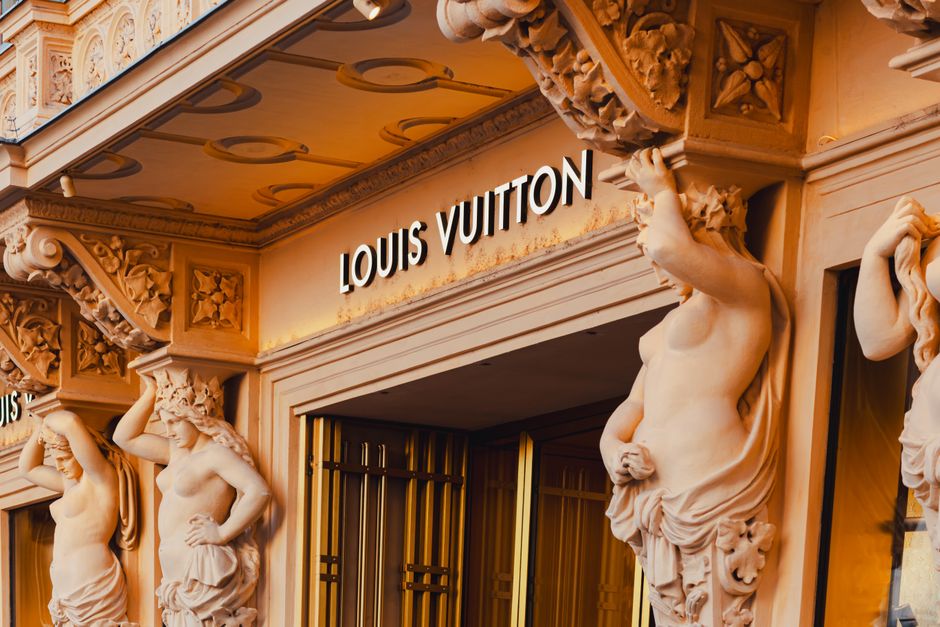
Luxury brand reselling refers to the practice of purchasing high-end goods and then reselling them, often at a markup. This business model capitalizes on the brand’s prestige while making luxury products more accessible to a broader audience. Resellers often source items from various channels, including personal collections, estate sales, or directly from consumers looking to sell their unused luxury goods.
The growth of this market can be attributed to several factors, including the increasing popularity of second-hand shopping among younger consumers and a rising awareness of sustainability. According to a report by ThredUp, the second-hand market is projected to reach $64 billion by 2024, indicating a significant shift in consumer behavior.
Key Players in the Luxury Resale Market
Several platforms have emerged as leaders in the luxury resale market. Websites such as The RealReal, Poshmark, and Vestiaire Collective have built substantial consumer bases by offering authenticated luxury items and a seamless shopping experience. These platforms not only provide a marketplace for resellers but also educate consumers on how to authenticate luxury goods, ensuring buyers can shop with confidence.
For example, The RealReal boasts a rigorous authentication process, where items are inspected by trained experts before being listed for sale. This level of assurance is crucial for maintaining trust in the luxury resale market, particularly as counterfeit goods become increasingly sophisticated.
The Benefits of Buying from Luxury Brand Resellers
Purchasing from luxury brand resellers offers numerous benefits to consumers. Firstly, it allows buyers to acquire high-end items at a fraction of their original price. For instance, a designer handbag that retails for $3,000 might be found on a reseller platform for $1,500, making luxury fashion more attainable.
Moreover, buying from resellers contributes to a more sustainable fashion economy. By choosing to purchase second-hand items, consumers actively participate in reducing waste and minimizing the environmental impact of fast fashion. This aligns with the growing desire among consumers, especially millennials and Gen Z, to make more environmentally conscious purchasing decisions.
Challenges Facing Luxury Brand Resellers
Despite the growth potential, luxury brand resellers face several challenges. The most significant hurdle is the issue of counterfeit goods. As the resale market expands, so does the risk of counterfeit items flooding the market. Resellers must invest in robust authentication processes to protect their reputation and ensure customer satisfaction.
Additionally, the luxury market is highly competitive. With many players entering the space, resellers must differentiate themselves through exceptional customer service, unique inventory, and effective marketing strategies. Building a loyal customer base is essential for long-term success in this industry.
The Future of Luxury Brand Reselling
The future of luxury brand reselling looks promising as consumer trends continue to favor sustainability and accessibility. As more individuals become aware of the benefits of second-hand shopping, luxury brand resellers are likely to thrive. According to Bain & Company, the luxury resale market could grow by 15% annually over the next five years, highlighting the shift in consumer preferences.
Moreover, collaborations between luxury brands and resale platforms are becoming more common. Some luxury brands are even launching their own resale initiatives, recognizing the importance of tapping into the second-hand market. For instance, luxury fashion house Stella McCartney has launched a program allowing customers to resell their pre-owned items directly through the brand’s website.
Conclusion
In conclusion, the rise of luxury brand resellers signifies a profound change in the fashion industry. By making luxury goods more accessible and promoting sustainability, these resellers are reshaping the way consumers approach high-end fashion. As the market evolves, it will be fascinating to observe how luxury brand resellers continue to adapt and thrive in this dynamic landscape. For those interested in exploring this exciting market, consider checking out a reputable luxury brand reseller to discover the potential of owning luxurious items at a fraction of the original price.