
In the ever-evolving fashion industry, finding the right custom clothing manufacturer can make or break a brand. As businesses strive to stand out in a crowded market, the importance of quality, customization, and reliability in manufacturing has never been more critical. This article delves into the essential aspects of working with custom clothing manufacturers, offering insights into how to choose the right partner for your brand.
Understanding Custom Clothing Manufacturing
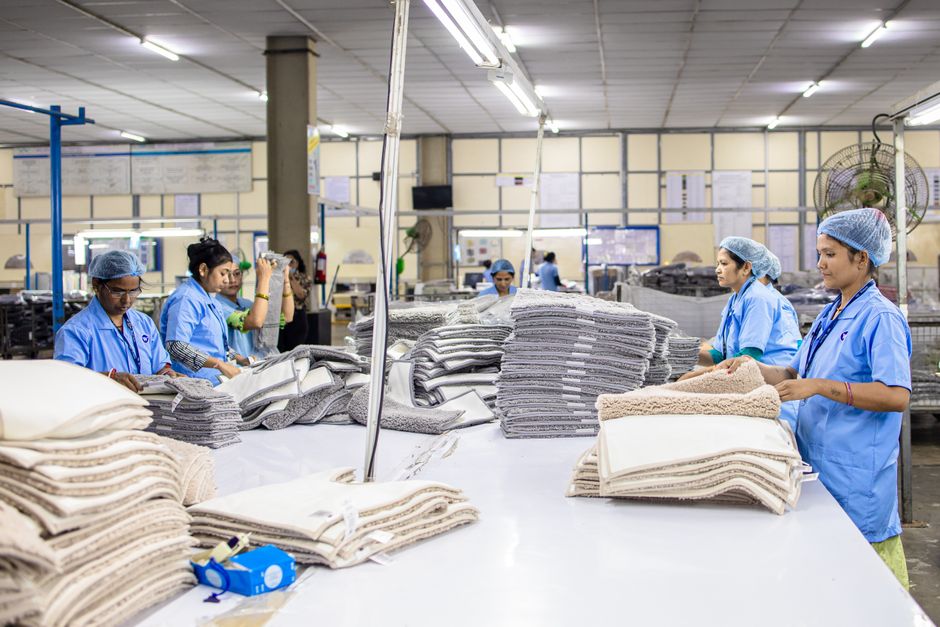
Custom clothing manufacturing encompasses a wide range of services that allow brands to create unique apparel tailored to their specifications. This process can include everything from selecting fabrics and colors to designing patterns and sizes. By collaborating with a custom clothing manufacturer, brands can ensure that their vision comes to life with precision and quality.
Moreover, custom clothing manufacturers can cater to various niches within the fashion industry, enabling brands to target specific demographics effectively. Whether it’s streetwear, activewear, or sustainable fashion, a skilled manufacturer can provide the necessary expertise to navigate the complexities of each segment.
Key Factors to Consider When Choosing a Manufacturer
When selecting a custom clothing manufacturer, several critical factors should be taken into account. Firstly, the manufacturer’s experience and expertise in the specific type of clothing you wish to produce are paramount. Look for manufacturers who have a proven track record in your niche and can provide examples of their previous work.
Secondly, consider the minimum order quantities (MOQs) they require. Some manufacturers may have high MOQs, which could be a barrier for smaller brands or startups. On the other hand, manufacturers who offer flexible MOQs can be a better fit for emerging businesses looking to test the waters.
Finally, communication and responsiveness are vital. A manufacturer who is easy to communicate with and promptly addresses your concerns can significantly streamline the production process and lead to a more successful partnership.
The Importance of Quality Control
Quality control is a crucial aspect of custom clothing manufacturing. It ensures that each garment meets the brand’s standards and maintains consistency across production runs. Many manufacturers implement rigorous quality control measures, including fabric testing, stitching inspections, and final product evaluations.
For brands, establishing clear quality expectations and conducting regular audits of the manufacturing process can help mitigate potential issues. Investing in quality control not only enhances the brand’s reputation but also leads to greater customer satisfaction and loyalty.
Additionally, many manufacturers are now incorporating technology into their quality control processes, such as using automated systems to detect defects and ensure that each piece produced aligns with the specified requirements.
Leveraging Technology in Custom Clothing Manufacturing
As the fashion industry continues to embrace technology, custom clothing manufacturers are also adopting innovative solutions to streamline their operations. 3D design software, for instance, allows brands to visualize their designs in real-time, making it easier to identify potential issues before production begins.
Moreover, many manufacturers are utilizing digital printing techniques, which can significantly reduce lead times and costs associated with traditional printing methods. This advancement enables brands to produce smaller batch sizes without sacrificing quality or detail.
By leveraging these technologies, brands can not only enhance their design capabilities but also respond more rapidly to market trends and consumer demands.
Building a Long-Term Partnership
Establishing a long-term partnership with a custom clothing manufacturer can offer numerous advantages, including better pricing, improved communication, and a deeper understanding of each other’s business needs. Brands that invest the time to build strong relationships with their manufacturers often see better results in terms of product quality and delivery times.
To foster this partnership, regular communication is essential. Schedule periodic check-ins, share feedback on products, and discuss upcoming projects to keep everyone aligned. A collaborative approach can lead to innovative solutions and a more streamlined production process.
Furthermore, understanding the manufacturer’s capabilities and limitations can help brands set realistic expectations and avoid potential pitfalls down the line.
Conclusion
In conclusion, working with a custom clothing manufacturer is a crucial step for brands looking to create unique and high-quality apparel. By understanding the manufacturing process, considering key factors when choosing a manufacturer, emphasizing quality control, leveraging technology, and building strong partnerships, brands can successfully navigate the complexities of custom clothing production. As the fashion industry continues to evolve, those who prioritize these elements will be better positioned to succeed in a competitive market.